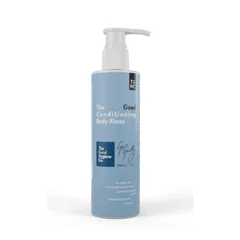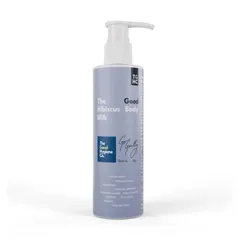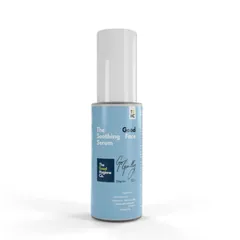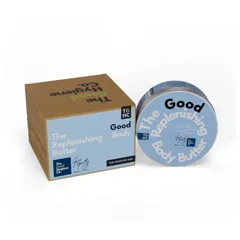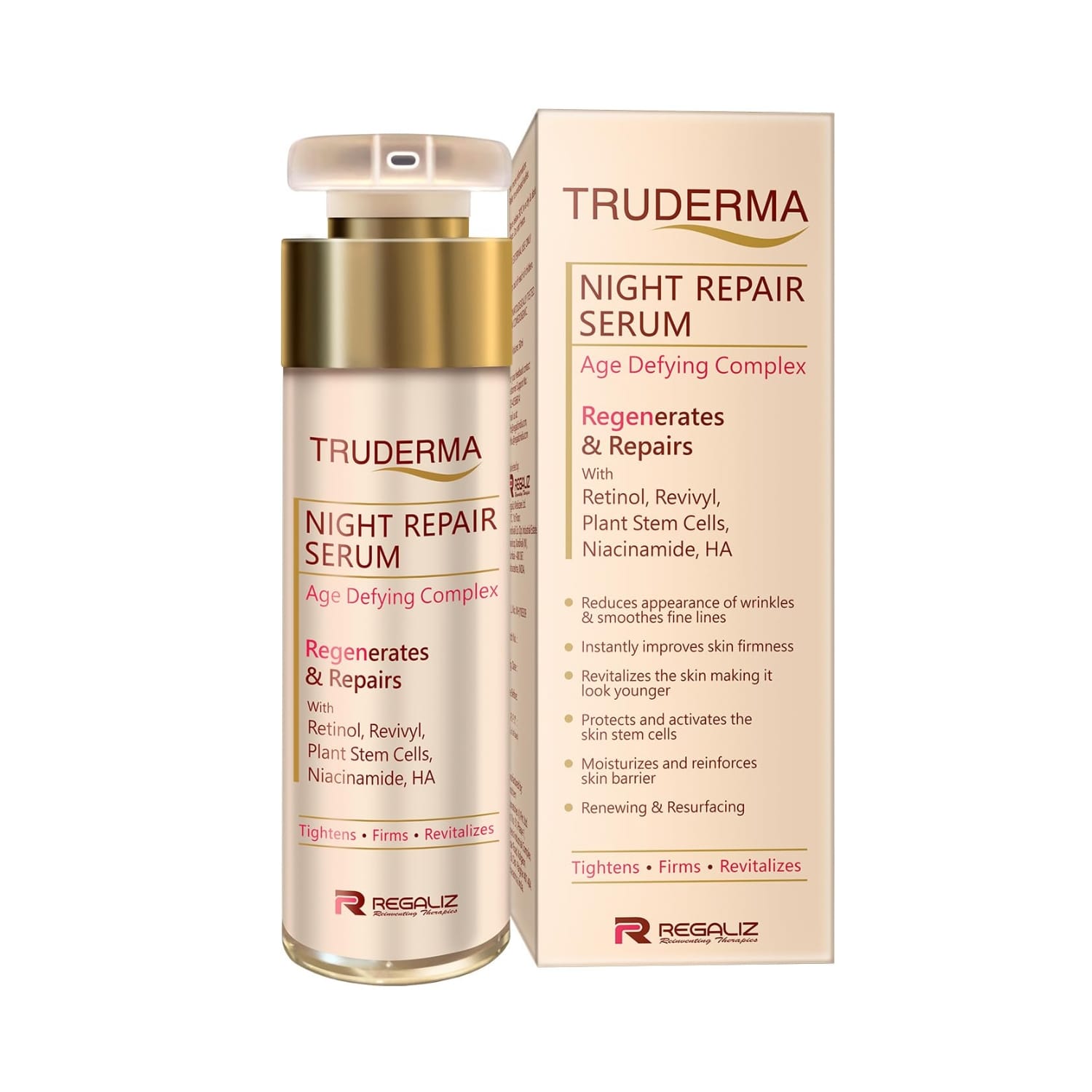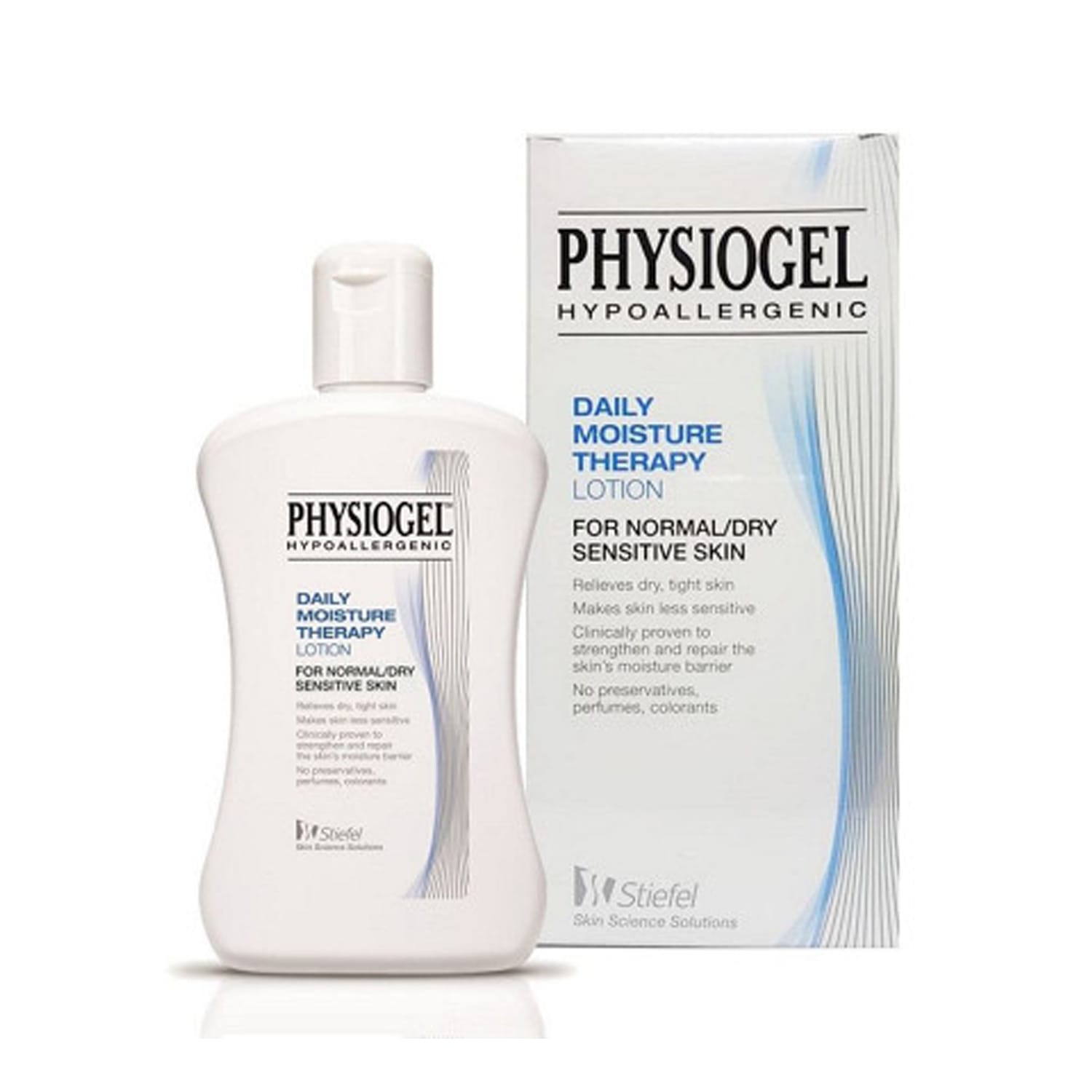



Not the same skincare products and routine suit all. Skincare products and routines vary significantly depending on individual needs and preferences. Whatever may be the routine, the one product that no one tends to omit is “moisturizer.” Non-comedogenic moisturizers act as a barrier and protect skin from the external outer environment and aid in offering soft, supple, and hydrated skin. Sometimes even moisturizer can do more harm than good to your skin if you are unaware of choosing and using it. In skin care, there is always a thin line between hurting and caring for the skin. Look into all aspects while choosing a moisturizer, and focus on avoiding toxic skincare ingredients.
Unknowingly, many of us are using the wrong moisturizer in the wrong way. Especially in India, our skin is highly prone to pollution and different climatic conditions, and it makes skin more sensitive. In that case, using non-comedogenic moisturizer is ideal. A moisturizer for sensitive skin and a non-comedogenic moisturizer always keep skin hydrated without clogging the pores, weakening the skin barrier, or aggravating acne.
Say “Big No” to the Following Ingredients
Formaldehyde
It may act as a carcinogen and have potential impacts like causing allergies, some long-term health issues, and skin irritation. Non-comedogenic moisturizers should not include formaldehyde in them.
Fragrances
Both synthetic and natural fragrances are considered to be toxic skin care ingredients that may be prone to increasing skin sensitivity, inflammation, skin irritation, rashes, and redness.
Alcohol
Alcohol in moisturizer can cause dryness, irritation, affect the skin’s natural barrier, and cause redness, enlarged pores, and breakouts.
Parabens
Parabens can help to increase the shelf life of skin care products but can cause skin irritation, imbalance the skin pH level, disrupt hormones, and have a high chance of raising the potential risk of skin and breast cancer.
Phthalates
Phthalates can act as endocrine disruptors, causing issues in development and affecting reproductive health.
Sulfates
Sulfates have an ability to remove the natural oil from the skin, make skin feel irritated and dry, and affect the skin’s natural barrier.
Oxybenzone
Oxybenzone in moisturizer can help protect skin from UV rays, but it can cause hormone imbalances.
Polyethylene Glycol (PEGs)
PEGs have humectant and emulsifying properties and are most commonly used in moisturizers. PEGs contain 1,4-dioxane and ethylene oxide, which are found to have carcinogenic risks and cause skin irritation, and also the process of making PEGs contributes to pollution.
Mineral Oil
Mineral oil is prone to acne, as it clogs pores and disrupts the natural elimination of toxins from the skin.
Petrolatum
Petrolatum has the property to reduce water loss by 99% [1], but it may have polycyclic aromatic hydrocarbons (PAHs), which are considered to be strong carcinogens.
Phenoxyethanol
Phenoxyethanol can be used in many skin care products to increase their shelf life. Phenoxyethanol in moisturizers causes skin irritations and allergies and affects the health of pregnant women.
Misleading in the Name of Nature
People easily trust the product when it includes the name “natural.” But in reality, not all the natural ingredients are effective or needed in skin care. Quite often, we see some moisturizers misleading the customers by saying that they have used the natural extracts of aloe vera, oat kernel, or other natural ingredients. Though these ingredients do good for skin, their efficiency as a moisturizer is very limited.
Aloe vera (Aloe barbadensis) has anti-inflammatory properties, and it effectively helps with wound healing and burns, but in moisturizer, its role is not up to the mark [2].
Oatmeal is good to calm inflamed skin and can be more effective when used in bath formulations, but it does not act as a good moisturizing agent.
Allantoin is mostly derived synthetically, and it has a high soothing effect on skin, but there is no potent evidence to prove it as a skin hydrator.
These kinds of ingredients are often used for marketing appeal but aren’t found to have clinical efficacy. A non-comedogenic moisturizer doesn’t focus on feel-good additions; rather, it should concentrate on functional and clinically proven components.
Key Ingredients in Moisturizer
Humectants like glycerine, hyaluronic acid, and urea generally attract moisture.
Emollients like shea butter and ceramides help to provide soft and smooth skin.
Occlusives like lanolin, beeswax and avoid using unpurified petrolatum and helps in preventing water loss.
Moisturizer with niacinamide helps control oil, and salicylic acid helps with mild exfoliation.
Things to be Known While Using Moisturizers
Wrong Choice of Moisturizer
Oily/acne-prone skin should avoid using oil-based and heavy moisturizers. People with sensitive skin should look into the ingredients and select wisely, as it may cause more harm to skin.
Overuse of Moisturizer
Using moisturizer frequently and applying a greater amount of moisturizer leads to skin breakouts, clogs pores, overwhelms skin, and leaves skin with a greasy look.
Formation of Milia
Usage of heavy moisturizers on the face can cause milia. Milia are tiny white bumps that form when dead skin cells get trapped.
Interference with Natural Processes
Over using moisturizers can affect the natural ability to produce oil in the skin and retain moisture.
Tips to Choose a Moisturizer
People with dry skin can use rich, creamy emollients or ointments as moisturizers. Moisturizer for oily skin should be light, lotion- or gel-based, and oil-free.
Go for a moisturizer that has SPF 30 or above.
Always do a patch test (preferably on hands) before using it on your face.
Whatever the moisturizer may be, use it in moderation.
If you’re confused or unaware about all the insights of the moisturizer, kindly consult a dermatologist and follow their guidelines.
Take Away
It is your primary duty to confirm that the moisturizer is free from toxic skincare ingredients. Don’t get trapped with marketing gimmicks. Read the labels and look into the ingredients, and it is always safe to use dermatologist-approved non-comedogenic moisturizers that are formulated without toxic skincare ingredients. Remember and make sure that your moisturizer should help with healing rather than hurting. An effective skincare routine needs good skincare products that are made using natural ingredients. Using non-comedogenic moisturizer makes skin protected and free from dryness, skin irritation, breakouts, wrinkles, and dullness. Use an expertly formulated moisturizer for better results and to give your skin a life.
References
Moisturizer in Patients with Inflammatory Skin Diseases – https://pmc.ncbi.nlm.nih.gov/articles/PMC9315586/#sec3-medicina-58-00888
Moisturizers: The Slippery Road (https://pmc.ncbi.nlm.nih.gov/articles/PMC4885180/#sec1-7)