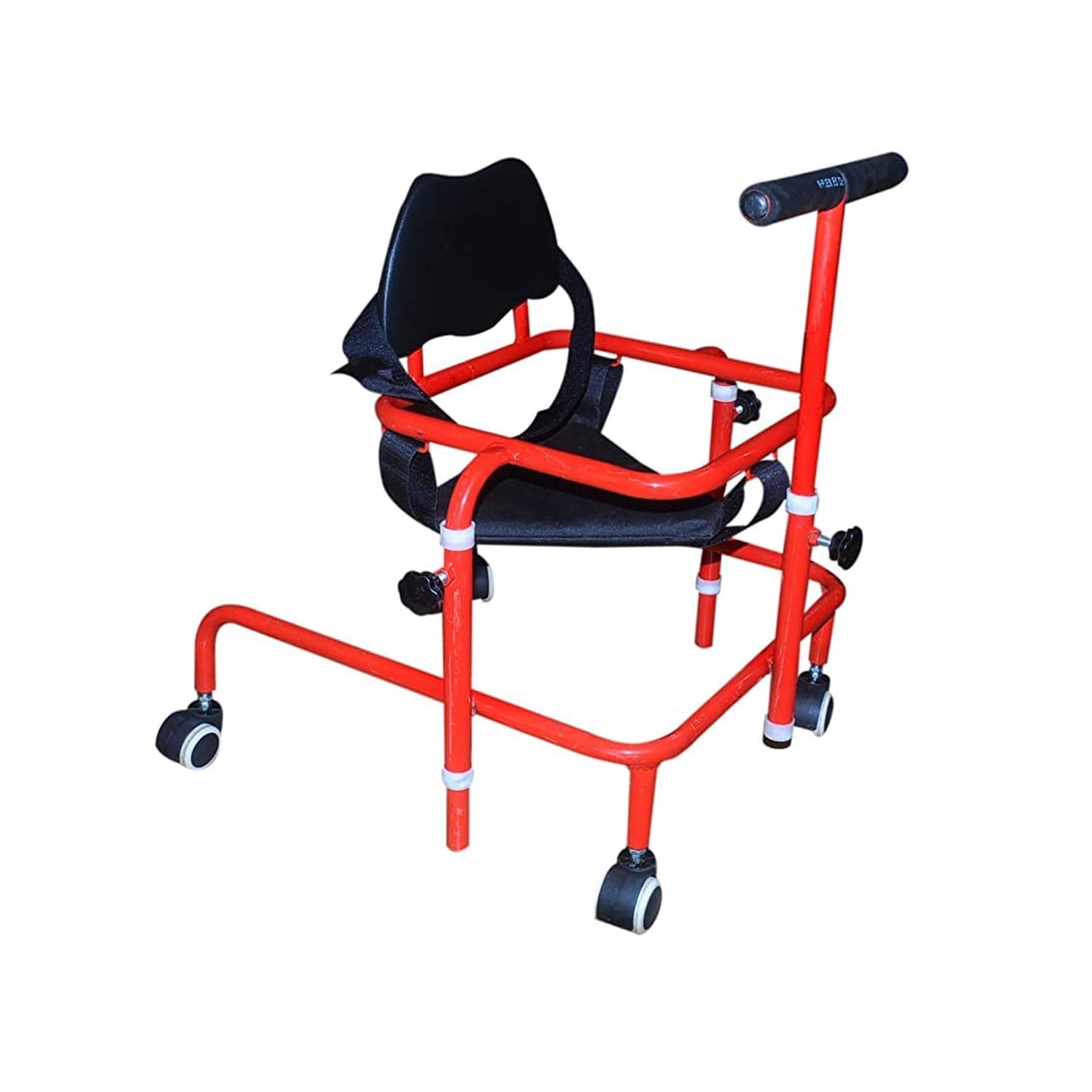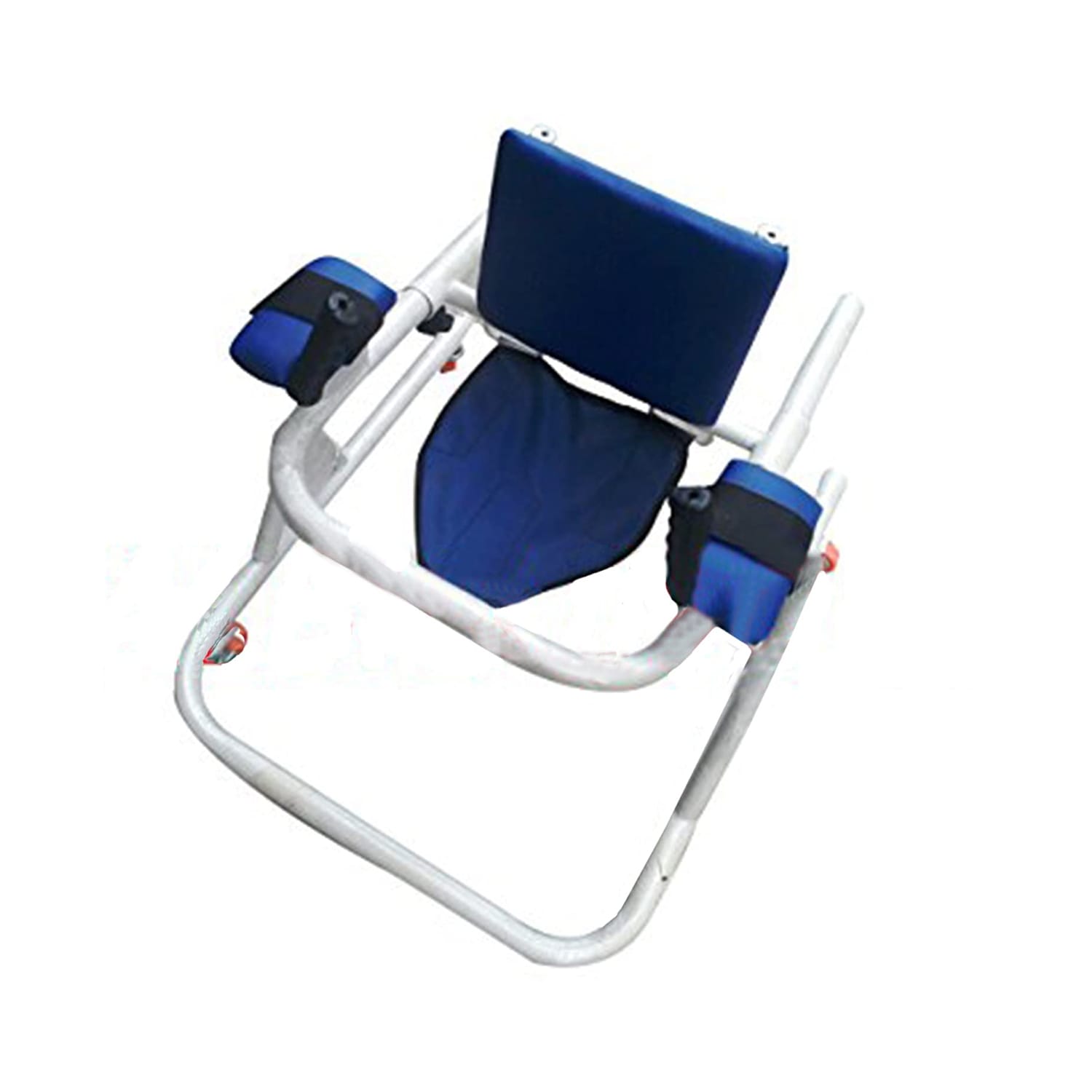


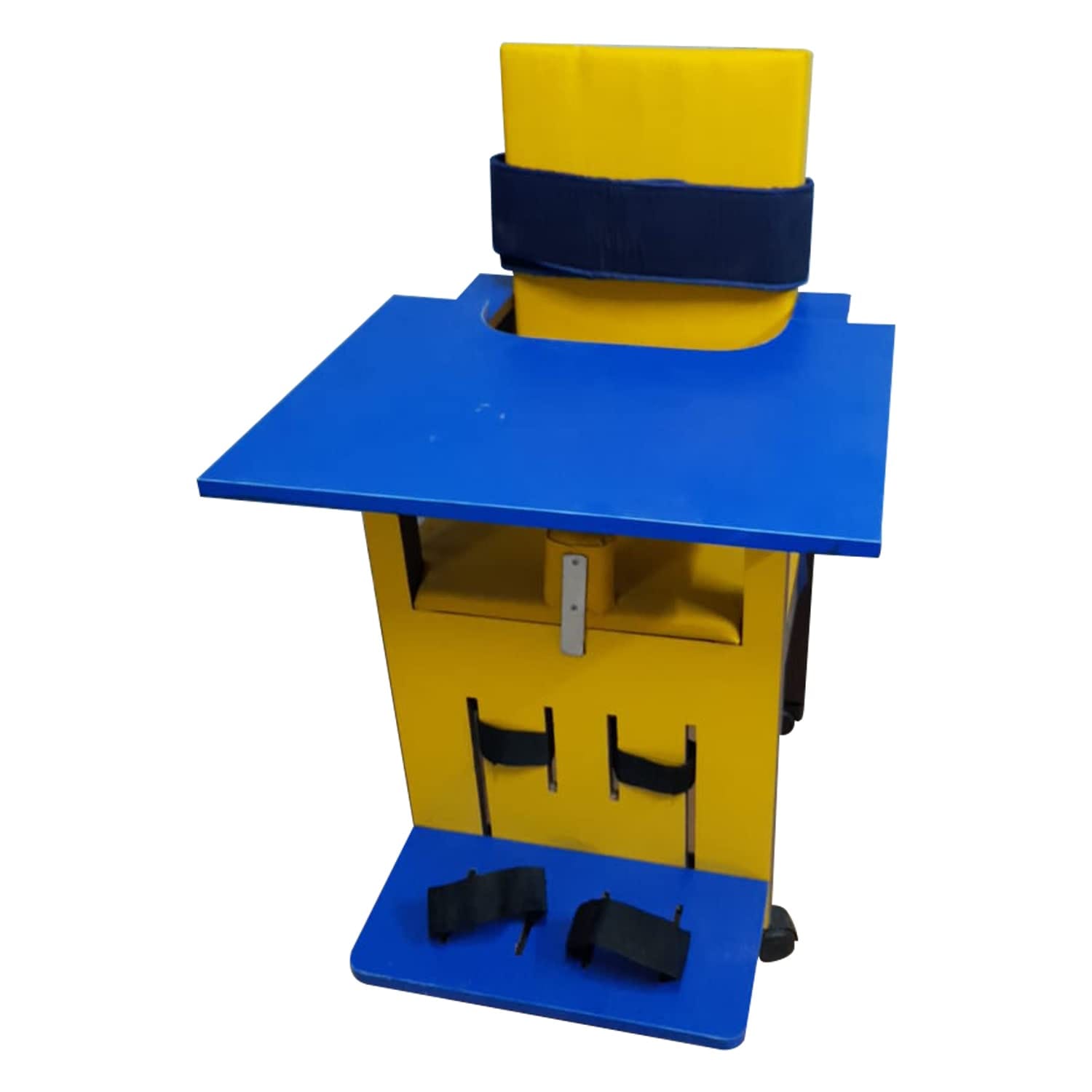
Albio CP Chair for Children with Cerebral Palsy – Wooden Chair with Sliding Activity Table
Albio
4.3 ★ (6)
₹22,17612% off₹25,200

Albio
4.3 ★ (6)
Albio
4.7 ★ (13)
Albio
4.3 ★ (9)
Albio
4.6 ★ (5)
Albio
4.9 ★ (7)
Albio
4.6 ★ (7)
Albio
4.7 ★ (9)
Albio
4.5 ★ (8)
Albio
4.6 ★ (5)
Albio
4.5 ★ (8)
Albio
4.0 ★ (13)
Albio
4.8 ★ (8)
Albio
4.8 ★ (5)
Albio
5.0 ★ (5)
Albio
4.5 ★ (6)
Albio
4.9 ★ (8)
Albio
4.7 ★ (7)
Albio
4.9 ★ (7)
Cerebral palsy aids are mobility and positioning equipment made to support children and adults with cerebral palsy, helping with walking, standing, sitting, and everyday movement based on what each person needs. The right mix of aids can really improve independence and comfort in daily life.
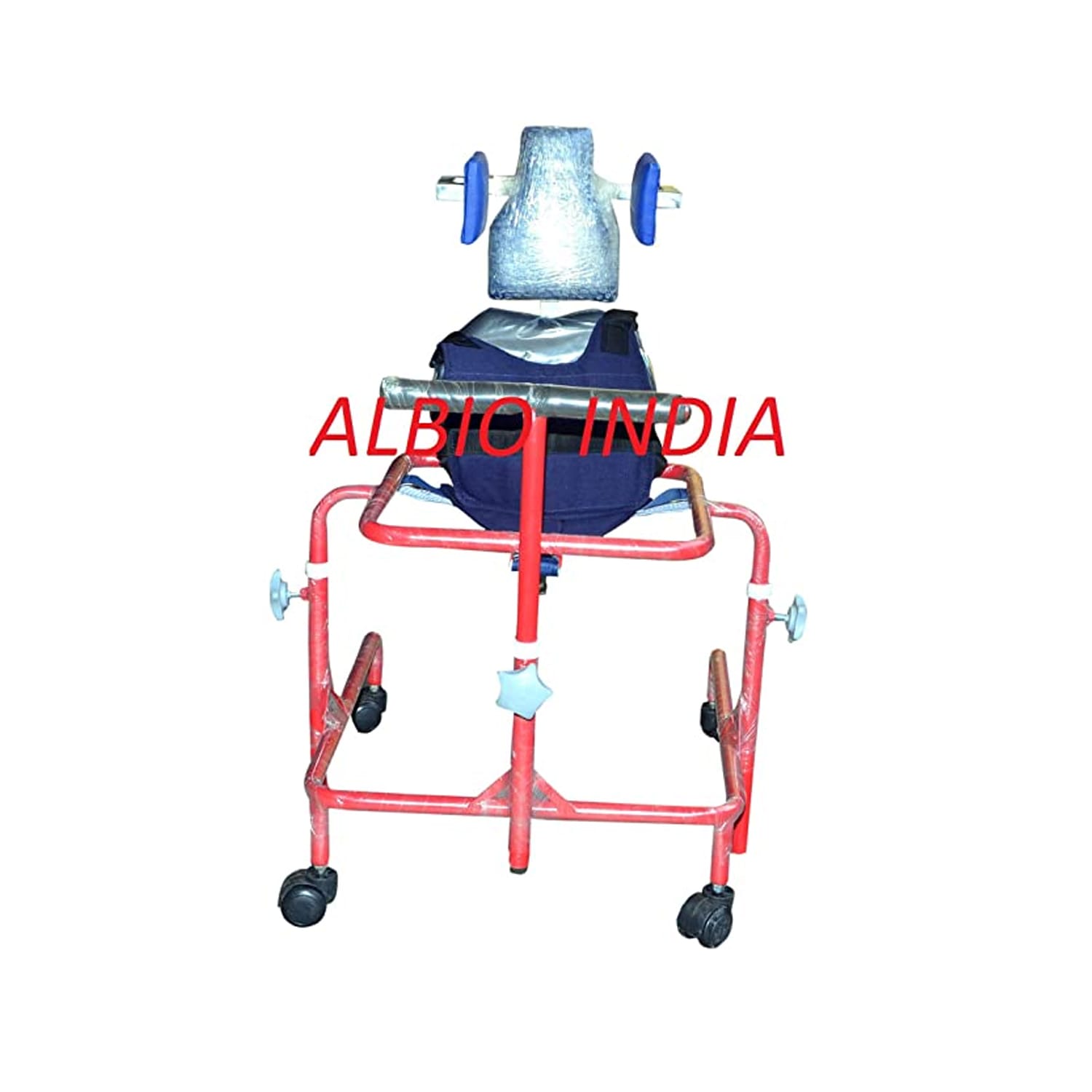
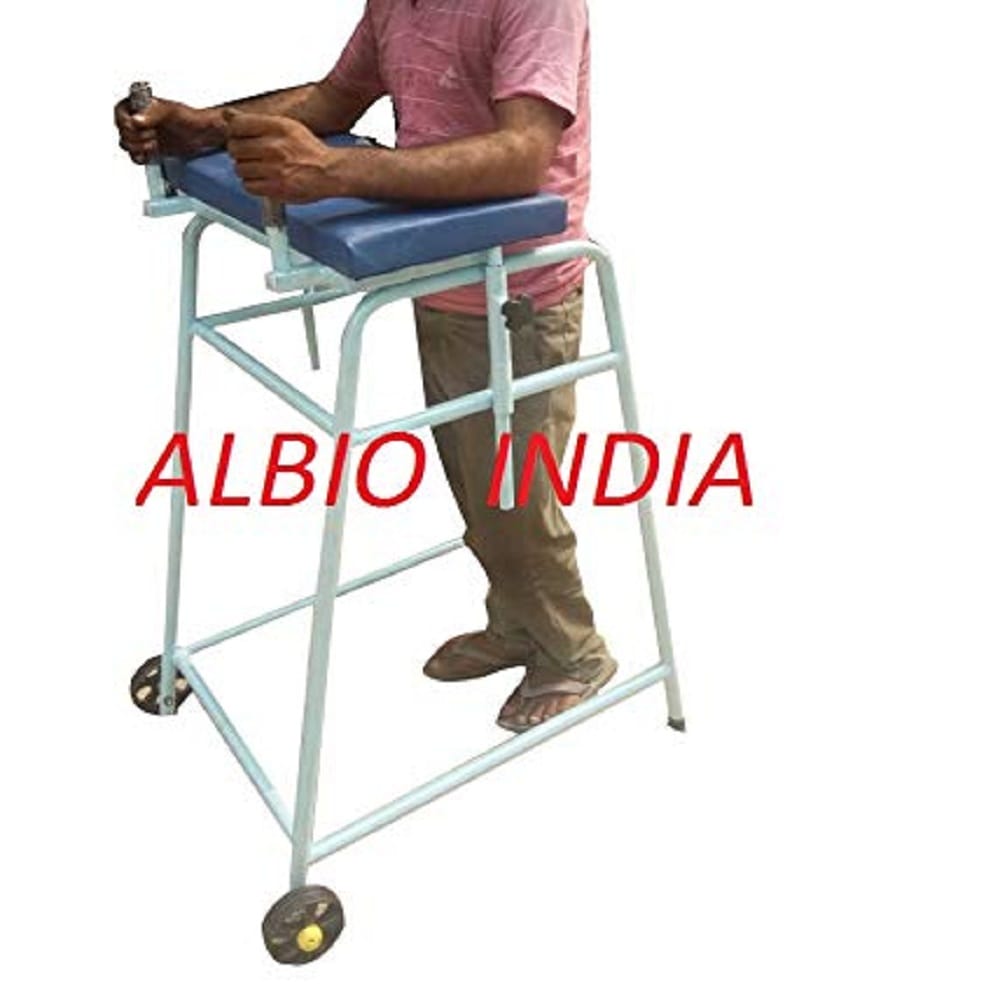
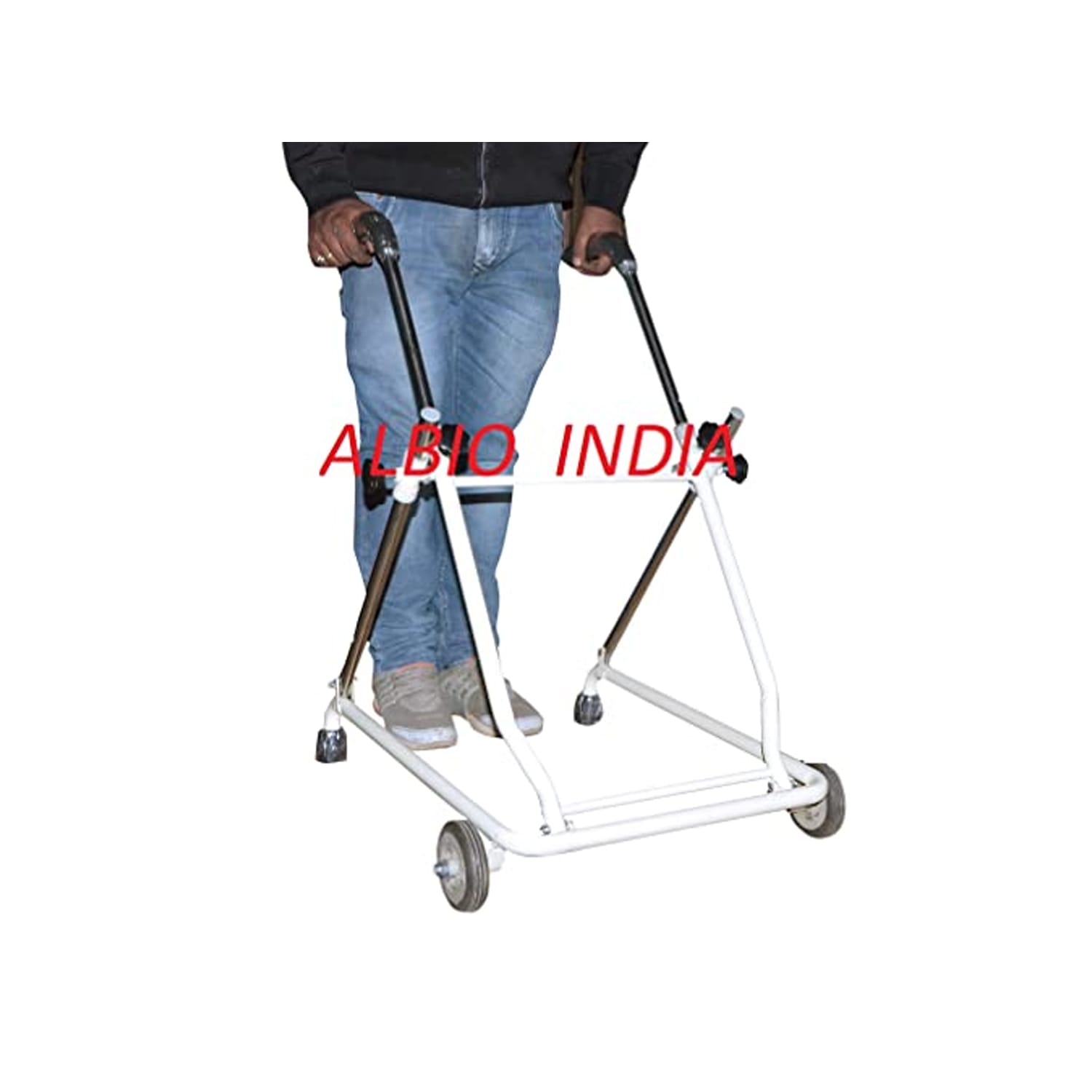
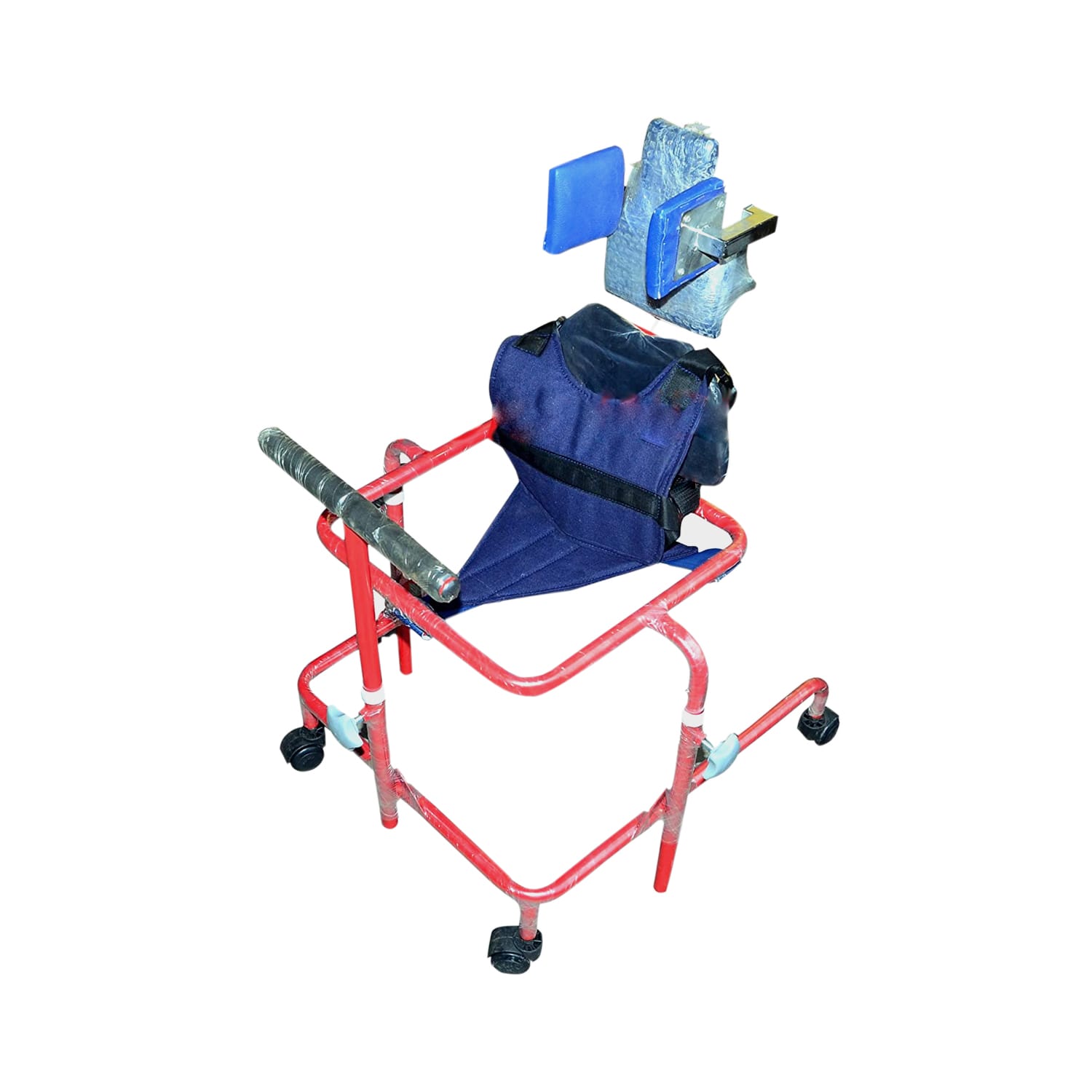
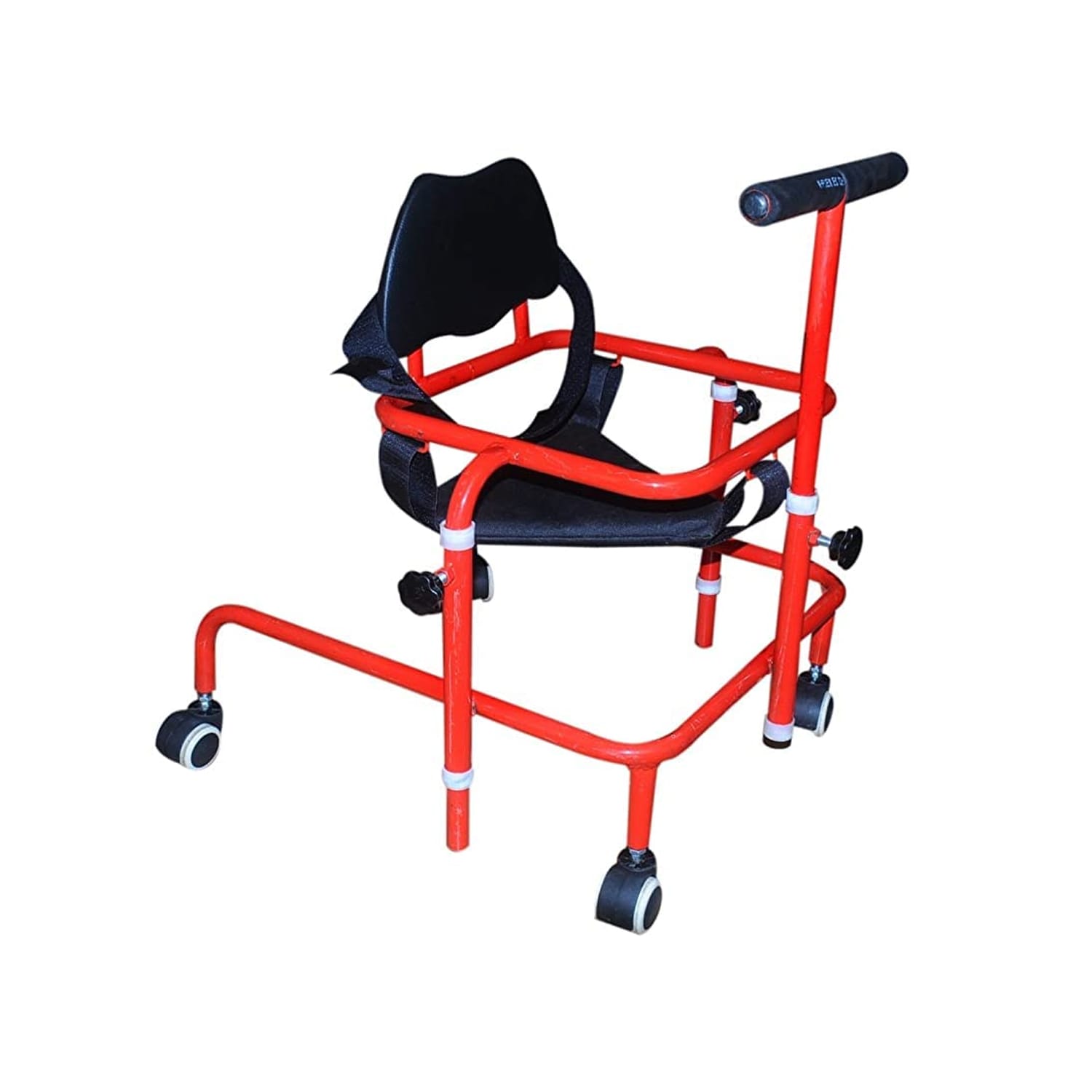
Support frames built to help with walking for children or adults dealing with balance and coordination challenges.
Wheeled versions that make moving forward easier while still giving support during walking practice.
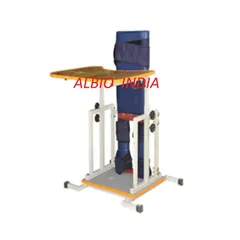
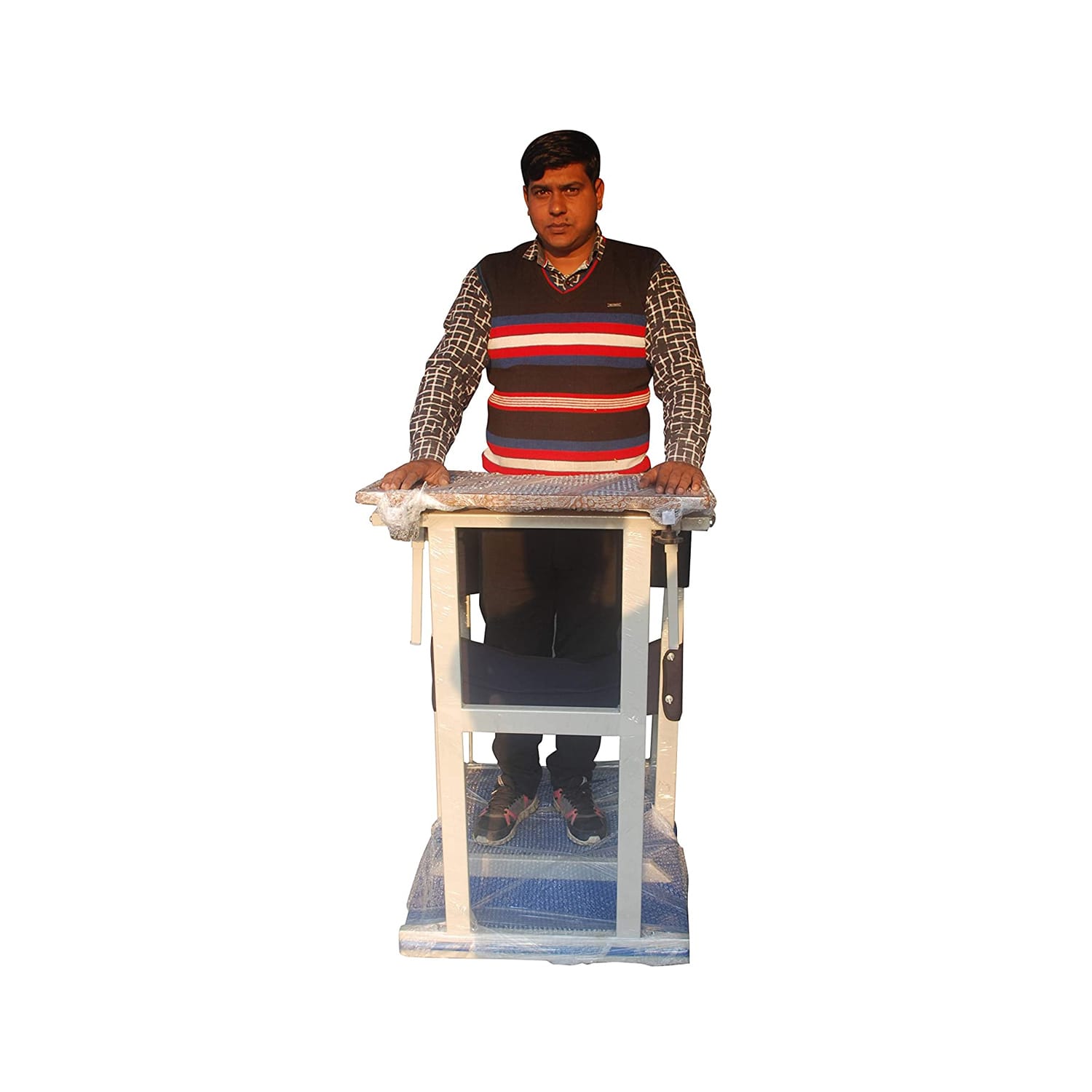
Equipment that supports a safe, upright standing position for users who can't stand on their own.
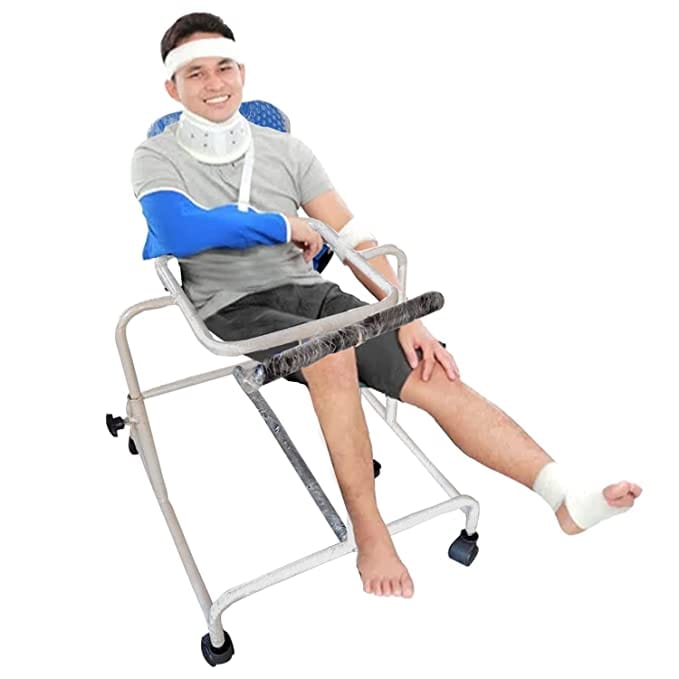
Positioning chairs that support posture during seated activities and daily routines.
Equipment made to support early movement and crawling for infants with cerebral palsy.
Smaller frames with body and chest support, sized for a child's build and developmental stage.
Bigger, sturdier frames built for adult body weight and height, following the same supportive design ideas.
Give extra stability for users who need more than just basic hand support while walking.
Support upright positioning for children who can't yet stand unaided, which helps with bone and muscle development.
Larger frames built to support adult body weight during regular standing sessions.
Combine seated and standing support in one piece of equipment, useful for flexible daily use.
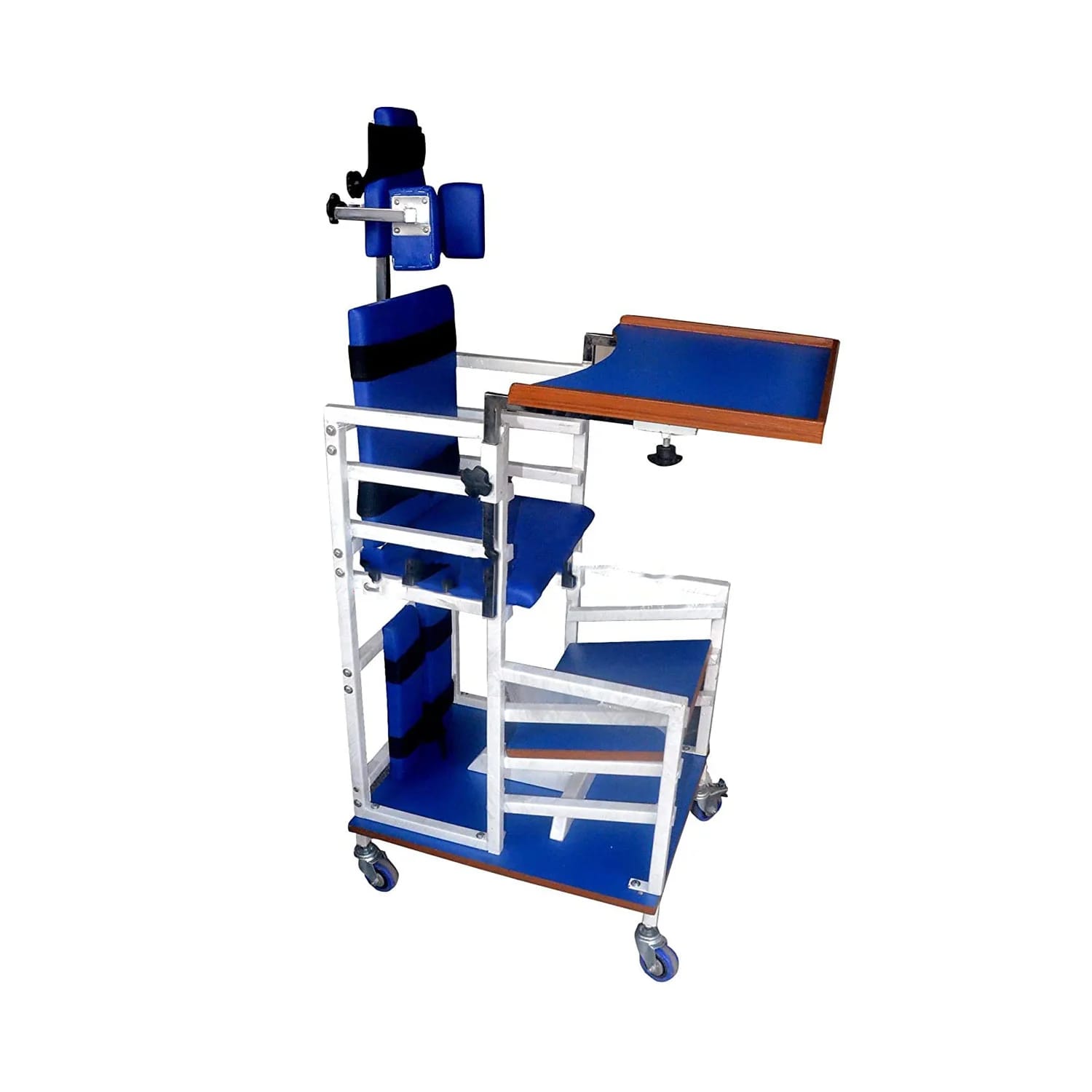
Come with a tray or table so activities can happen while the user is supported in a standing position.
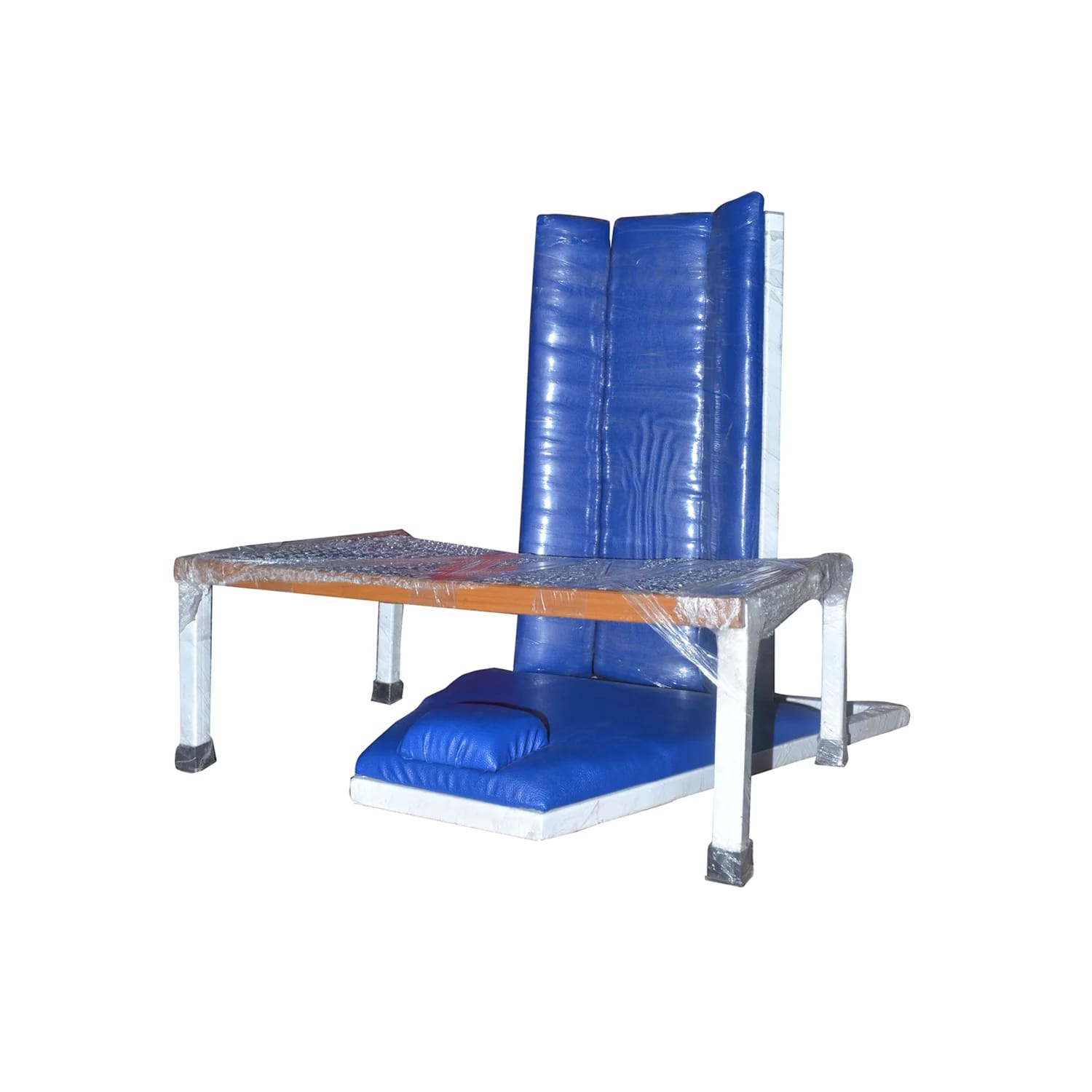
Give seated positioning support, often used early on to encourage proper posture.
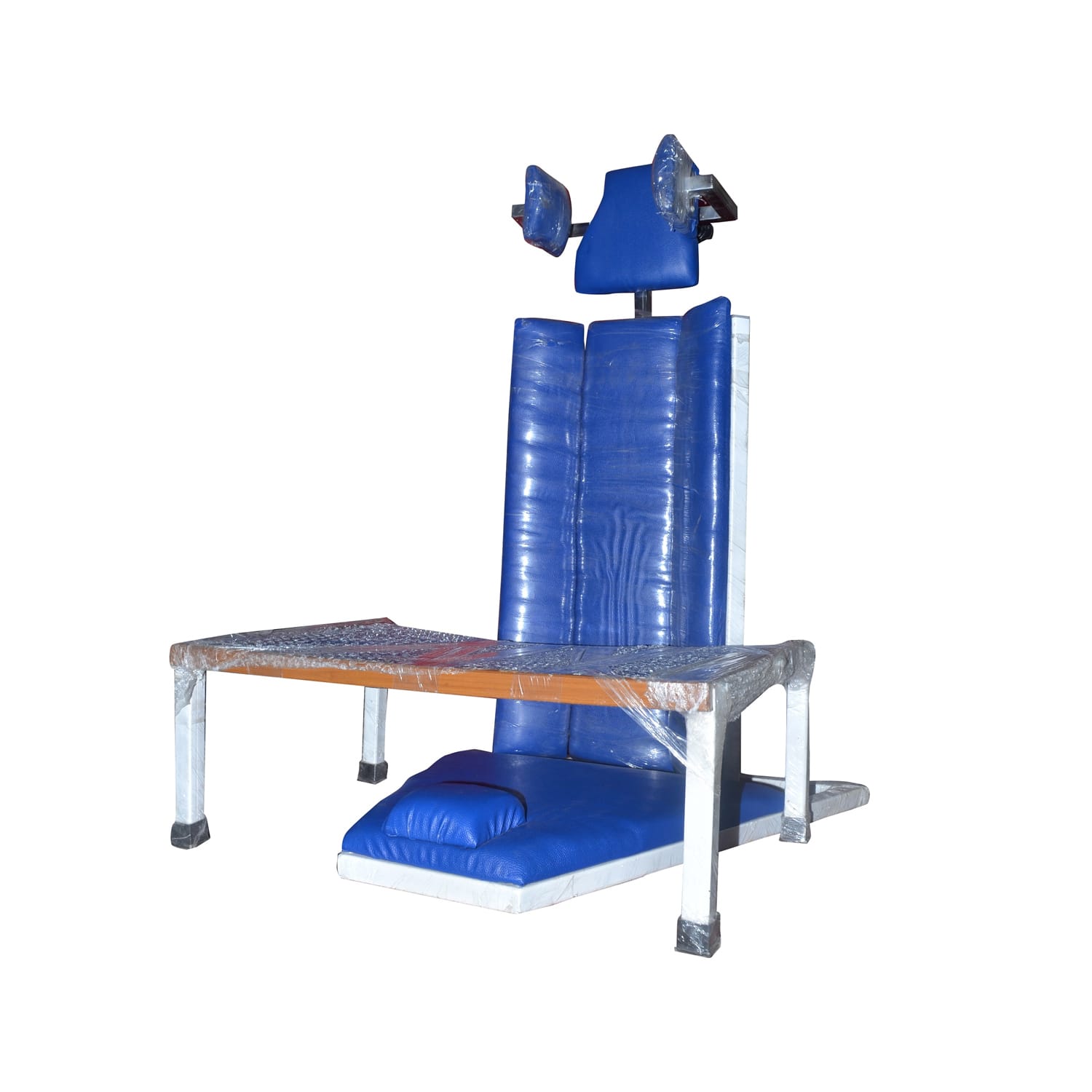
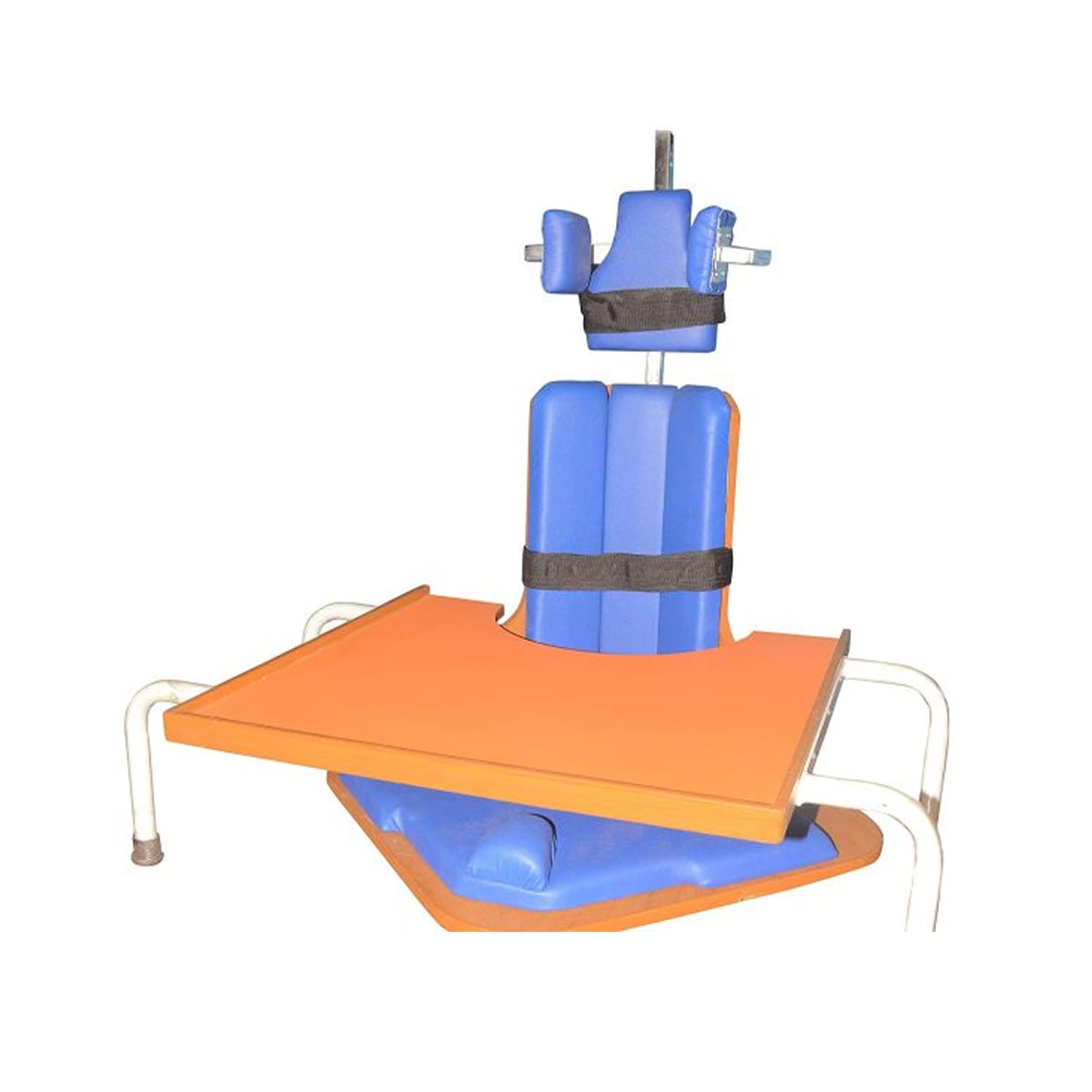
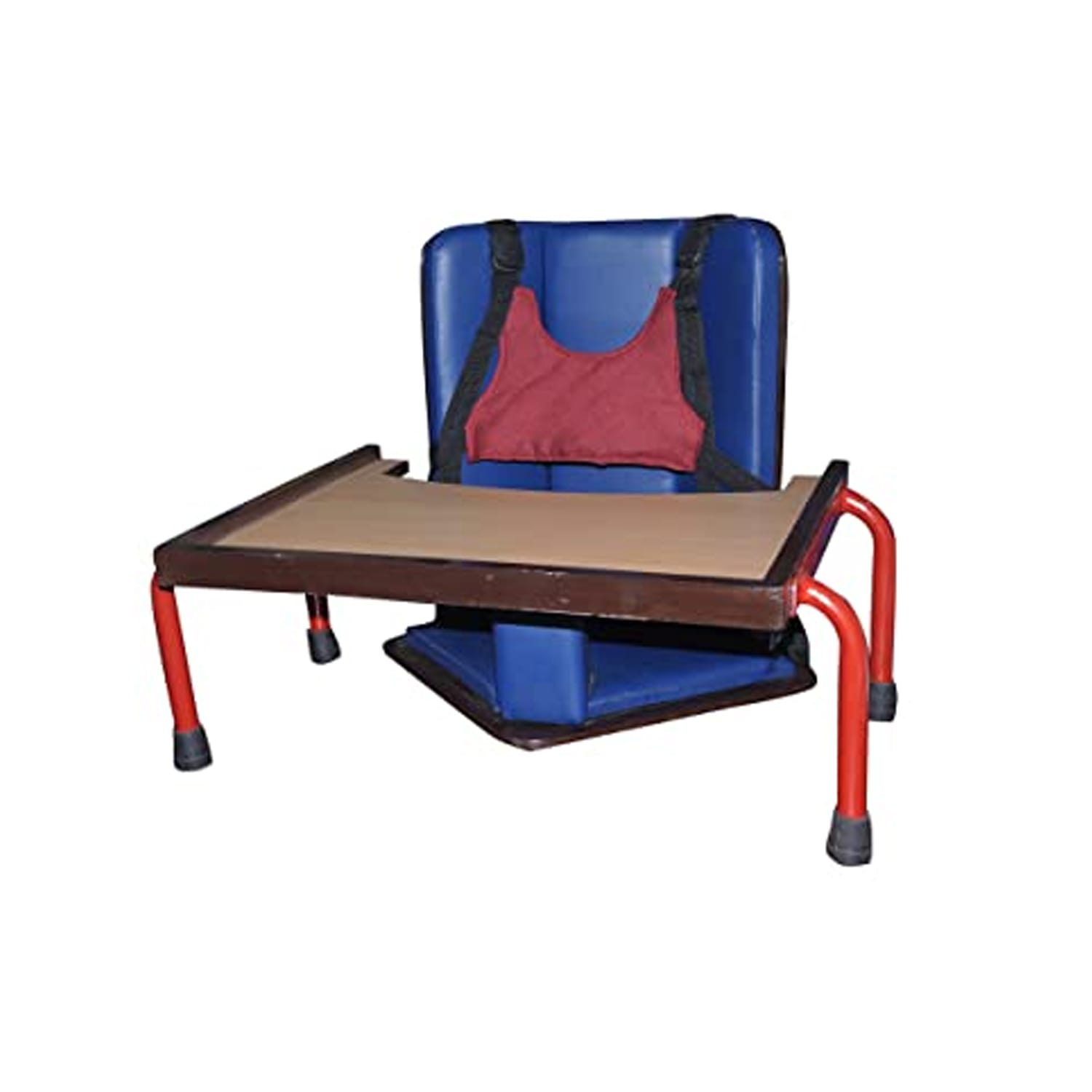
Combine seating support with a table for feeding, play, or learning activities through the day.
Offer extra support for users who need help holding posture in specific areas of the body.
Match the equipment to the user's current height and weight for a fit that's actually supportive.
Think about what level of head, chest, or thigh support the user needs based on their specific condition.
Adjustable equipment can grow with the user, which matters a lot for children who'll need the aid for years.
Decide whether the aid needs to move between rooms or stay put, depending on the daily routine.
Walking and mobility needs are usually best supported by a CP walker, standing support calls for a standing frame, and seated positioning needs suit a CP chair or corner chair. Assisted movement for children often benefits from a walker, while positioning support for infants usually comes from a baby crawler.
Children's equipment tends to be smaller, lighter, and often adjustable to allow for growth, while adult equipment is built with a higher weight capacity and bigger dimensions to match adult body size and support needs.
Confirm the equipment matches the user's current measurements before finalising a purchase.
Check the maximum supported weight against the user's body weight so daily use stays safe.
Adjustable features add value over the long run, especially for growing children who'll use the equipment for years.
Look for secure straps, padding, and a stable base that suits the individual's support needs.
Confirm the detailed specs and warranty coverage before buying this kind of specialised equipment.
Set up and adjust equipment based on guidance from a physiotherapist or treating doctor, check straps and wheels regularly, and clean surfaces routinely to keep everything safe and hygienic. Since cerebral palsy affects each person differently, choosing and adjusting equipment works best alongside professional guidance from someone familiar with that person's specific condition and goals.
When buying online, check product specifications, sizing charts, and weight capacity carefully, and look for genuine brands with reliable delivery and after-sales support, given how specialised this equipment is.
Type: CP Walker
Key difference: Supports walking practice
Best suited for: Users developing mobility
Type: Standing Frame
Key difference: Supports upright standing
Best suited for: Users needing standing support
Type: CP Chair/Corner Chair
Key difference: Supports seated positioning
Best suited for: Seated activities and posture