Bed Sores
Medically Reviewed By:
Dr. Hema Sathish M.B.B.S., D.D(UK)
Dermatologist, Founder of Cureka
Bed sores are gaining a lot of attention because human average age of longevity has increased and averages about 69.66 years in India as per the studies done in 2019. It is of significance in today’s time and age due to our aging population and the increase in the elderly living with disability.
Bed sores are called pressure sores/ decubitus ulcer as it occurs due to pressure applied for a prolonged period of time over certain area causing distortion and damage.
Common Areas of Occurrence
These wounds or ulcers develop on the skin due to increased pressure on the skin, especially in areas where there is bony prominence under the skin- eg heel, ankle bines, buttock region, shoulder blade, back of head to name a few. Usually in people who are not mobile due to varied reasons.
How the Bed Sores Develop
When skin is put under physical pressure for long there is lesser blood supply to the pressurised area leading to loss of nutrition and oxygen. Compression prevents lymph fluid drainage too, all these factors put together contributes to pressure ulcer development. The skin eventually gives way leading to ulcers and later to dead tissue formation if not handled with care.
Causes of Bed Sores
The cause of these pressure sores are prolonged immobilisation in bed(bed sores), pressure due to tight ,ill-fitting plasters/ shoes, nerve problems( diabetic neuropathy),loss of sensation, poor nutrition, aging skin, incontinence( loss of control over urine and/or stools), poor general health and poor mental health.
Influencing Factors
There are few factors which can influence the occurrence of the ulcers. To mention some which is on the list are diabetes, smoking, malnutrition, immunosuppression, vascular diseases, spinal cord injuries.
Grading of Bed Sores/ Pressure Ulcers
The pressure ulcers are graded to the depth of the ulcer from grade 1 to grade 4.
Grade 1 being redness over the skin.
Grade 2 is where ulcers only confined to the skin are seen.
Grade 3 the ulcers are very deep affecting the fat layers of the skin.
Grade 4 the ulcers goes deeper into the bone, joints or muscles.
Treatment
Treatment would depend on the grade of the pressure sore, however it is important to find the cause of the ulcer and remove the cause. Treatment includes cleaning and dressing, in grade 1 and 2, surgical cleaning and dressing of the wound. Skin graft and flaps in grade 3 and 4. There are newer techniques of healing wounds including lasers, Hyperbaric oxygen therapy, and specialised dressings.
Prevention is Better Than Cure
The most important aspect of pressure sore is prevention. The pressure causing factor has to be removed or altered. If it is a plaster adequate padding should be given over the bony points, if it is due to diabetic foot, soft material should be used for the innersole and pressure points have to be relieved.
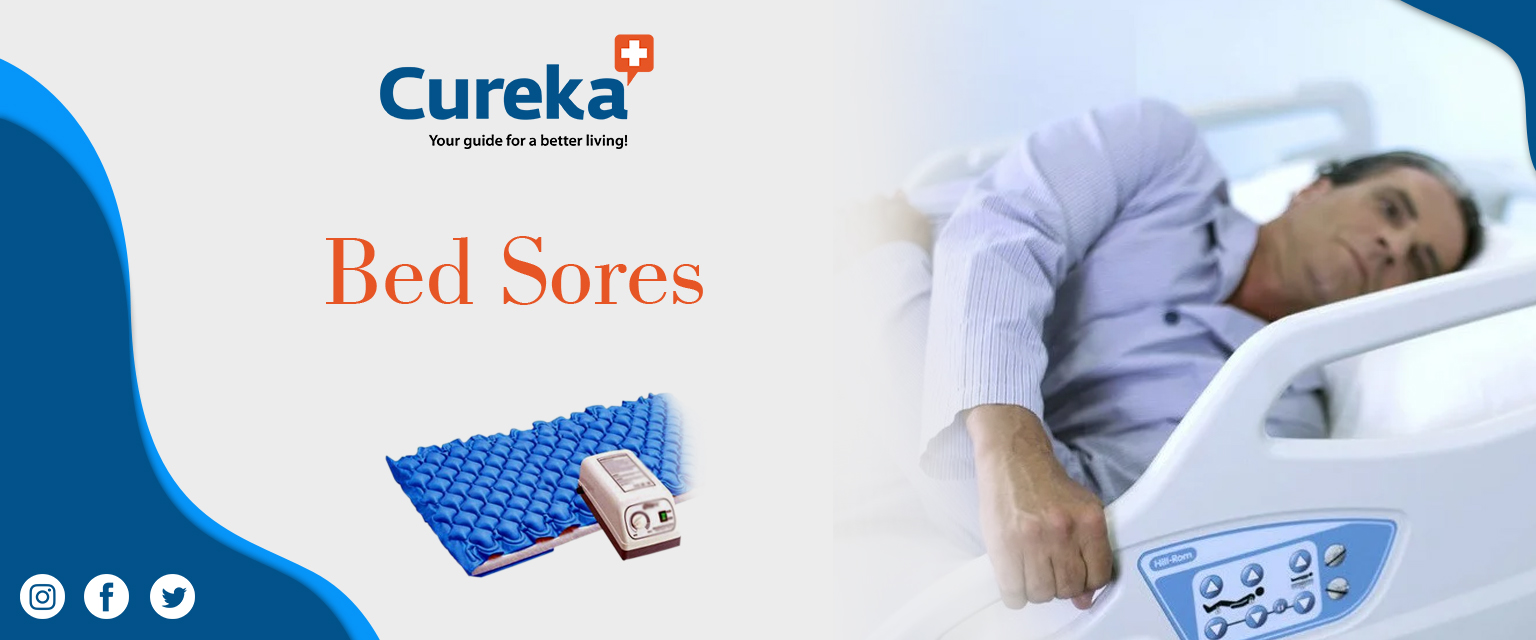
In case of a immobile person (lying in bed all the time), efforts must be made to make them mobile and ambulate soon. If not possible then, prevention of bed sore must be done by regularly changing lying position of the person to sides, prone and supine. The quality of the mattress is important in preventing bed sores. Commercially, water beds, air beds and pressure relieving devices (ring cushion, silicon gels, silicon seats) are available.
For pressure sores in the buttock region, frequent change of position, ring cushions and air beds which have alternate inflation and deflation ridges controlled by electronic circuits, are ideal.
Air bed prevent pressure by constantly changing pressure points and alternately distribute pressure.
Waterbeds though popular are not useful as they work only when the person moves by himself / herself in bed.
Silicon gel sheets can be placed on the wheelchair for wheelchair mobile patients. Low protein levels due to poor nutrition is yet another cause of the pressure sore. Hence, protein supplements are also necessary to prevent pressure sore as well as in treatment too.
FAQs
1. When do bed sores turn black and what does that mean?
When skin over the bony points turns black it means that there is no blood supply to the skin and the sore will heal if the black dead skin is removed. Sometimes infections on the open pressure sores can turn black especially if it is from a fungal infection. So one has to be aware of the colour changes.
2. Do pressure ulcers bleed? Why?
Pressure ulcers or bed sores can bleed if the infection erodes into blood vessels, bones or muscles.
3. Why do pressure ulcers itch?
Itching is common in pressure sores as the bodies healing tendency. During the healing process a lot of chemical mediators are released in blood, which helps in healing but causes the itching sensation.
4. What are bed sores and why are they becoming more common?
Bed sores (pressure ulcers) are skin injuries caused by prolonged pressure, increasingly common due to aging population and reduced mobility.They mainly affect elderly individuals, especially those living with disability or limited movement.
5. How do bed sores develop and where do they commonly occur?
They develop due to reduced blood supply, oxygen, and lymph drainage in pressure areas, leading to tissue damage and ulcers. Common areas include heels, ankles, buttocks, shoulder blades, and the back of the head.
6. What causes bed sores and what factors increase the risk?
Bed sores are caused by prolonged pressure, immobility, poor nutrition, and conditions like diabetes or vascular disease. Risk factors include aging, smoking, nerve damage, incontinence, and poor overall health.
7. How are bed sores treated and prevented?
Treatment depends on severity, ranging from cleaning and dressing to surgery, skin grafts, and advanced therapies. Prevention includes relieving pressure, repositioning regularly, using air beds or cushions, and maintaining good nutrition.
8. When do bed sores turn black and what does it indicate?
Bed sores turn black when there is no blood supply or due to infection, indicating dead tissue that may need removal. Color changes can also signal complications like fungal infection.
Treating pressure sores are not impossible! But a challenge. Prevention is the best though. It is a challenge to medical practitioners and more so for people providing home care for their loved ones. You should be aware of problems and consequences. This article aims to help you prevent and help one to seek help before the scenario gets bad.