


What Causes Hernia? Obesity, Smoking & Hidden Risks | Dr. Sethukannan, Hernia Specialist Surgeon

What Causes Hernia? Obesity, Smoking & Hidden Risks | Dr. Sethukannan, Hernia Specialist Surgeon

Table of Content:

  • Types of Hernia
  • Most common cause of Hernia
  • Divarication of Recti
  • When Does a Hernia Require Medical Evaluation?
  • Inguinal Hernia: Why Timely Treatment Matters
  • Hernia Belts
  • Common Risk Factors for Hernia and How to Avoid Them
  • The Role of Family History in Hernia Risk
  • How to Protect Yourself from Hernia with a Family History
  • Mild Hernia Signs: When to Monitor and When to Act
  • Why Hernias Come Back and How to Avoid Recurrence
  • Role of Hernia Belts and Supports
  • Hernia Recovery: When Is It Safe to Start Exercising Again?
  • What to Do If a Hernia Comes Back: When to Seek Care
  • Hernia Surgery Recovery: Is Sexual Activity Safe?
  • Hernia in Women: How Does It Affect Them Compared to Men?
  • Not Every Bulge Is a Hernia: How to Stay Calm and Identify It
  • When Should You See a Doctor for a Suspected Hernia?
  • How to Know If a Hernia Has Become Complicated
  • Myths About Hernia: Does Rest Alone Cure It?
  • Laparoscopic vs Open Hernia Surgery: Choosing the Right Approach

Dr. Hema Sathish: So hello everyone. Here we have Dr. Sethukannan who is a specialized surgeon. His super specialization is in hernia. You know, I would like to talk to you only about hernia. Hello, welcome doctor.

Dr. Sethukannan: Welcome ma’am.

Dr. Hema Sathish: I would like to know first to begin with like what, when, hernia is a very common term, you know, very roughly used also and as per description in the dictionary, it’s a little different. But as a doctor, what would you say a hernia would be?

Dr. Sethukannan: Basically, a hernia is a defect in the anterior abdominal wall through which this abdominal content, either a fat or a bubble pushes out through that defect and comes out and it is getting visible in the anterior abdominal wall.

Dr. Hema Sathish: Okay, so it can be anywhere up also, down also, anywhere?

Dr. Sethukannan: It can be anywhere in the anterior abdominal wall. Hernia is a broad term but we will stick on to only anterior abdominal wall hernias.

Dr. Hema Sathish: So, I mean, there are types of hernia, right? So, would you like to describe something more on that?

Types of Hernia

Dr. Sethukannan: Yeah, when it comes to anterior abdominal wall hernias, if it is occurring in the inguinal region, which is where the abdomen meets the thigh, the portion where this hernia occurs, then it is an inguinal hernia.

Dr. Hema Sathish: That is a thigh crease, we call it.

Dr. Sethukannan: Yeah, above the thigh crease, it is an inguinal hernia and if it is occurring in the belly button, then it is umbilical hernia and somewhere in the abdomen, other than this part, it is a ventral hernia and there is another portion called as spigelian hernia.

Dr. Hema Sathish: Okay.

Dr. Sethukannan: All these are covered under anterior abdominal wall hernia.

Dr. Hema Sathish: So, what do you think is the most common cause for these hernias to occur?

Most common cause of Hernia

Dr. Sethukannan: So, when we say about the cause for this hernia, it is only the two things. There is a weaker portion in abdominal wall and there is a constant pressure which is causing that weaker portion to develop into a sac and form into a hernia. So, that is what the basic cause for that and there are multiple reasons which is causing that.

Dr. Hema Sathish: So, you think obesity is also one of the reasons for causing hernia?

Dr. Sethukannan: Yes, ma’am. So, obesity, sudden weight gain is a risk factor where this muscle, fat deposition in the muscle is occurring all of a sudden and this muscle gets weakened. So, obesity is a risk factor for developing a hernia.

Dr. Hema Sathish: So, when it comes to the rectus diverification, it is a very common term also used, I think. I do not remember the term now. It is so common and it was there all over the internet. You need to do abdominal exercises for that. So, that can also cause herniation, right?

Divarication of Recti

Dr. Sethukannan: Yes, ma’am. So, diverification of recti is not hernia actually because there is no formed sac. But this recti muscle, when you see in six packs, there is a central line, a linear alba that gets spread out so that the content comes and sees a weaker point and it goes and stays there. But there is no formed sac to say that it is a hernia.

Dr. Hema Sathish: Okay. So, that is different.

Dr. Sethukannan: That is totally a different entity but the diverification of recti can be corrected sometimes if it is occurring after pregnancy through exercise, core muscle exercise, it can be reverted out.

Dr. Hema Sathish: And now many people try to reduce it and then they push it inside. So, it is a physical thing they believe and then they wear a tight belt or abdominal belt around it or you know a hernia belt which is going to lift it up and push it up. So, will that be helpful?

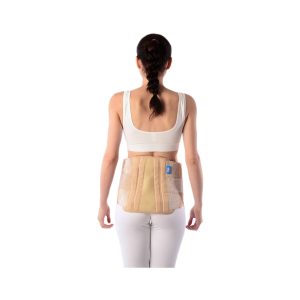
Dr. Sethukannan: Once the hernia is formed, this abdominal belt or any belt is not going to help. But in a postpartum period, that is after delivery, we do advise abdominal belt. It prevents from divarication of recti as well as herniation of umbilical hernia of such kind it helps now.

Dr. Hema Sathish: Okay.

Dr. Sethukannan: Also, a previous surgery, any previous surgery in the abdomen can cause weakness in the surgical site and it can cause hernia that is called as insertional hernia. It can occur anywhere in the abdomen.

Dr. Hema Sathish: And now when we talk about hernia, there are various stages for this, right? So, it initially starts as a small this thing and then please let us know when the surgery is required. So, let us start with like when the person should get alerted and say I need to see a doctor.

When Does a Hernia Require Medical Evaluation?

Dr. Sethukannan: So, when it comes to hernia, what time to operate? Most of the patients ask me when is the best time for me to operate. So, ideally a hernia has to be operated. There is that defect or a hole cannot be rectified by exercise or by any medication. So, it has to be ideally operated. The sooner will be the better.

Dr. Hema Sathish: Okay. So, even if you see it very early also you should get operated.

Dr. Sethukannan: We usually operate ma’am. Waiting for a longer time does not going to correct this defect.

Dr. Hema Sathish: Okay.

Dr. Sethukannan: But only condition where we wait for the hernia to revert is umbilical hernia in a Pediatric age group. For a preterm baby if there is a umbilical hernia then we will go for wait and watch because by 2 years most of the hernia will close by itself. Okay. And after wait and watch time is even prolonged this pediatric surgeons even prolong it to 4 to 5 years. Okay. So, they wait till 4 to 5 years. If it is not getting close then we operate.

Dr. Hema Sathish: So, in children it can close all by itself. But in adults that is not a possibility.

Dr. Sethukannan: But even in children if it is a inguinal hernia. Okay. Then it has to be done as soon as possible. Okay.

Dr. Hema Sathish: Why do you think the inguinal hernia is so I mean scary kind of because you are saying you have to operate early early or as soon as possible.

Inguinal Hernia: Why Timely Treatment Matters

Dr. Sethukannan: Because the umbilical hernia will not close by itself ma’am. Because of the preformed sac which comes when the testis descend down to the scrotum by 7 years it comes to the superficial ring. It has to transfer to the abdominal muscle and has to come to the scrotum. In a preformed baby when it comes it has to get obliterated. If it is not obliterating it forms a sac.

Dr. Hema Sathish: What do you mean by obliterating? I mean for the people to know.

Dr. Sethukannan: It has to get closed. So, if it is not closing it will form a sac so that this bowel content or momentum can come through it. And a baby if this bowel content is coming through it and is getting obstructed for a baby it is not possible to say. And the baby will be crying for a longer time and for us to identify it will get delayed. But it is not in the case of umbilical hernia. Umbilical hernia it is very obvious and it can be clinically identified if it goes for obstruction. So, that is why for umbilical hernia we used to wait if it is in a Pediatric age group still 4 to 5 years. For inguinal hernia we will operate it as soon as possible.

Dr. Hema Sathish: In babies also you have to operate all the more you have to operate faster because of the descent of the test.

Dr. Sethukannan: The only difference between pediatric and adult will be for adult we have to place a mesh to reinforce the muscle but for pediatric we do not keep a mesh. We just ligate the sac and do a hematoma.

Dr. Hema Sathish: But you are talking only about male babies. In female babies?

Dr. Sethukannan: Female babies also it is possible to develop inguinal hernia and umbilical hernia. But the content will be different. It will be a round ligament in a female.

Dr. Hema Sathish: And what about this abdominal belts in general? Do they help?

Dr. Sethukannan: Abdominal belts does not help.

Dr. Hema Sathish: But there are hernia belts also right?

Hernia Belts

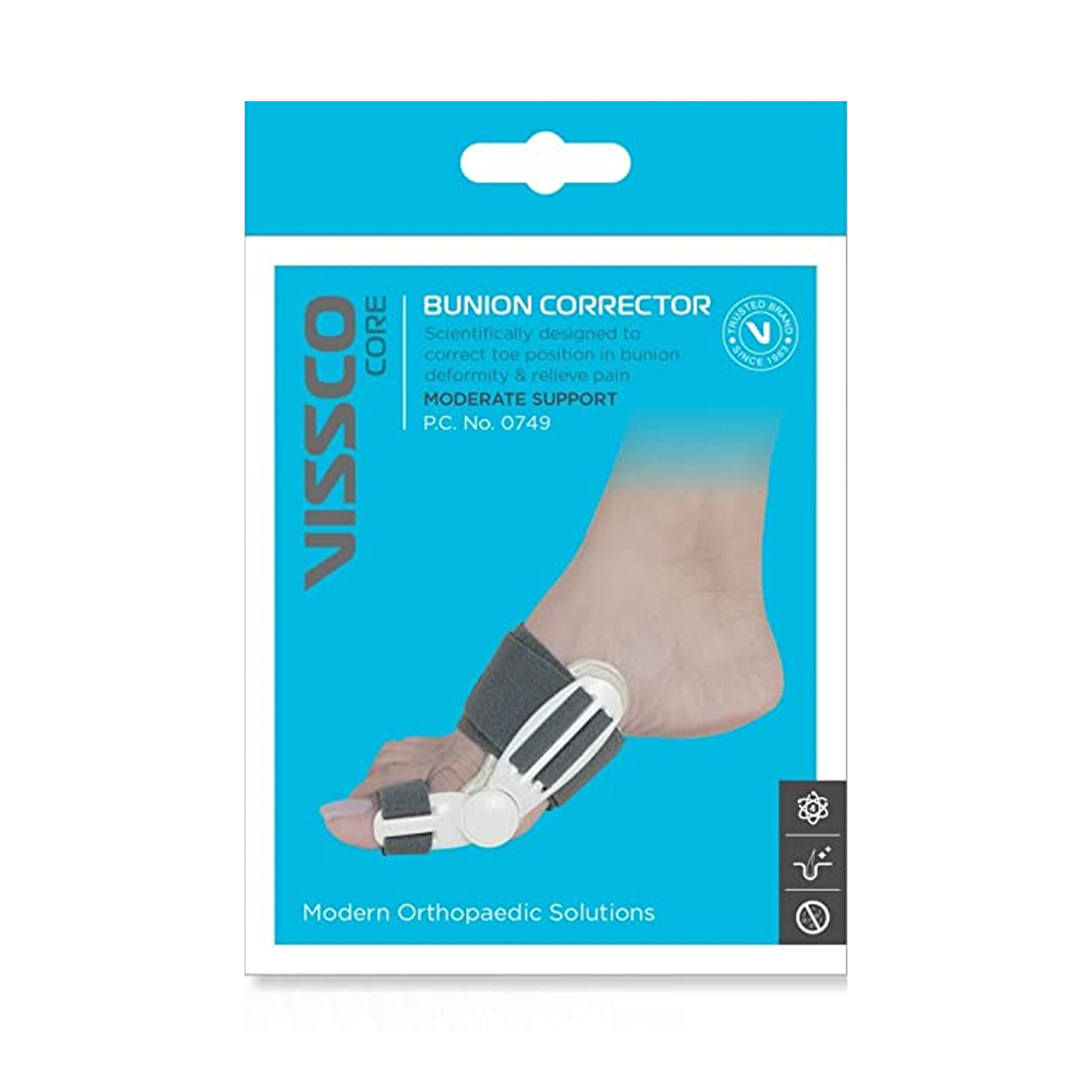
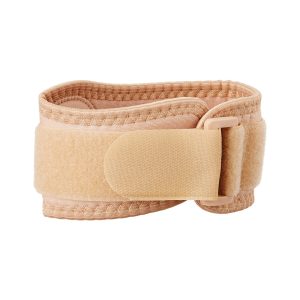
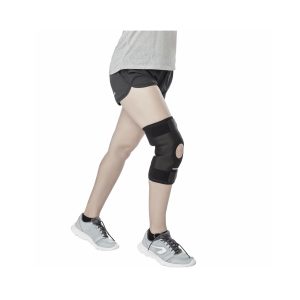
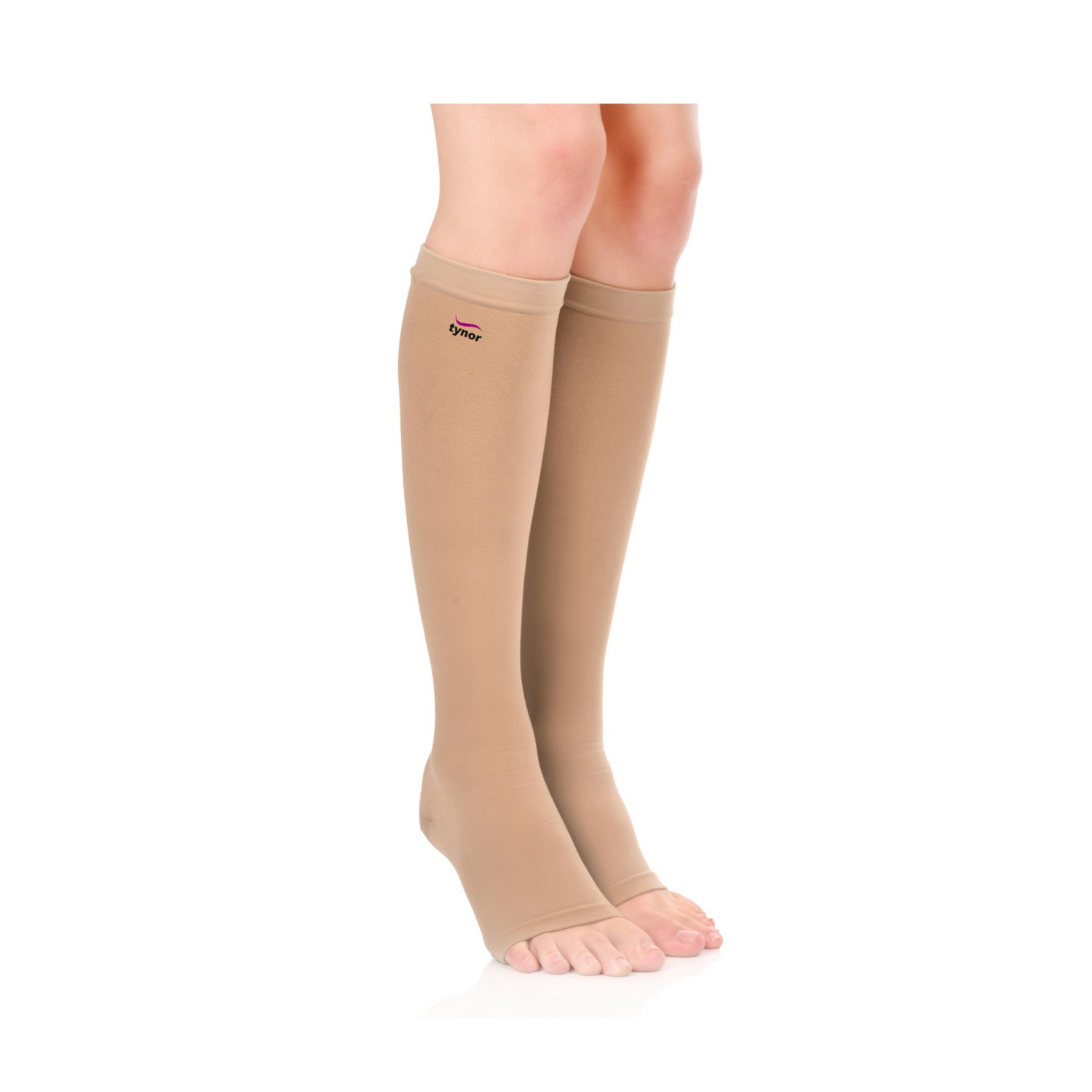
Dr. Sethukannan: There are lot of hernia belts. But it is not going to cure the process but most of them use it for a comfort. So, that this is not bulging out.

Dr. Hema Sathish: So, the pain factor is taken care of. Usually they complain of a dragging pain which is a botheration.

Dr. Sethukannan: So, that gives them some comfort most of them are using.

Dr. Hema Sathish: But you know using a belt does not mean that the complication that is obstruction will be taken care of. Does that happen?

Dr. Sethukannan: No ma’am. No, no. No, actually if it is irreducible hernia and if they are going to use this belt it is going to cause even more problem. It is going to strangulate from both sides. That will be a problem. So, ideally I don’t advise to go for hernia belts.

Dr. Hema Sathish: So, we have heard about in length about what hernia is and what causes it and stuff like that. Can you just enlist the risk factors like if a person can take care of these things probably hernia can be avoided. So, is there something like that?

Common Risk Factors for Hernia and How to Avoid Them

Dr. Sethukannan: Yes ma’am. So, age when age advances the abdominal wall muscle gets weakened. So, when age advances it is a risk factor and for inguinal hernia male gender is a risk factor because cord structure has to go through it and for umbilical hernia and incisional hernia both are equal incidence but female because of multiple pregnancies and sterilization, pupillary sterilization the risk of incisional hernia and umbilical hernia are higher. Femoral hernias are even higher in females and anything which increases the intra-abdominal pressure constantly. So, when the patient is having chronic cough due to allergy or TB or anything else if there is a continuous chronic cough the intra-abdominal pressure is keep on increasing for a longer duration or there is constipation. The patient constipates daily for which he has to strain for stools the intra-abdominal pressure increases and weight lifting may be professional weight lifter or gym person who is having a constant weight lifting activities in his day to day life all this person when the intra-abdominal pressure is constantly increased the pressure finds some way of weakest point which will cause a herniation of that weakest point. It can be umbilical hernia or inguinal hernia or smoking is a risk factor. So, smoking the strong collagen is been replaced by a weaker collagen. So, the connective tissue becomes weaker. So, it can cause hernia.

Dr. Hema Sathish: It is quite interesting to know that smoking also can be a risk factor for hernia and you have already mentioned that obesity is one more cause. Can you explain the whole thing also?

Dr. Sethukannan: All these are risk factors they don’t guarantee hernia but they stock the odds.

Dr. Hema Sathish: But does a hereditary factor or familial history increase the risk?

The Role of Family History in Hernia Risk

Dr. Sethukannan: Yes. So, if you see most of the very fit gym going persons, some persons develop hernia and they come to us and some person doesn’t develop hernia. The difference is they have genetically weaker collagen. It doesn’t mean they are weak. They might have core muscles strengthened but the connective tissue is weaker and that weaker point, once they do daily activity, intra-abdominal pressure increase, it develops into hernia.

Dr. Hema Sathish: So, that’s unfortunate.

Dr. Sethukannan: So, genetic also plays a role in hernia.

Dr. Hema Sathish: But if you have, now for example, somebody in the family has got it and then you know that there is a genetic predisposition and you want to take care of yourself, what would you do?

How to Protect Yourself from Hernia with a Family History

Dr. Sethukannan: So, to avoid it, basically, they should not strain for anything. Strain for anything in the sense, constantly. If they are having cough or if they are asthmatic by thing, they have to see to that they don’t get into allergic situations and in case of a genetic predisposition or some person in a family having hernia, so if you are worried that you might also develop hernia, then it is better to avoid all activities of weight lifting and you try to make over your meal plan so that you don’t constipate. All this stuff and try to reduce your obesity, keep it in a good BMI and that will itself.

Dr. Hema Sathish: So, general well-being itself will take you a long way there. That’s a nice thing to say. And then what we see is sometimes they have a very mild form of herniation which is not bothering them too much but when they cough or something they tend to come and say that I have seen this happen so is it normal or not. So, in that case what would you advise?

Mild Hernia Signs: When to Monitor and When to Act

Dr. Sethukannan: In that case if it is a small hernia and if it is reducible and if the defect is very small, then you can wait for surgery. You can go for wait and watch but obviously at one point of time, if it is a younger patient, at a longer age it is going to develop into another large hernia. So, in that time, operating for a large hernia will be difficult. For a small hernia, it is easier for them to operate a post-operative recovery is also good. So, in that case we prefer to do it as soon as possible. For hernia, it is always surgery. What I personally prefer.

Dr. Hema Sathish: And we have seen a lot of cases that even after surgery they have recurrences. So, what would you advise so that the recurrences do not happen?

Why Hernias Come Back and How to Avoid Recurrence

Dr. Sethukannan: Basically, what we do is, surgery for hernia is either open lap or robotic whatever it is, we are closing the defect and we are placing a mesh. Mesh is a very thin 0.5 mm thickness sheet that is not going to give protection for this hernia. So, it has to get incorporated into the muscle and integrate so that then only this it can give a full protection. So, that takes a longer time. It is not like that I come today, operate tomorrow and go to work as I have cleared a hernia. Once we keep the mesh, it takes 7 days for it to stay in place and all the tissue around it has to develop and hold it up. So, by one week it will get hold up. So, by this time the patient can drive, he can walk, he can climb stairs, he can do all his day-to-day activities except weight lifting. And by 3 months, it gets incorporated into tissue. Our tissue starts growing into this mesh fibres and around the mesh fibres and it gets inculcated which forms a biological bond between the mesh and the this is going to take 3 months and by 6 months it will get integrated into the muscle. So, which will start acting along with the muscle.

Dr. Hema Sathish: So, even if you do a surgery, you have to be careful 6 months.

Dr. Sethukannan: I ideally prefer to say patients that you should not lift heavy weights for 9 months. So, ideally for 3 months. For sure, no weight lifting for 3 months. The problem with recurrence is even though there are surgical techniques is also a very important thing and mesh wash we keep, in what plane we keep, everything has a role but even then, the most of the time the recurrence comes because once operated, patient goes again to work, he starts lifting heavy weight. That is the problem because it is not yet incorporated and it is not yet giving strength to the muscle to hold this. So, that time it will find another weaker way and it will form recurrent.

Dr. Hema Sathish: So, in their cases, is there some belt or some kind of reinforcement which can be done to help them?

Role of Hernia Belts and Supports

Dr. Sethukannan: Yes, ma’am. For inguinal hernia, there is no belt, ma’am. For umbilical hernia, after surgery, for 3 months we advise them to wear abdominal belts. So, whatever they would have wear in their pregnancy, we will ask them to wear it so that it also gives external pressure.

Dr. Hema Sathish: When can they start exercises? If it is inguinal hernia, when can they start and umbilical hernia, when can they start?

Hernia Recovery: When Is It Safe to Start Exercising Again?

Dr. Sethukannan: For both hernias, ventral hernia, umbilical hernia or inguinal hernia, after 7 days, once they get relieved of pain, then they can go to day-to-day activity, all work. From 1 week to 3 months, it is walking, cycling, swimming and if they want to do real workout, they can go for either pull-ups, push-ups. No squatting, no weight lifting, should be there for 3 months and that itself will prevent most of the recurrence.

Dr. Hema Sathish: So, their exercises are advised but you have to be very cautious and not do certain exercises like

Dr. Sethukannan: squatting or weight lifting, dead lifting and all, totally they have to avoid it. Even if they are gym professional also, they have to avoid it for 3 months.

Dr. Hema Sathish: So, now if a recurrence has occurred, then when do you advise the patient to come to you because if a recurrence has occurred, probably it starts a little slow, right? It is not like immediately it has gone back to the same old one. So, what do you advise in the case like that?

What to Do If a Hernia Comes Back: When to Seek Care

Dr. Sethukannan: Usually, we see recurrence usually in the second year or first year. First year, it is a longer duration. So, first initial 1 year, the patient coming to us with recurrence is very rare. After 1 or 2 years, the patient can come. So, if the patient comes to us with recurrence, again the option is only surgery. If it is done in an open method, then we will prefer for a laparoscopic method for a recurrence and if it is done in a laparoscopic method, we will go for an open method. So, that the plane totally differs and it will be easier for us to operate.

Dr. Hema Sathish: And do you think that sexual activity is going to increase the recurrence after a surgery?

Hernia Surgery Recovery: Is Sexual Activity Safe?

Dr. Sethukannan: No, ma’am. It is not going to affect anyway. As we said, within a week, the patient can go for his day-to-day activity. Within 2 weeks or 3 weeks, if the patient is sexually active, we can continue with his sexual activity. That is not a reason.

Dr. Hema Sathish: And you know, from all we hear or all we study also, hernia is more a male thing. Yes. It affects the men more and it bothers the men more. So, how much does it bother a woman?

Hernia in Women: How Does It Affect Them Compared to Men?

Dr. Sethukannan: The problem is, ma’am, hernia is thought to be a male kind of thing because around 15 to 25% of the male develops inguinal hernia, which means 1 in 4 or 1 in 5 of the male is going to develop inguinal hernia in his lifetime.

Dr. Hema Sathish: Oh, that’s really high.

Dr. Sethukannan: That is the statistics what says, ma’am. And the inguinal hernia in a female is 1 to 3%. Okay. And but when it comes to umbilical hernia, it is equal, incidence is equal on both sides. But because this inguinal hernia is very common in male, it is being thought as a male disease. But it is really a disease of both male and female. Both of them are advised to do surgery.

Dr. Hema Sathish: Okay. So, now if there is a little bulge and then how, you can’t like, everything cannot be considered or categorized as hernia, right? So, if somebody is like paranoid, oh my god, I might be having hernia, how would they, how would you comfort them? Like saying, okay, if you don’t have this, then don’t worry.

Not Every Bulge Is a Hernia: How to Stay Calm and Identify It

Dr. Sethukannan: Okay. So, most of the time, anterior abdominal wall, there can be a lipoma, which can also come to us with a swelling. But if you are worried and if you have no time to go to doctor, you just press and see it. If it is going inside, then it is a hernia. You are still safe, okay. It is a hernia. Okay, it is a hernia. And if it is not going in, it must be a lump, it can be a lipoma or sebaceous. It can be in the anterior abdominal wall. But once you do activities, if it is increasing in size, and once you lie down, it goes inside by itself, then it is surely a hernia.

Dr. Hema Sathish: But then when should they run to the doctor?

When Should You See a Doctor for a Suspected Hernia?

Dr. Sethukannan: Yeah, so when to go to a doctor? The patient has to go to a doctor immediately, if the patient is having pain in the region. And when the patient push it back, if it is not going inside, which means that it has become irreducible. Or if the patient is having, the hernia is not going inside, along with that, if the patient is having vomiting or constipation and obstipation, which means the patient is not able to pass flatus and motion, in all this condition, which means that this hernia has got stuck inside the hernia sac. So when to go to a doctor is, when the patient develops pain, vomiting, and the hernia is irreducible, which means if the patient is pushing the hernia and it is not going inside, and if the patient is not able to pass flatus and motion, and there is abdominal distension, then the patient has to run immediately to the hospital. Basically, we do surgeries for hernia because to prevent complication. Because this hernia is not going to cause pain, it is going to be a dull aching pain, it is not going to be a excruciating pain. So pain is not a problem, mild discomfort can be there. Even then, we operate for, even for a small hernia because to prevent the complication. Even though complication is only 1 to 3 percent, the complication could be strangulation and irreducibility, we do operate because that is going to cause a very serious complication. So even though it is 1 to 3 percent and it is not nil and it is going to cause a dreaded complication, we are operating a hernia to prevent that complication.

Dr. Hema Sathish: So when do you know there is a complication? I mean for a person to understand that oh my god, I have developed a complication with hernia, I got to really see a doctor.

How to Know If a Hernia Has Become Complicated

Dr. Sethukannan: The warning signs for a complication is pain, vomiting, along with that the hernia is not going inside or it is irreducible and abdominal distention, not able to pass motion and pass flatus.

Dr. Hema Sathish: So pain, to what degree of pain would you say? It will be a quite a severe pain.

Dr. Sethukannan: It will be a severe pain.

Dr. Hema Sathish: Because pain is very relatable, right? Some people can tolerate more pain and some people can tolerate lesser.

Dr. Sethukannan: This pain is going to be a severe pain because it is due to the reduced blood supply to the bowel or the momentum.

Dr. Hema Sathish: So that is going to be excruciating a pain. So there are so many myths about hernia. So let us break some of the myths. One would be, people just imagine that if you have hernia, if you do not do any physical activity or you do not strain it any further, it will become alright. How wishful the thinking, right?

Myths About Hernia: Does Rest Alone Cure It?

Dr. Sethukannan: Not lifting the weight might not worsen the hernia but it is not surely going to completely cure it.

Dr. Hema Sathish: So that is surely a myth. So you have to handle it. And then some people believe that if you push it inside, it will go inside. So it will stay inside.

Dr. Sethukannan: But the patient would have tried it for many times and it would have not gone inside.

Dr. Hema Sathish: True, true, true.

Dr. Sethukannan: The patient himself will understand it is not going to go inside. Even after so much of pushing it is not going to go inside.

Dr. Hema Sathish: And people believe that there are exercises which can reduce hernia.

Dr. Sethukannan: I have also seen a lot of exercise, lot of drugs saying that if you do this exercise it will surely core strengthening exercise is going to be good for your back and it is going to strengthen your muscle but surely it is not going to close this hole. So only option will be doing a surgery.

Dr. Hema Sathish: This is not because of the muscle weakness. It is not due to the weakness of the connective tissue.

Dr. Hema Sathish:  And that is not in anybody’s hands actually. That is very unfortunate.

Dr. Sethukannan: Even if you do exercise, your core muscle will get strengthened but this connective tissue which is weakened and already with a preformed sac is not going to get corrected.

Dr. Hema Sathish:  Now we say connective tissue, connective tissue. There are so many drugs which say they build connective tissue and they can help with collagen resynthesis and all those things and all. So will that help in this?

Dr. Sethukannan: No ma’am. It is not at all. Okay. So that is again a myth.

Dr. Hema Sathish:  Hernia occurs only in older people is it? It can occur even in a newborn preterm baby. It is a disease of all age group and all gender.

Dr. Hema Sathish:  And you said obesity can cause but then if it has come then reducing the weight will revert it to something people believe in, right?

Dr. Sethukannan: So there is a myth that if you reduce weight, this hernia will get cured but it is not going to get cured but reducing weight will be very helpful in the recovery of the surgery and intraoperatively also it is going to help. So if there is an obese patient with a large hernia, we do advise them to go reduce the weight to 10% of their body weight and come back so that the procedure and the postoperative recovery everything will be good.

Dr. Hema Sathish:  Okay. That is what can be helped but not the hernia per se.

Dr. Sethukannan: It cannot as such clear the hernia.

Dr. Hema Sathish:  So you were talking about different techniques for surgical techniques for the hernia. So I mean who is the ideal candidate for a laparoscopic hernia surgery and who is like and then why open hernia surgery?

Laparoscopic vs Open Hernia Surgery: Choosing the Right Approach

Dr. Sethukannan: So anybody is ideal candidate for laparoscopic surgery. That is a small procedure. Yeah, it has been done as open procedure even though open surgeries are time tested and gold standard this laparoscopic surgery is overtaken it and right now laparoscopic surgery is there is no restriction for obesity or something like that is not a restriction for a laparoscopic surgery but recurrent hernia from a laparoscopic surgery I personally usually prefer a open surgery.

Dr. Hema Sathish:  Then you have to really figure out where exactly the flaw is and then seal it in lap you cannot do that.

Dr. Sethukannan: So there is no contraindication or no person. Only problem is when we go for a open hernia it is only a spinal and if we go for a laparoscopic hernia it is going to be a general anaesthesia. If the patient is fitting up for a general anaesthesia he is fitting up for laparoscopic and robotic surgery.

Dr. Hema Sathish:  That was a wonderful conversation Dr. Sethukannan. Thanks a lot for explaining in detail only about hernias and so many things. I think some things which we have heard some things which we never knew. So there are a lot of information given. Thanks a lot doctor.

Dr. Sethukannan: Thank you ma’am.


Back