






Cureka: India’s leading Online Healthcare Platform

Best Sellers
-
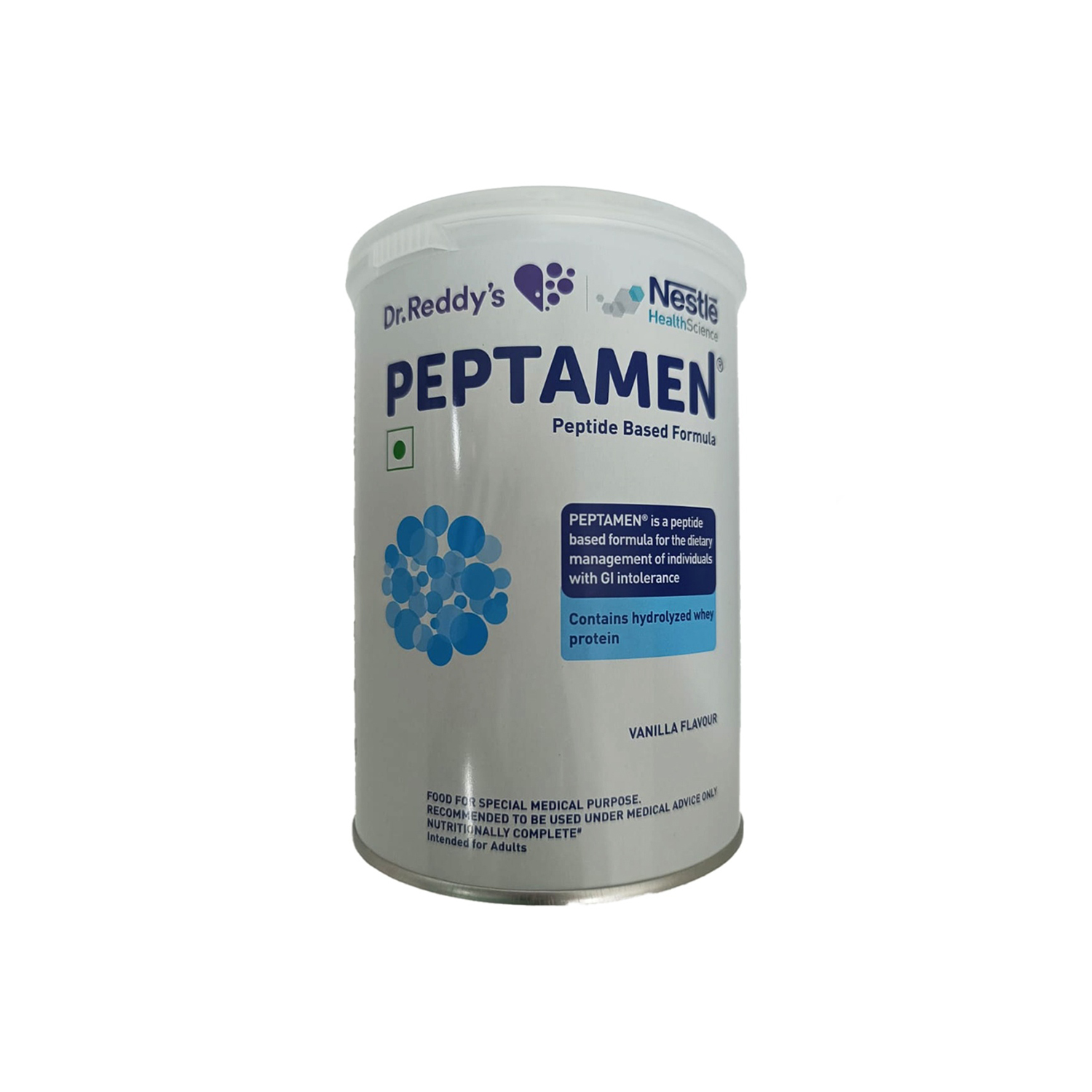
Nestle Peptamen Vanilla Flavoured Peptide Based Diet Powder 400gm Tin
Brand: Nestle Health Science
MRP: 1999 OFFER: 1859
-
-
-
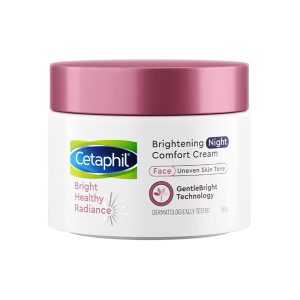
Cetaphil Brightening Night Comfort Cream For Dark Spots, Uneven Skin..
Brand: Cetaphil
MRP: 1299 OFFER: 949
-
-
Ethiglo Skin whitening, Deep Cleansing Facial Foam Face Wash 200g
Brand: ETHIGLO
MRP: 520 OFFER: 442
-
-
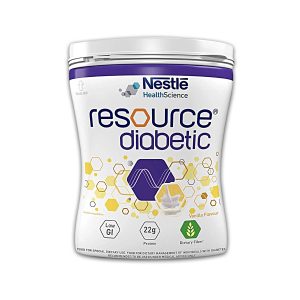
Nestle Resource Diabetic Nestle Food For The Dietary Management Of In..
Brand: Nestle Health Science
MRP: 937 OFFER: 862
-
-
 Renopro HP Nutritional Powder during Dialysis Vanilla Flavour – 400..
Brand: British Biologicals
MRP: 935 OFFER: 935
-
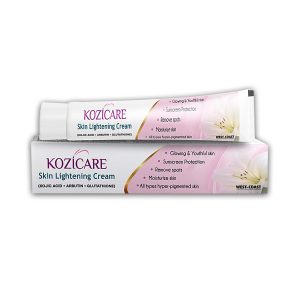 Kozicare Skin Lightening Cream with Kojic Acid, Arbutin, Glutathione..
Brand: Kozicare
MRP: 185 OFFER: 185
-
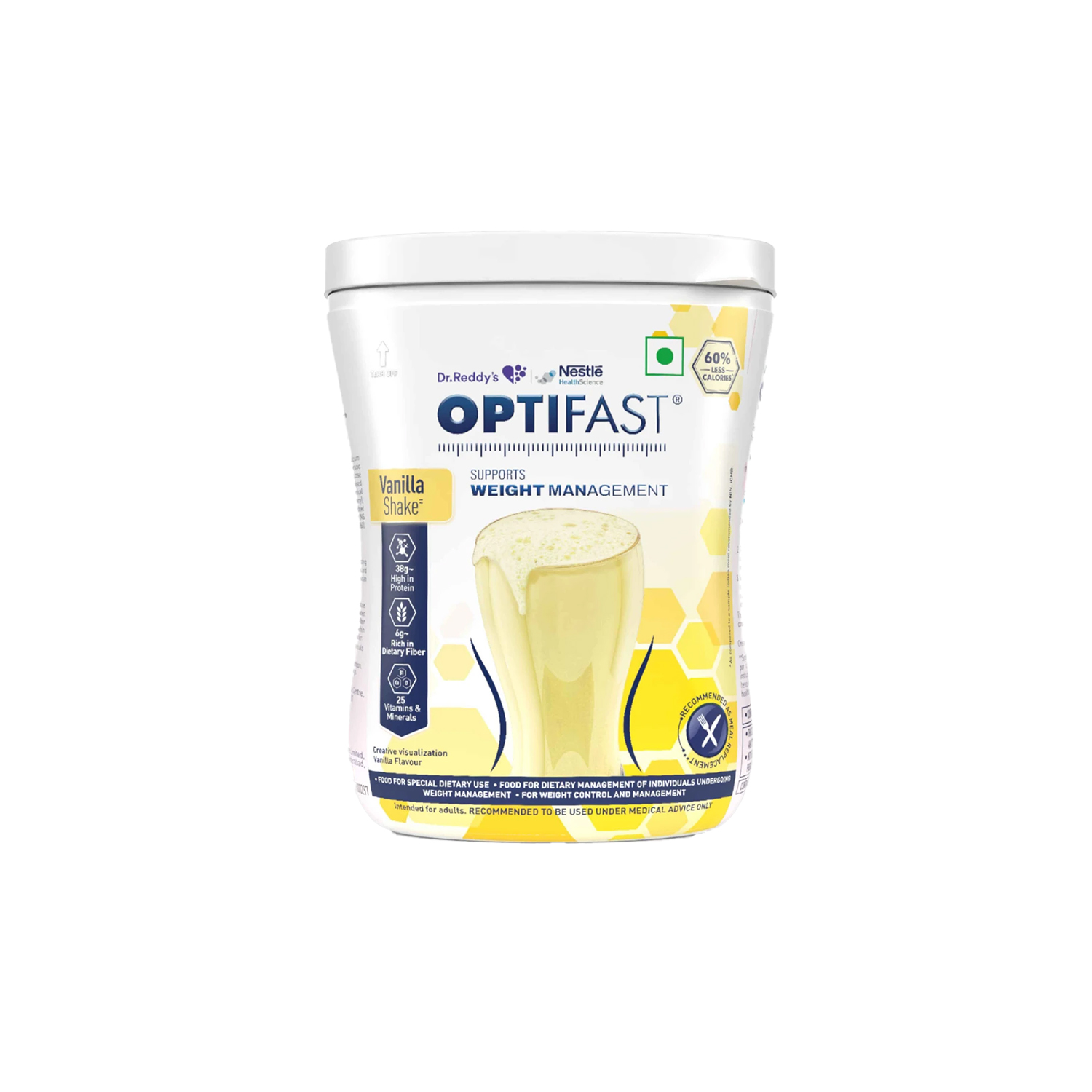
Nestle Optifast Weight Management Meal Replacement Shake Vanilla 400g..
Brand: Nestle Health Science
MRP: 1450 OFFER: 1305
-
-
-
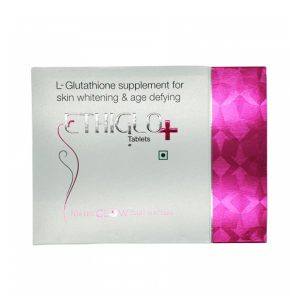
Ethiglo Plus L-Glutathione Tablets for Skin Whitening and Age Defying..
Brand: ETHIGLO
MRP: 3025 OFFER: 2571
-
-
Nestle Optifast Weight Management Shake | Chocolate | Low GI Formula..
Brand: Nestle Health Science
MRP: 1450 OFFER: 1305
-
-
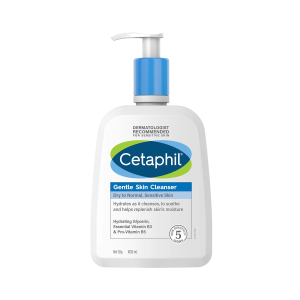
Cetaphil Gentle Skin Cleanser for Dry, Normal Sensitive Skin –..
Brand: Cetaphil
MRP: 1899 OFFER: 1747




New Arrivals
-
-
-
-
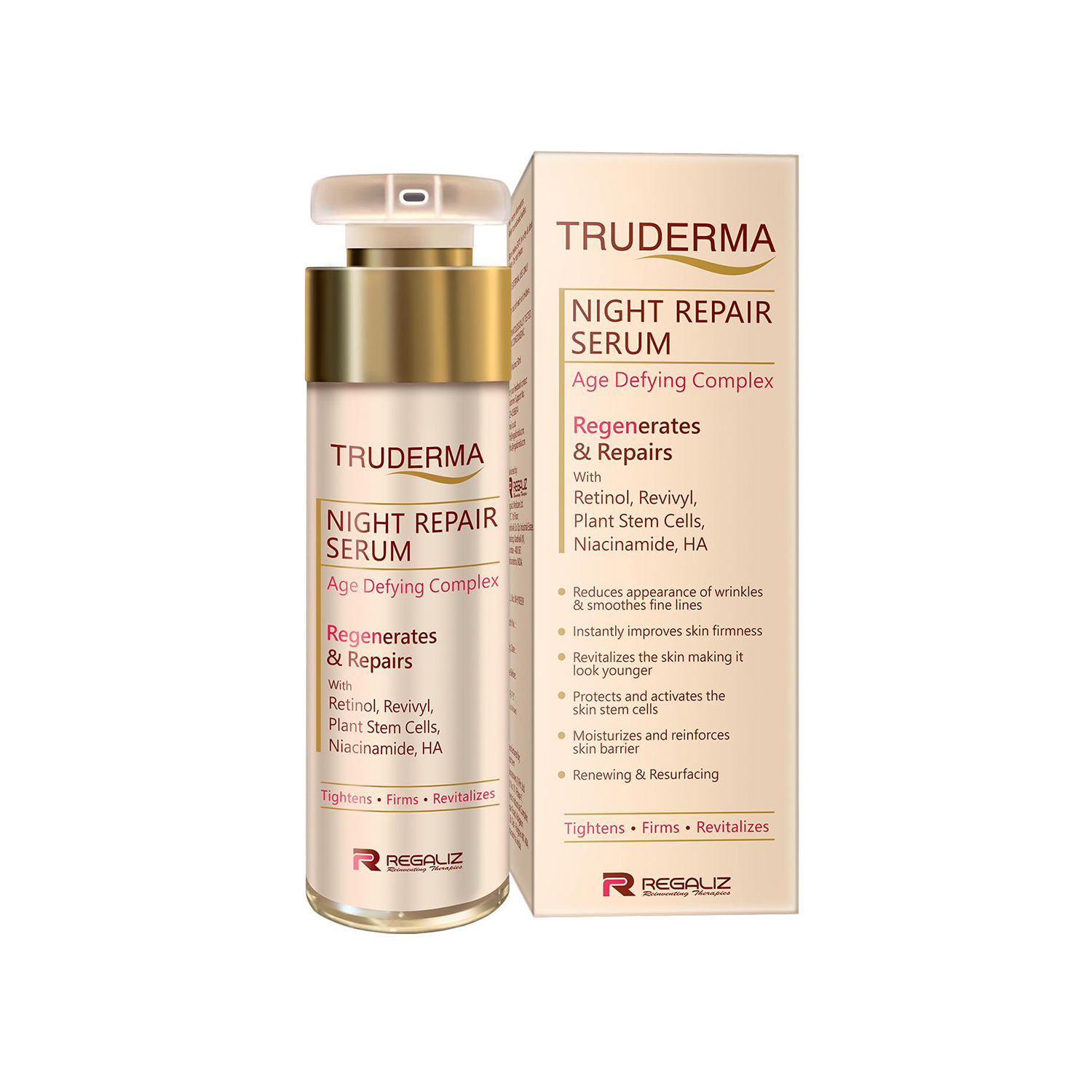
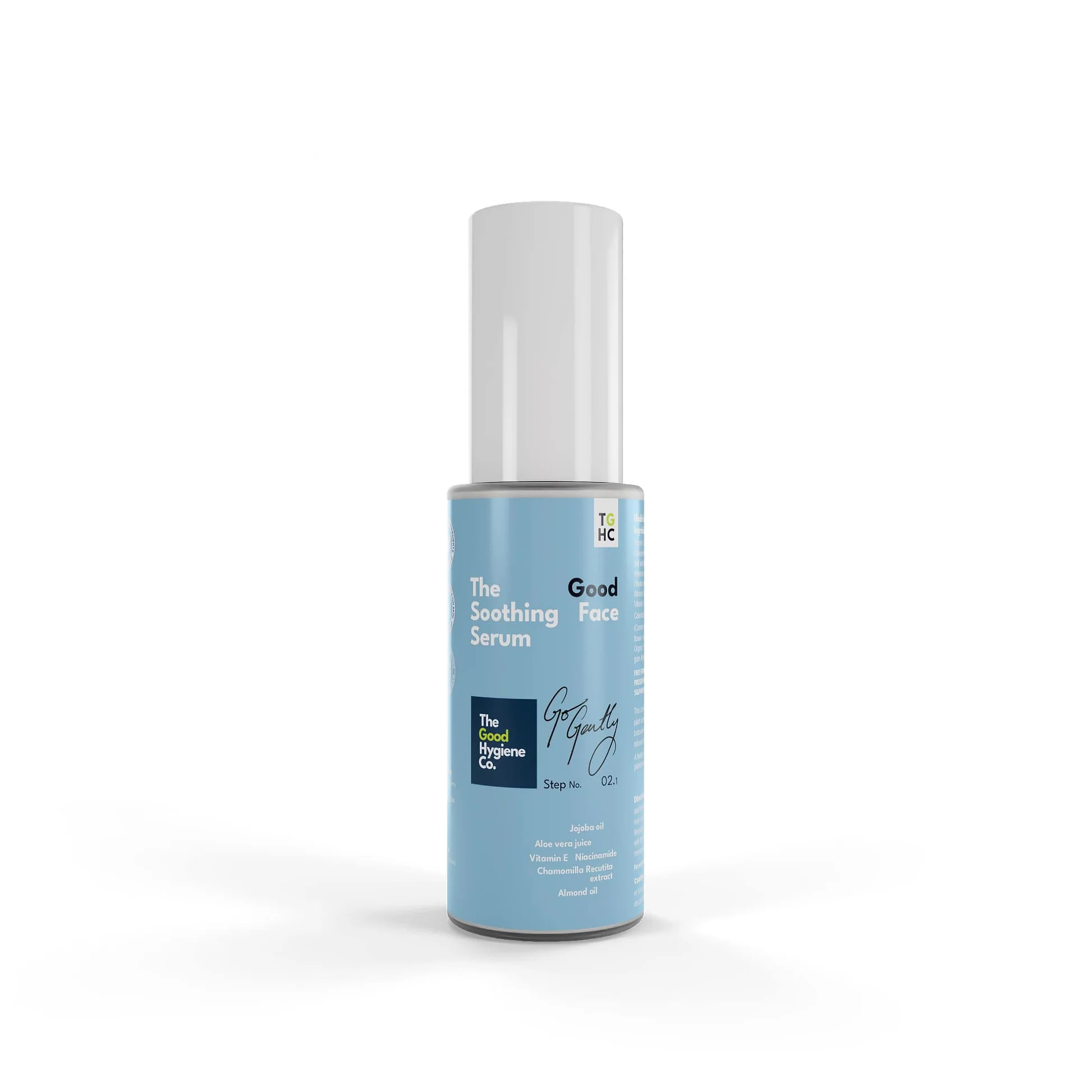
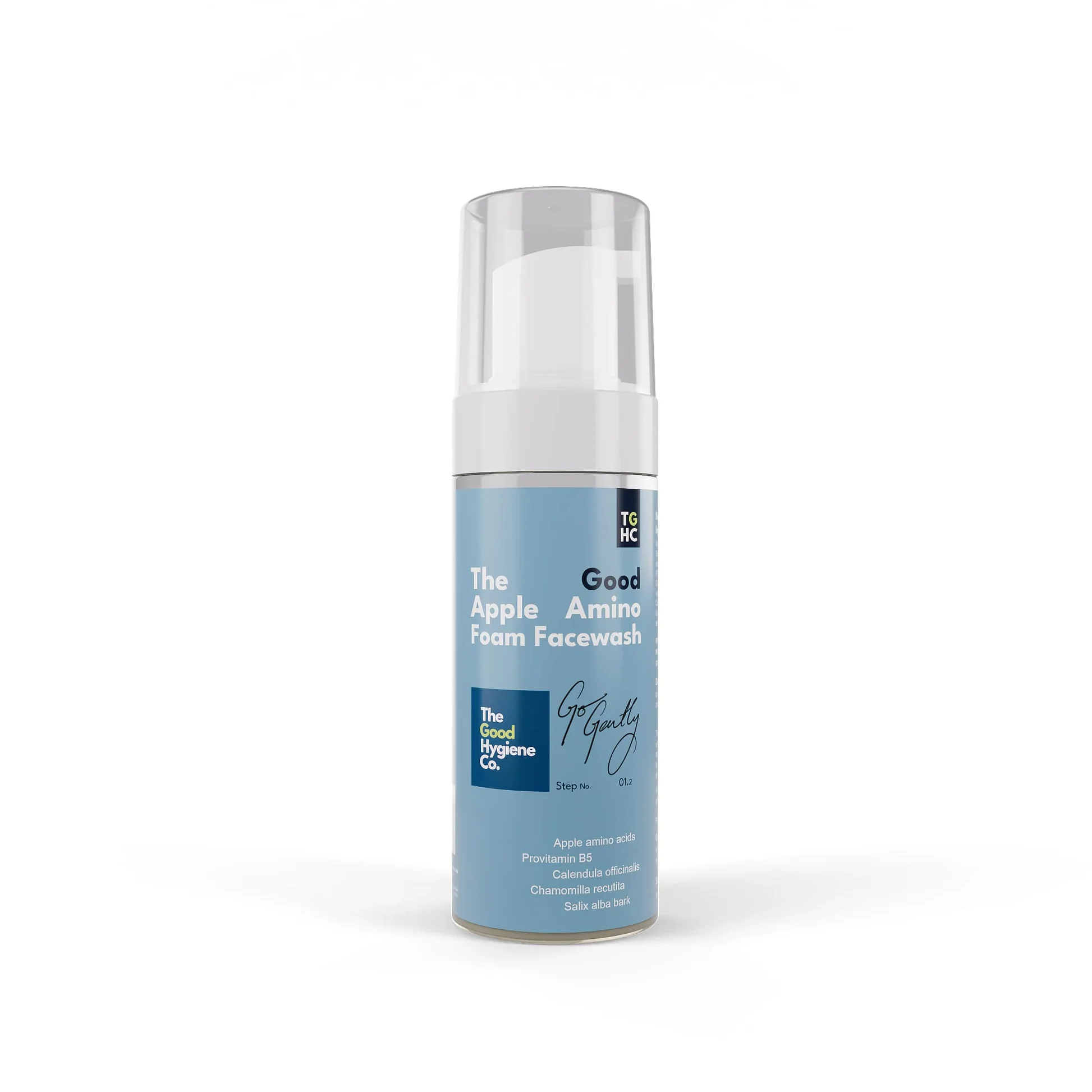
The Good Soothing Face Serum for Sensitive Skin 50ml
Brand: The Good Hygiene Company
MRP: 1530 OFFER: 1377
-
-
-
-
-
-
-
-
-

-
-





Skin Care
-
-
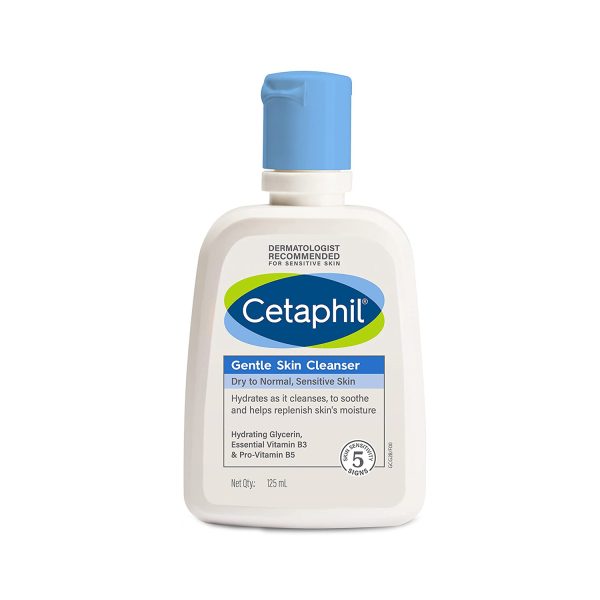
Cetaphil Gentle Skin Cleanser for Dry to Normal Sensitive Skin 125 ml
Brand: Cetaphil
MRP: 429 OFFER: 365
-
Ethiglo Owash Ultra Mild Oily Skin Wash, Paraben Free, Balanced pH, 1..
Brand: ETHIGLO
MRP: 625 OFFER: 531
-
Ethicare Liftage Daily Collagen Beauty Shot (12 x 50 ml)
Brand: Ethicare Remedies
MRP: 2668 OFFER: 2268
-
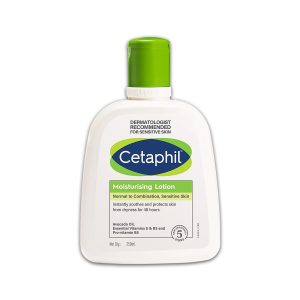
Cetaphil Moisturizing Lotion for Normal to Combination, Sensitive Ski..
Brand: Cetaphil
MRP: 1259 OFFER: 1095
-
Aveeno Skin Relief Moisturizing Lotion for Dry and Sensitive Skin, 35..
Brand: Aveeno
MRP: 1560 OFFER: 1249
-
 Bioderma Photoderm Spot-Age Sunscreen SPF 50+ Cream For Pigmentation..
Brand: BIODERMA
MRP: 1899 OFFER: 1899
-
-

-
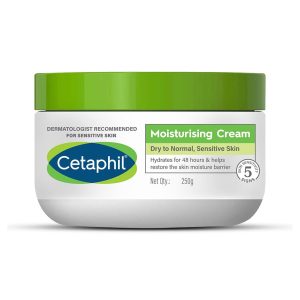
Cetaphil Moisturising Cream for Face & Body For Dry to Normal Se..
Brand: Cetaphil
MRP: 1499 OFFER: 1274


Hair Care
-
-
Tricho 5 – Hair Growth & Hair Fall Control Capsules 30 (2..
Brand: Ethicare Remedies
MRP: 659 OFFER: 619
-
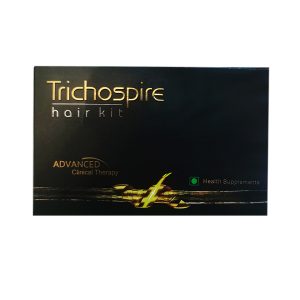
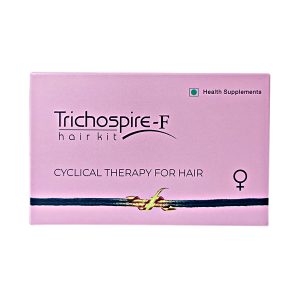
Trichospire F Hair Kit, Cyclical Nutrition for Hair | Female Hair Kit
Brand: Ethicare Remedies
MRP: 1059 OFFER: 900
-
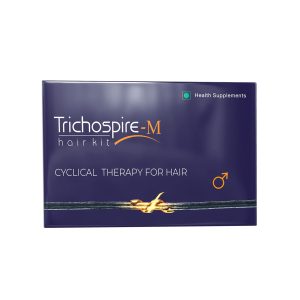
Trichospire M Hair Kit Cyclical Nutrition for Hair | Male Hair Kit
Brand: Ethicare Remedies
MRP: 1059 OFFER: 921
-
-
-
-
-
-
-
-
-
-
-
-


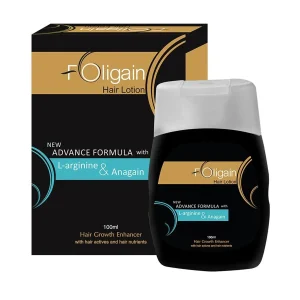
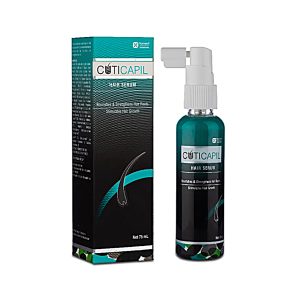
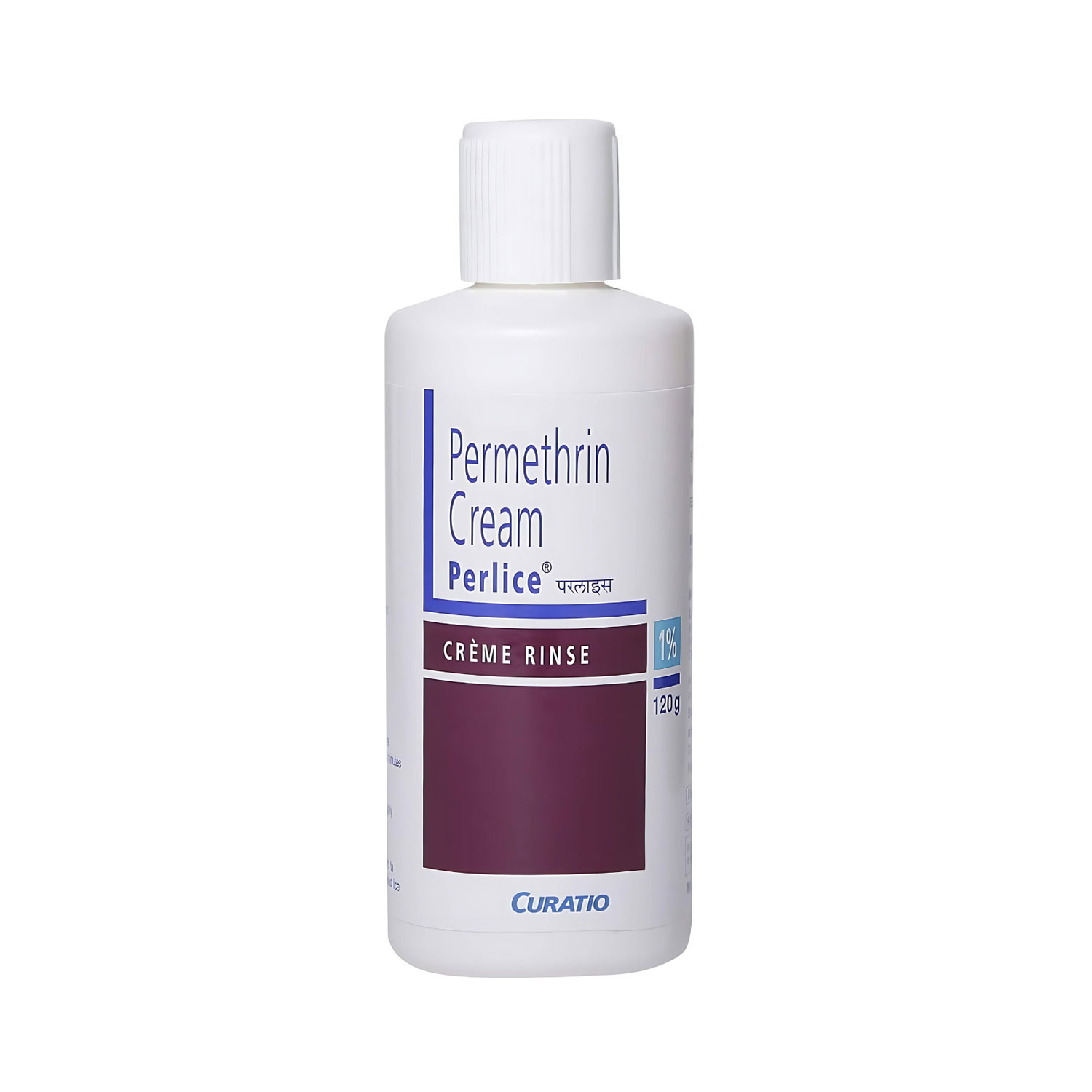
Nutrition
-
Nestle Optifast Weight Management Meal Replacement Shake Vanilla 400g..
Brand: Nestle Health Science
MRP: 1450 OFFER: 1305
-
INLIFE Prebiotics and Probiotics Supplement for Men Women-60 Capsules..
Brand: INLIFE
MRP: 619 OFFER: 458
-
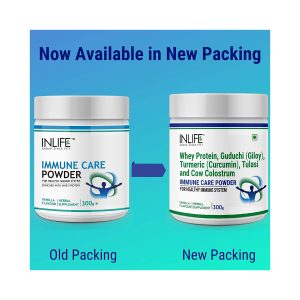
INLIFE Immune Care/Booster Protein Powder, Whey Protein with Ayurvedi..
Brand: INLIFE
MRP: 1199 OFFER: 899
-
Carnifizz Zinc Effervescent Tablet (10 Nos) Orange Flavour
Brand: Novelty Healthshine
MRP: 378 OFFER: 340


Wellness
-
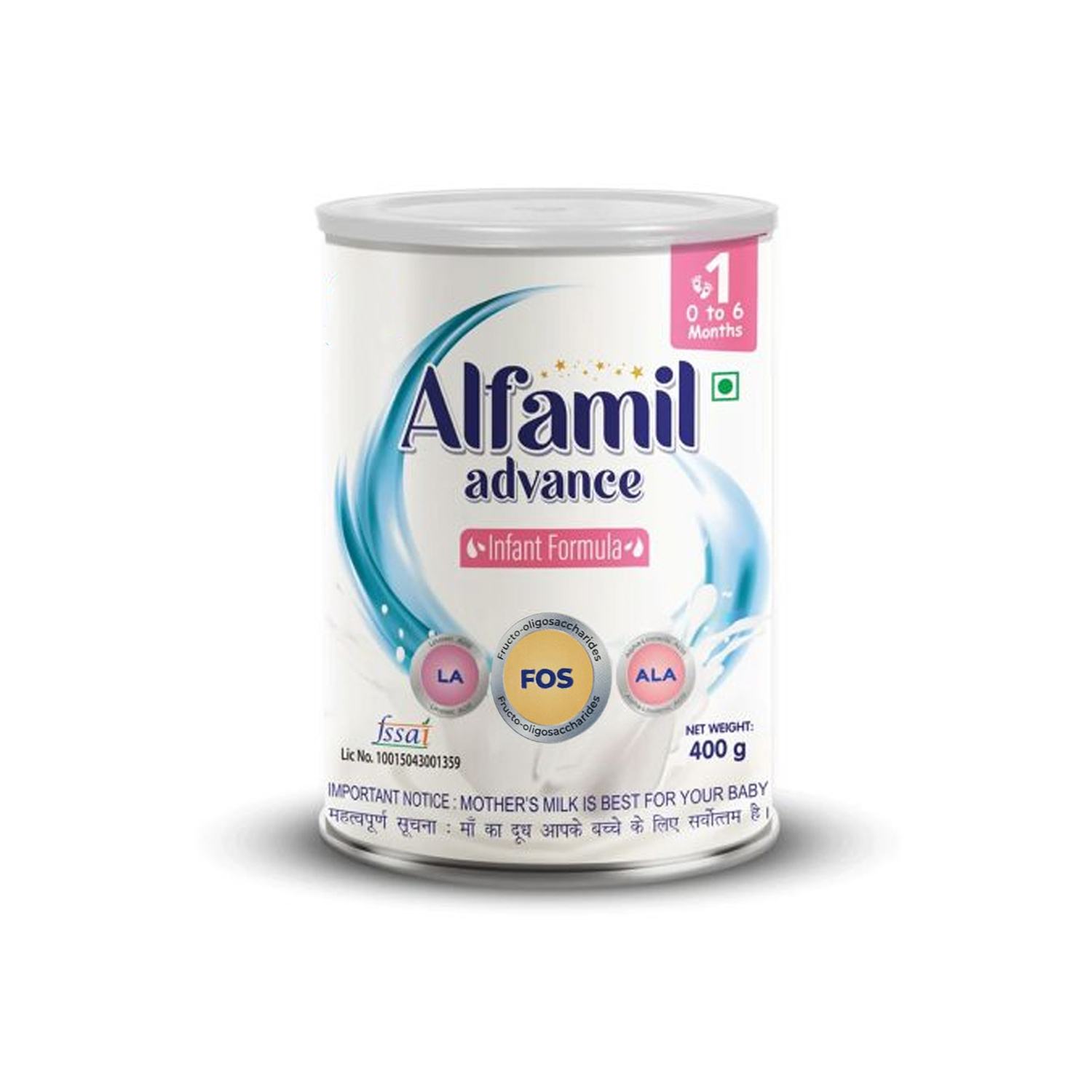
Similac Advance Infant Formula Stage 1 Up to 6 Months 400 gm Refill P..
Brand: Similac
MRP: 805 OFFER: 789
-
INLIFE Livstan Liver Support Protein Powder , Whey Protein Powder, Ay..
Brand: INLIFE
MRP: 1399 OFFER: 1021
-


Herbal & Ayurveda
-
-
-
Autoimmunity Care Advanced Immune Care Capsule (60 nos)
Brand: AUTOIMMUNITY CARE
MRP: 990 OFFER: 842
-
-
-
-



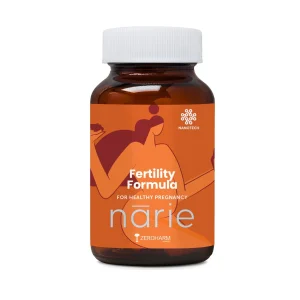


Elderly Care
-
-
-
-
-
-
-
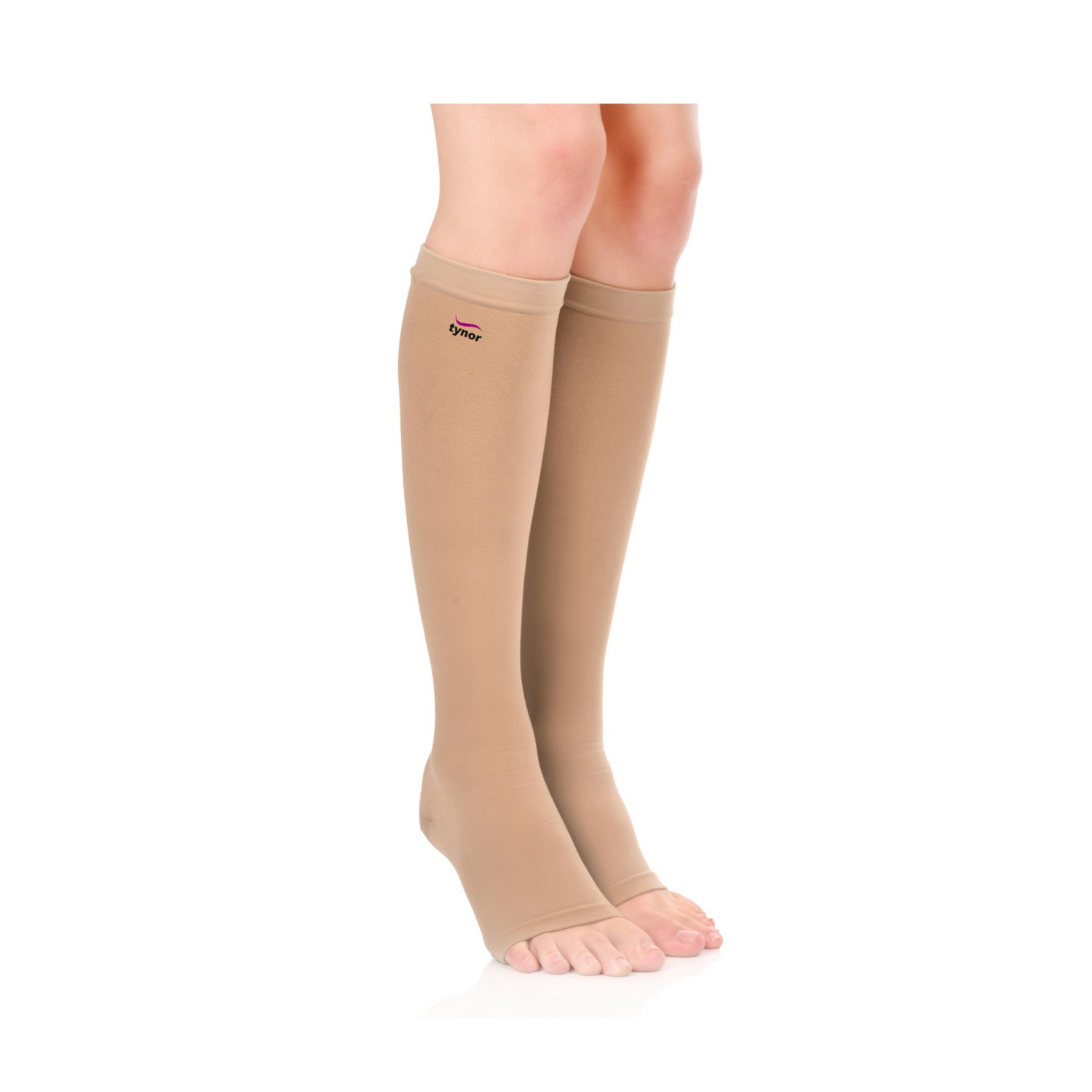
Tynor Medical Compression Stocking (Pair) 1-67 Knee High Class 2 Smal..
Brand: Tynor
MRP: 1472 OFFER: 1133
-
-
Friends Easy Adult Diapers, Tape Style, 8 Hours Protection XL Waist S..
Brand: FRIENDS
MRP: 797 OFFER: 666
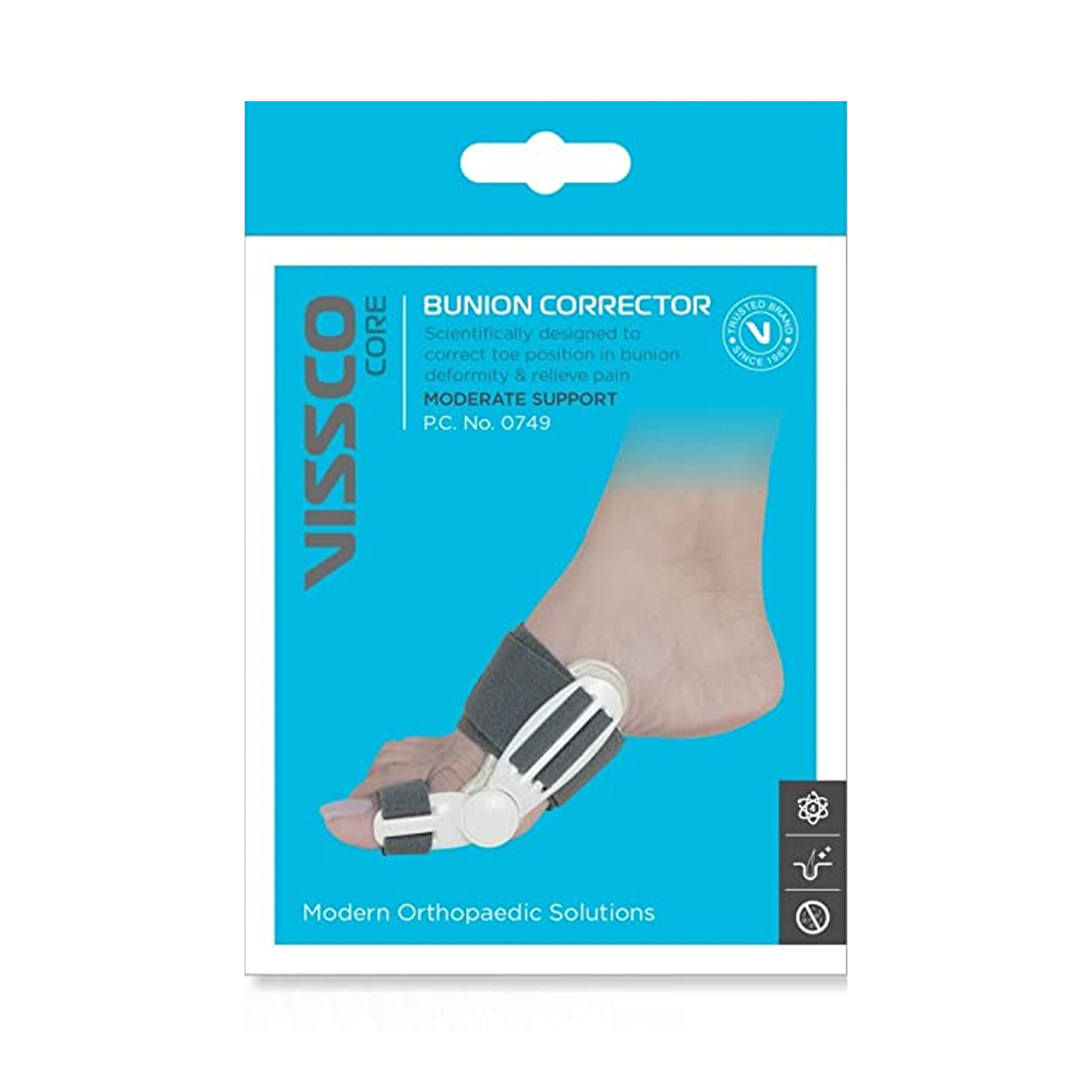
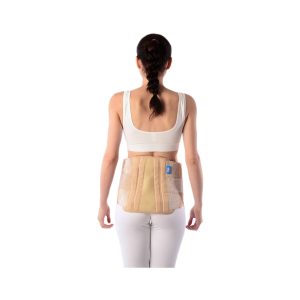
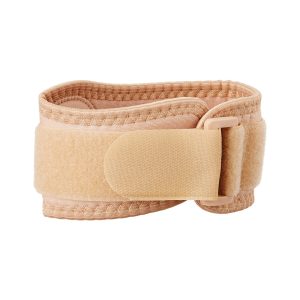


We help you grow your business

Customer Reviews
Our Blog

Why Poor Sleep Ages Your Body Faster (and Natural Ways to Fix It)
Medically Reviewed By: Dr. Hema Sathish M.B.B.S., D.D(UK) Dermatologist, Founder of Cureka We often think...
Read More
How Reels & Screen Time Are Damaging Your Brain | Dr. Asma x Cureka Podcast
Table of Contents: Most Common Types of Addiction Seen in Practice When...
Read More
Precision Nutrition: How Food Timing Affects Absorption of Nutrients
Medically Reviewed By: Dr. Hema Sathish M.B.B.S., D.D(UK) Dermatologist, Founder of Cureka In the quest...
Read More
Women’s Preventive Healthcare: Daily Essentials for Long-Term Wellness
Medically Reviewed By: Dr. Hema Sathish M.B.B.S., D.D(UK) Dermatologist, Founder of Cureka The Silent Power...
Read More