


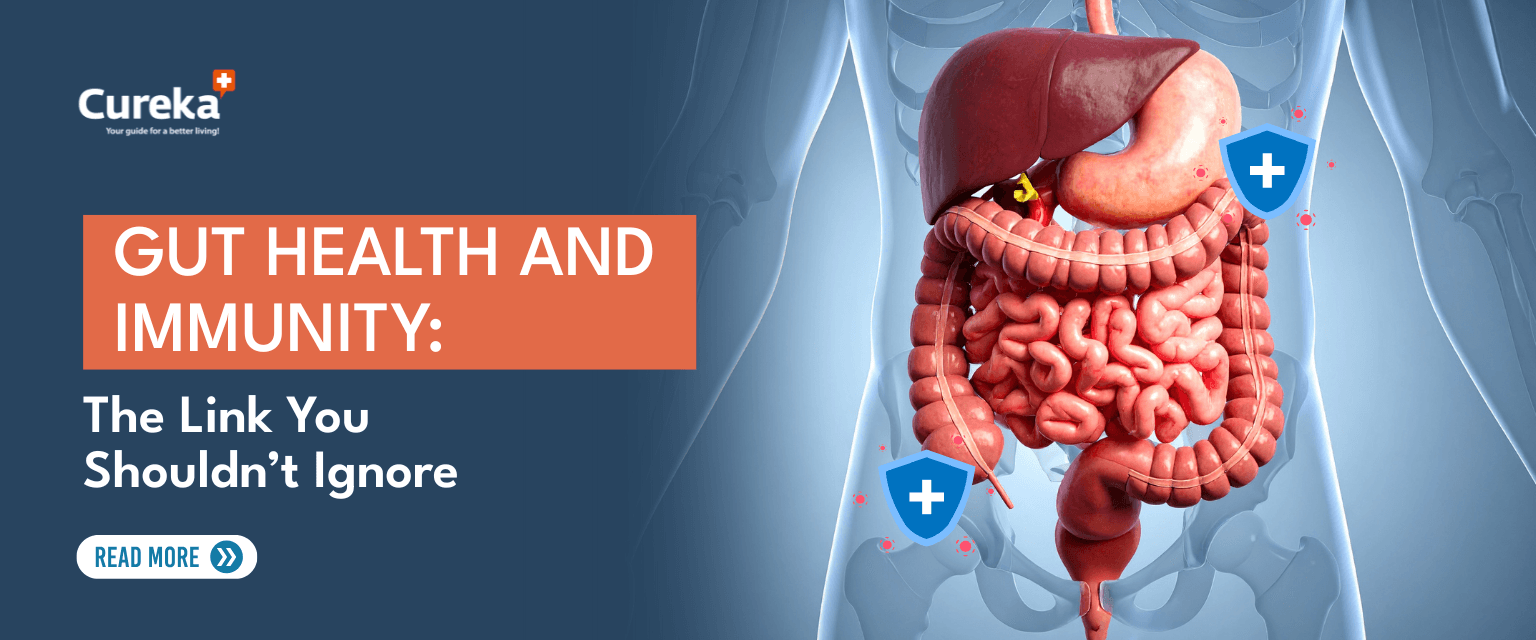
When we think about staying healthy, we often focus on things like eating balanced meals, staying active, or getting regular health checkups. But there’s one essential aspect of preventive health that often gets sidelined gut health and immunity . Surprising to many, your gut is the powerhouse behind your immune system. In fact, nearly 70–80% of immune cells reside in your gut, making the connection between gut health and immunity much stronger than you might expect.
Whether you’re battling frequent infections or simply trying to improve your long-term well-being, nurturing your gut microbiome is one of the smartest moves in preventive care. That’s where probiotics for immunity and conscious lifestyle changes come in. The idea is not just to fix issues as they arise, but to prevent them in the first place and your gut plays a starring role in that effort.
In this blog, we’ll explore how your gut and immune system are intricately linked, how probiotics for immunity can give you a preventive edge, and what lifestyle factors you can optimize to support both gut health and immunity in the long run.
The Gut-Immune Connection: Why It Matters
Your digestive system is home to trillions of microorganisms, collectively called the gut microbiome. These include beneficial bacteria, viruses, and fungi that all work in harmony to maintain gut integrity and support immunity. A well-balanced gut microbiome not only helps break down food but also educates immune cells, fights off harmful pathogens, and prevents chronic inflammation.
Here’s how the gut health and immunity link plays out:
Immune Training: Your immune cells learn to differentiate between friendly and harmful microbes with the help of gut bacteria. A diverse microbiome helps fine-tune this process, preventing autoimmune reactions or exaggerated immune responses.
Barrier Function: Your gut lining acts as a physical barrier to keep pathogens out. When the gut barrier weakens (a condition often referred to as “leaky gut”), unwanted substances can enter the bloodstream, triggering immune responses and inflammation.
Anti-inflammatory Support: Certain gut bacteria produce short-chain fatty acids (SCFAs) like butyrate, which help reduce inflammation and strengthen immune function.
Without a healthy gut microbiome, the immune system becomes more reactive and less effective, making prevention difficult and illness more likely.
Probiotics for Immunity: How They Help
One of the simplest and most effective ways to support your gut microbiome is by incorporating probiotics for immunity into your daily routine. Probiotics are live beneficial bacteria that restore microbial balance, especially after disruptions caused by poor diet, illness, or antibiotics.
How do probiotics support immunity?
They increase the population of good bacteria, which outcompete harmful microbes.
Probiotics enhance the function of T-cells and natural killer cells — both essential for immune defense.(1)
They regulate inflammatory responses and help build tolerance against allergens.
Certain strains have been shown to improve response to flu vaccines and shorten the duration of respiratory infections. (2)
Some of the most studied probiotic strains for immunity include:
Lactobacillus rhamnosus
Bifidobacterium lactis
Saccharomyces boulardii
Lactobacillus plantarum
Look for supplements or foods (like yogurt) that include these strains for a targeted immune boost. (3)
Signs Your Gut Microbiome Might Be Off Balance
Preventive care is all about catching small imbalances before they turn into major health issues. Watch for these early warning signs of gut imbalance, which may be weakening your immunity:
Frequent infections or colds
Digestive issues like bloating, constipation, or diarrhea
Skin flare-ups (acne, eczema, rosacea)
Food sensitivities
Constant fatigue or brain fog
Allergies or autoimmune symptoms
If you’re experiencing any of these, it might be time to assess your gut health and immunity strategy.
Lifestyle Factors That Influence Gut Health and Immunity
Your everyday choices directly impact the state of your gut microbiome. Here’s how to build a preventive lifestyle that supports both gut health and immunity:
1. Eat a Fiber-Rich, Whole Food Diet
Diet is one of the most powerful tools in shaping your gut microbiome. Focus on:
Prebiotic foods: These are non-digestible fibers that feed beneficial bacteria. Examples include garlic, onions, bananas, oats, and asparagus.
Diverse plant-based foods: Aim for 25–30 plant foods per week to support microbial diversity.
Fermented foods: Yogurt, Kombucha offer natural sources of probiotics for immunity.
2. Limit Sugar and Processed Foods
Sugar and highly processed foods feed harmful bacteria and increase gut inflammation. Reducing intake helps beneficial microbes thrive.
3. Manage Stress
Chronic stress alters gut flora and weakens immune response. Incorporate practices like deep breathing, yoga, or meditation to keep stress and your gut in check.
4. Get Enough Sleep
Poor sleep can reduce microbial diversity and impair immune cell activity. Aim for 7–9 hours of quality rest per night.
5. Avoid Unnecessary Antibiotics
While antibiotics are necessary in some cases, overuse can decimate beneficial bacteria and leave your immune system vulnerable. Always use them responsibly under medical guidance.
6. Exercise Regularly
Moderate physical activity increases the growth of beneficial gut bacteria and improves immune circulation. Even 30 minutes of walking a day makes a difference.
Prevention Over Cure: Why It Starts in the Gut
The whole idea of preventive healthcare is to reduce the risk of future disease by making informed choices today. Gut health is one of the most underrated aspects of this equation.
By nurturing your gut microbiome and consistently including probiotics for immunity, you’re building a robust foundation that helps your immune system react swiftly and appropriately when needed all without overstimulation or burnout.
Think of your gut as the garden of your body. If you plant the right seeds (probiotics), feed the soil (prebiotics and fiber), and protect it from toxins (processed foods, stress, and antibiotics), you’ll grow a healthier, more resilient immune system.
Conclusion: Strengthen Immunity from the Inside Out
Your gut is more than just your body’s digestive engine it’s the control hub for immunity and overall health. By understanding and supporting the link between gut health and immunity, you unlock the power of true prevention.
Start simple: eat more fiber, take your probiotics, sleep better, stress less, and move more. These steps don’t just support your gut they protect your future.
In a world where chronic illness and infectious diseases are increasingly common, tuning into your gut microbiome might be the smartest preventive healthcare move you make.
Your gut houses most of your immune cells ,it’s your body’s first line of defense.
Probiotics for immunity help strengthen your gut and build long-term immunity.
Lifestyle factors like diet, sleep, and stress directly influence gut health and immunity.
Early symptoms of gut imbalance should be addressed as part of your preventive health plan.
Prevention starts with the gut; support it now for a stronger tomorrow.
References:
The Interplay between the Gut Microbiome and the Immune System in the Context of Infectious Diseases throughout Life and the Role of Nutrition in Optimizing Treatment Strategies – 2021 Mar – https://pmc.ncbi.nlm.nih.gov/articles/PMC8001875/
Gut Microbiota and Immune System Interactions – 2020 Oct – https://pmc.ncbi.nlm.nih.gov/articles/PMC7602490/
Gut microbiota and systemic immunity in health and disease – 2021 Mar – https://pubmed.ncbi.nlm.nih.gov/33367688/