


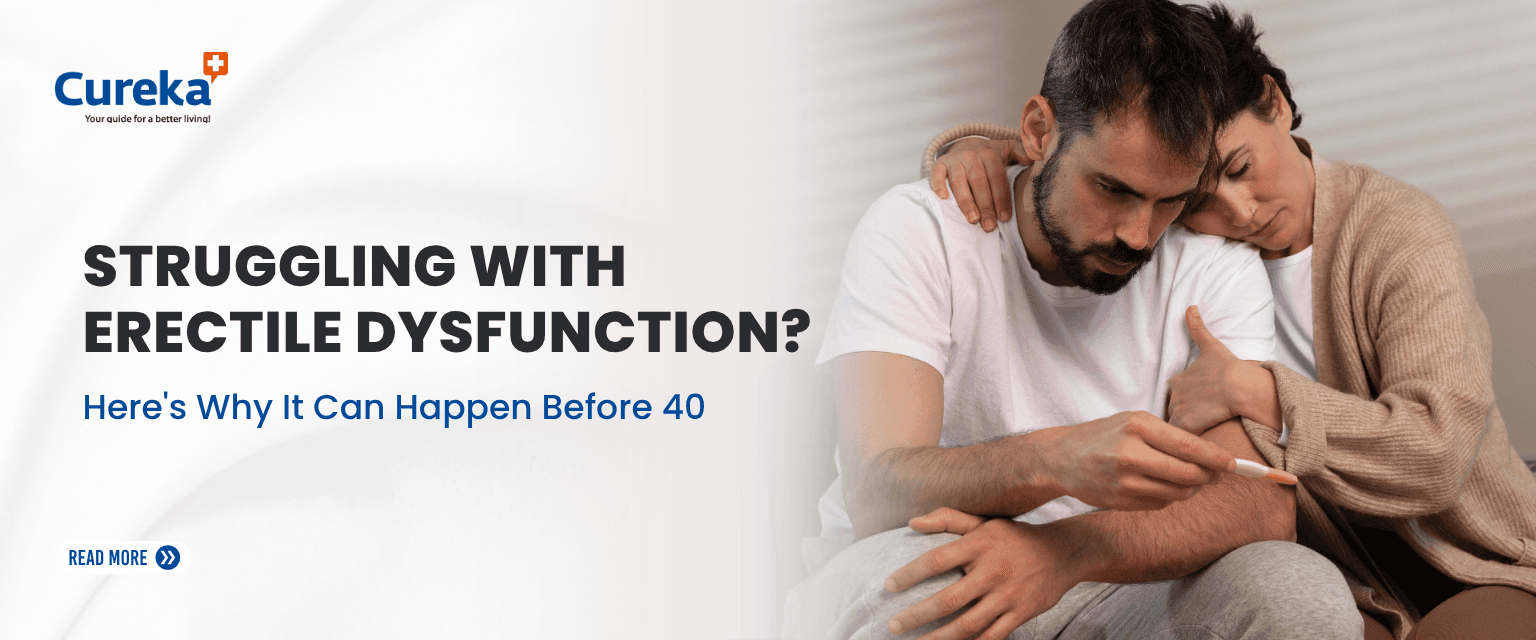
Erectile dysfunction (ED) isn’t just a concern for older men. Increasingly, men under 40 are experiencing it—and more often than you’d think. If you're in your 20s or 30s and dealing with ED, you're not alone, and more importantly, you're not stuck.
ED at a younger age can be frustrating, even alarming. But it can also be an early warning signal from your body—indicating physical imbalances, mental stress, or lifestyle issues that need attention.
The good news? ED is often reversible. With the right approach—focusing on preventive care, smarter habits, and science-backed support—you can improve performance, confidence, and long-term health.
What Is Erectile Dysfunction, Really?
Erectile Dysfunction refers to the inability to get or maintain an erection firm enough for sex. While occasional performance issues are common, persistent difficulties may signal underlying causes—some psychological, others physical.
And in younger men, ED is rarely "just in your head." It’s more often a complex combination of lifestyle habits, mental stress, and physiological factors.
So Why Is ED Happening Before 40?
Stress, Anxiety & Performance Pressure
Work deadlines, financial stress, relationship conflicts, even expectations around sex—all can trigger performance anxiety. This kind of stress activates your sympathetic nervous system, which directly hinders the body’s ability to maintain an erection.
Excessive Porn Use
Younger men today are more exposed to digital overstimulation than ever before. Over time, porn-induced ED can occur when the brain gets conditioned to unrealistic stimulation, making real-life intimacy feel less exciting.
Hormonal Imbalance & Low Testosterone
Your body needs healthy levels of testosterone to maintain sex drive and erection quality. Poor sleep, high cortisol (stress hormone), processed foods, and lack of exercise can reduce testosterone levels—even in men under 35.
Unhealthy Habits That Affect Blood Flow
ED is often an early sign of poor vascular health. Lifestyle choices that reduce blood circulation include:
Smoking
Alcohol overuse
High-sugar and high-fat diets
Physical inactivity
Poor sleep hygiene
ED Can Be Prevented—Here’s How
The best time to address ED is before it becomes a long-term concern. Prevention starts with simple yet effective changes to how you eat, sleep, move, and manage stress.
Focus on Blood Flow & Hormonal Balance
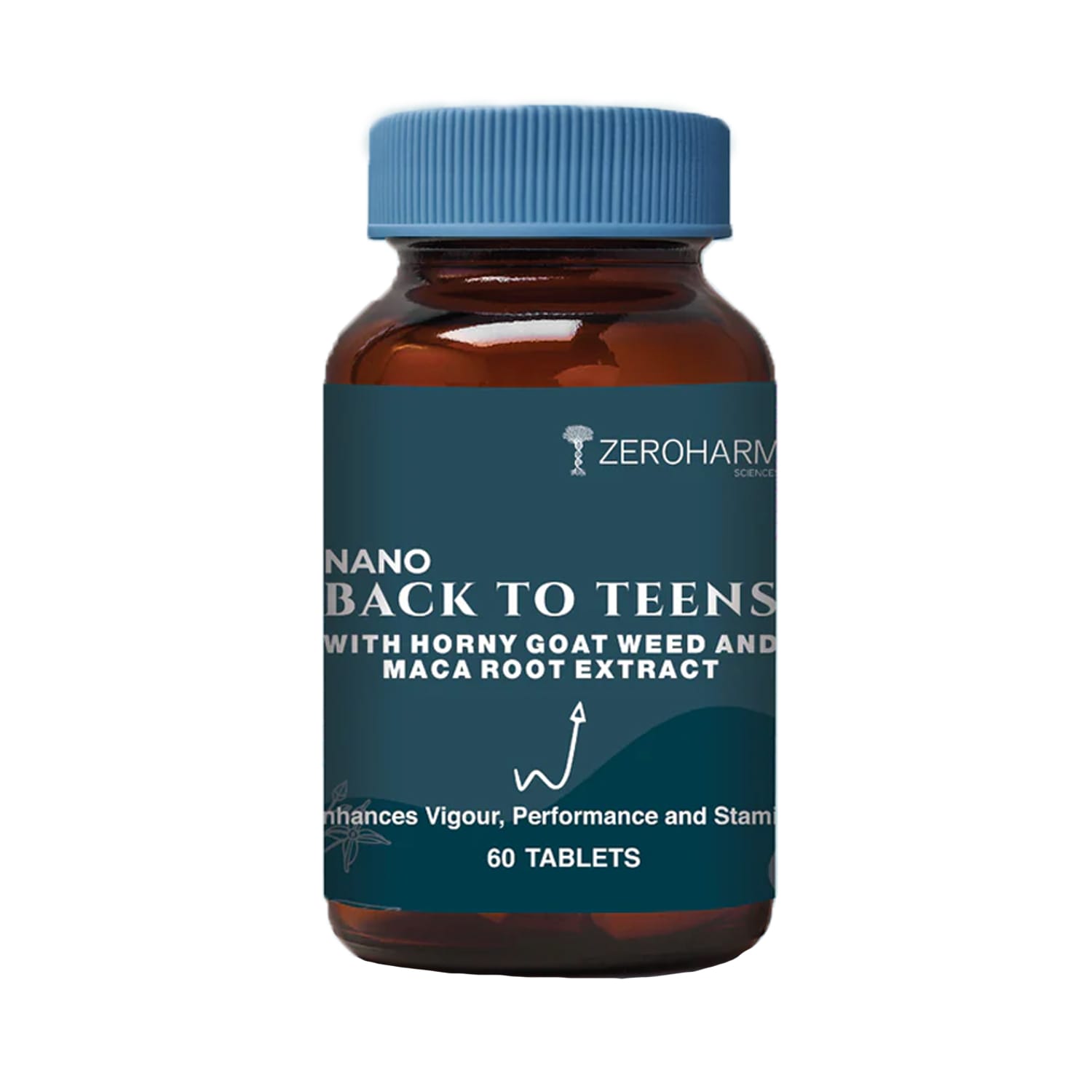
Strong erections rely on healthy circulation, balanced hormones, and proper nerve signaling. Nutritional supplements can help restore that balance, especially when combined with lifestyle changes.
Shilajit: A Trusted Ayurvedic Ingredient for Men’s Health
Found in the Himalayas and used for centuries in Ayurveda, Shilajit is rich in fulvic acid and minerals that support:
Natural testosterone production
Increased stamina and sexual performance
Enhanced fertility and sperm quality
Improved energy levels and recovery
Modern supplements featuring Shilajit are a popular choice for men looking to improve libido, energy, and vitality without synthetic hormones.
You'll find Shilajit-based formulas from top wellness brands in Cureka's Doctor curated collection designed to support your sexual wellness naturally.
Other Key Ingredients to Look For
Many effective ED supplements are powered by proven natural ingredients, such as:
L-Arginine & Citrulline – Boost nitric oxide to improve blood flow
Ashwagandha – Lowers stress and supports hormone health
Ginseng – Helps increase energy and enhance libido
Zinc & Vitamin D – Critical nutrients for testosterone synthesis
Manage Stress & Mental Fatigue
ED is often worsened by mental burnout. Try to:
Set screen-time limits and reduce digital distractions
Practice mindfulness or deep breathing techniques
Focus on emotional connection over sexual performance
In some cases, short-term therapy or performance coaching can also help reshape anxiety-related patterns.
Rebuild Healthy Lifestyle Habits
Exercise regularly—just 30 minutes a day improves circulation and testosterone
Quit smoking—even casual smoking impacts vascular health
Prioritize sleep—poor sleep lowers testosterone and increases cortisol
Eat clean—focus on whole grains, lean protein, and healthy fats
Cut Back on Porn Use
Taking a break from porn can reset your brain’s pleasure receptors, improve real-life arousal, and reduce dependency on visual stimulation.
Try a 30-day challenge and track how it affects your mood, energy, and performance.
Don’t Hesitate to Get Checked
If you’ve made changes and symptoms persist, speak to a doctor. You may need to rule out:
Hormonal issues (low testosterone, thyroid disorders)
Diabetes or prediabetes
High blood pressure or vascular concerns
Nutritional deficiencies (vitamin D, B12, zinc)
Early Testing Leads to Early Solutions.
If you’re already noticing signs of ED, early action is key to preventing further decline. Studies show that ongoing vascular strain, hormone imbalances, and performance anxiety can reinforce ED over time, making it harder to treat later. To prevent this progression, focus on improving blood flow through regular exercise, supporting testosterone with sleep and nutrition, reducing stress, and limiting high-risk habits like smoking or excessive porn use. These changes can help interrupt the cycle and improve long-term sexual function.
Conclusion:
Experiencing ED under 40 isn’t uncommon and it’s nothing to be ashamed of. In many cases, it’s your body’s way of asking for better care. And when you listen early, you set the stage for stronger performance, better health, and more fulfilling intimacy for years to come.
References:
Erectile dysfunction: causes, assessment and management options- 2022 Oct - https://pmc.ncbi.nlm.nih.gov/articles/PMC9584785/
Current diagnosis and management of erectile dysfunction - 2019 Jun - https://pubmed.ncbi.nlm.nih.gov/31099420/
Erectile dysfunction - 2017 Feb - https://pmc.ncbi.nlm.nih.gov/articles/PMC5027992/