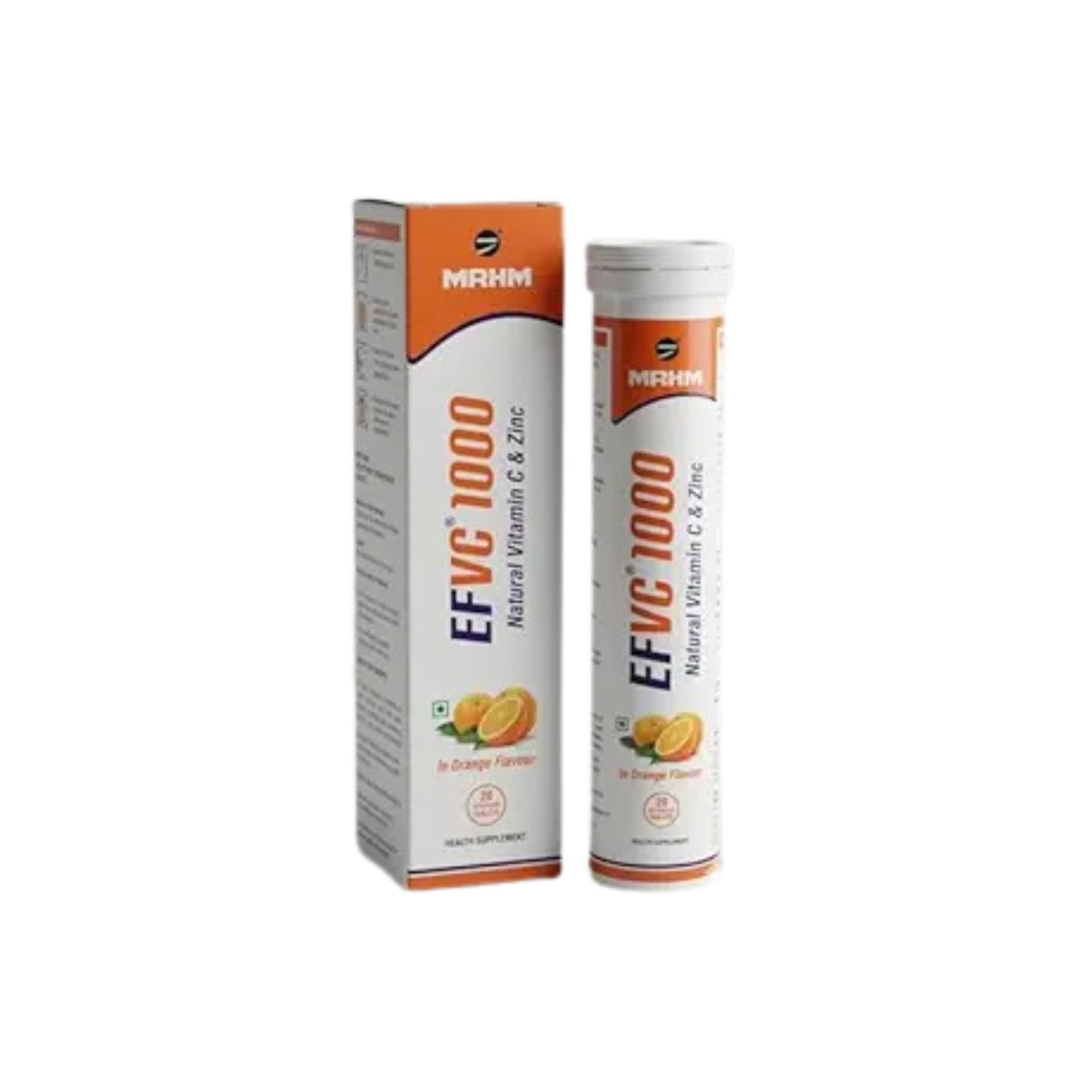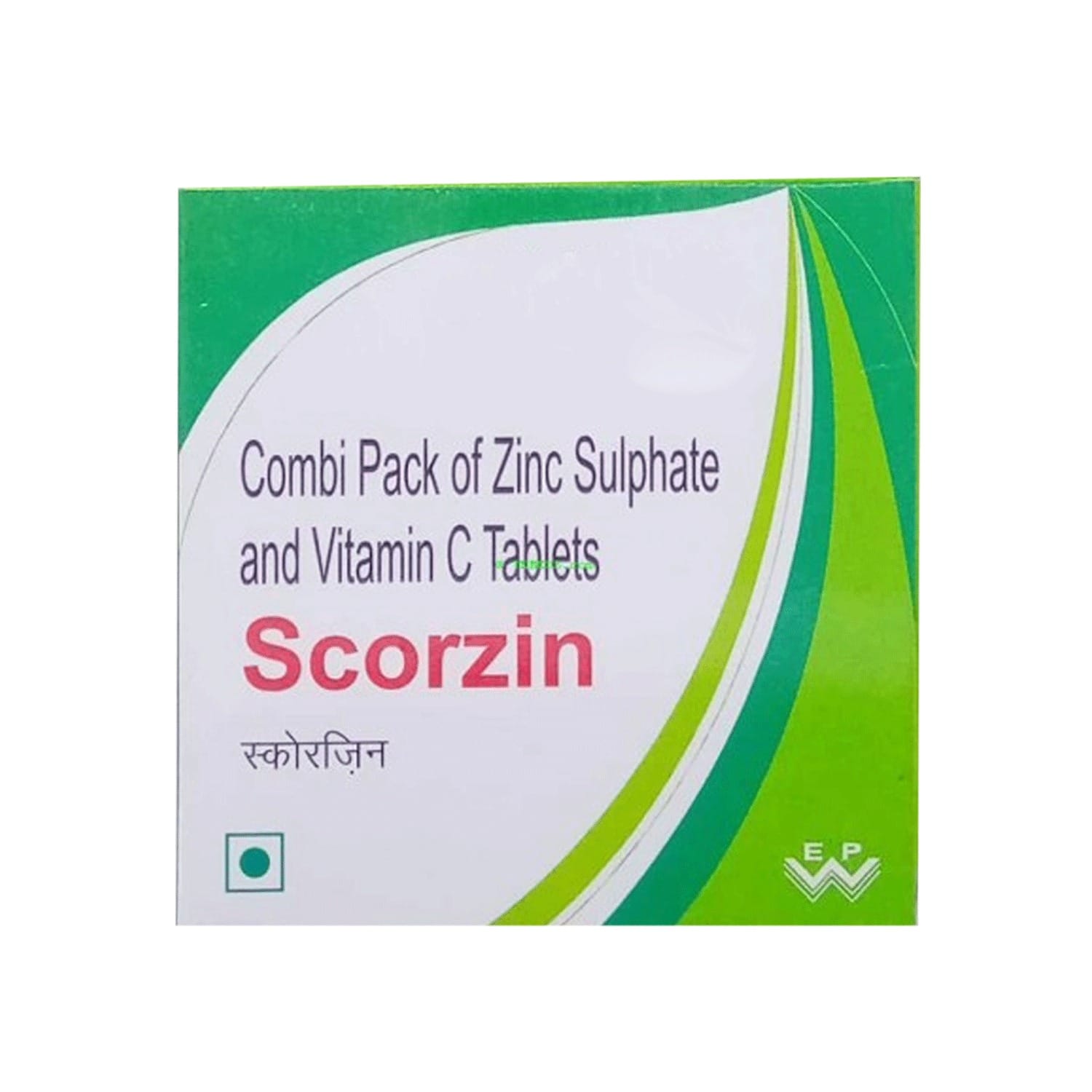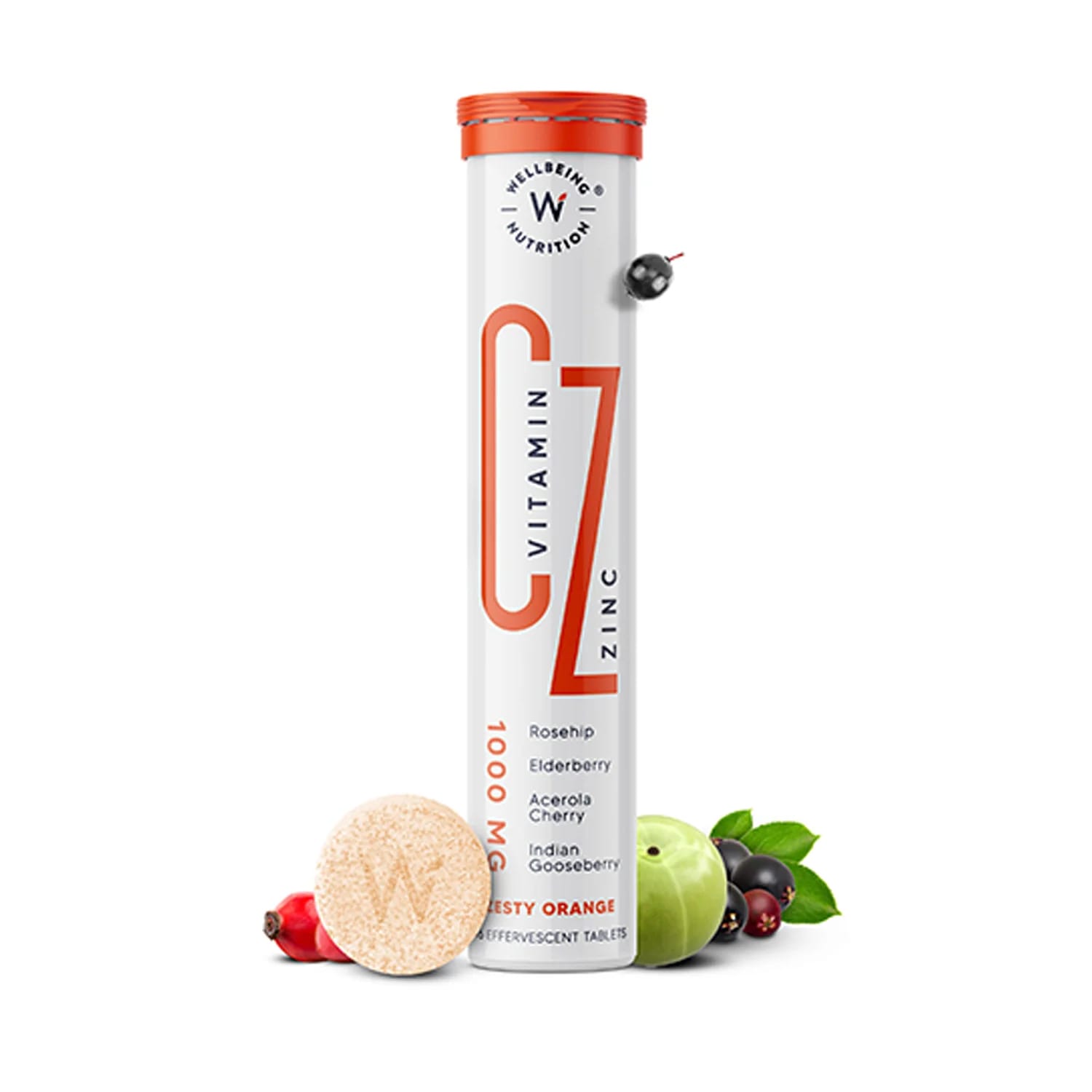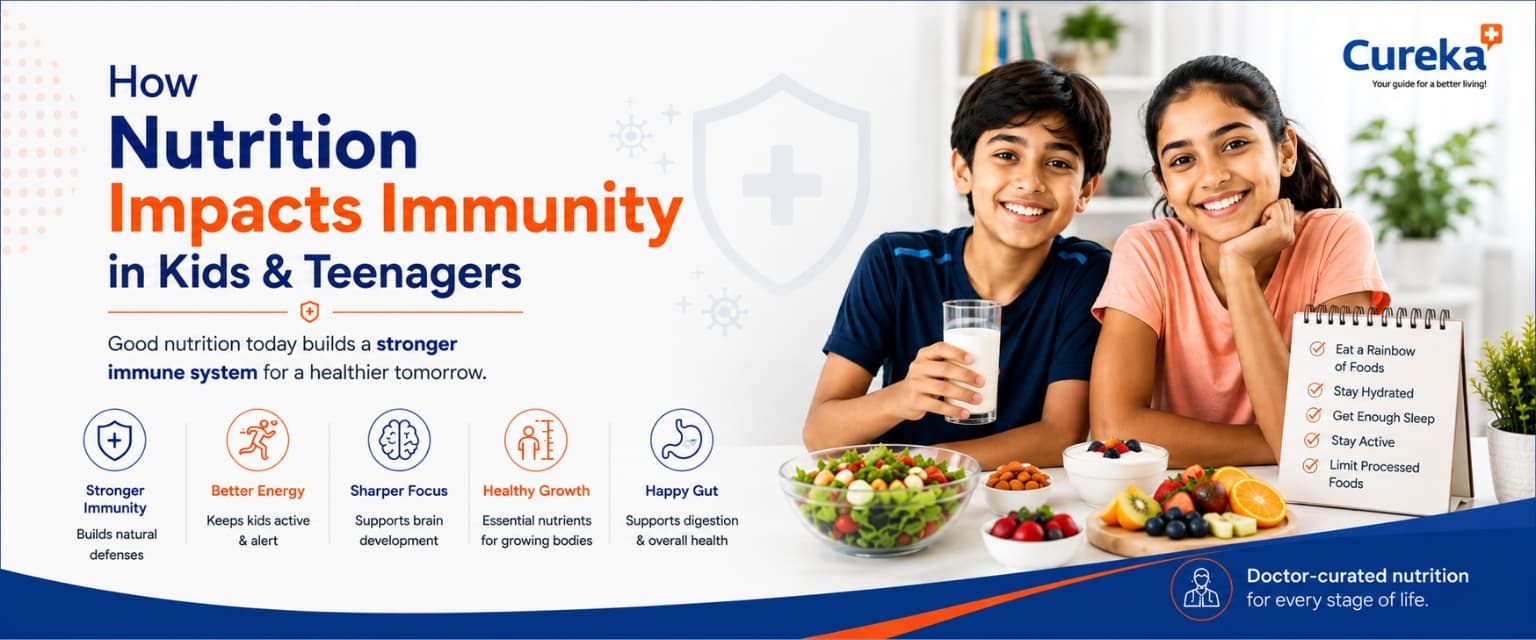




Looking for a simple yet powerful way to support your health every day? Making vitamin C part of your daily routine could be the key to unlocking stronger immunity. Known for its antioxidant properties and immune-supportive role, vitamin C is one of the most researched nutrients when it comes to maintaining overall wellness. Whether you're hoping to prevent infections or simply stay energized and resilient, the vitamin C benefits are hard to ignore.
From enhancing the function of white blood cells to protecting your skin against environmental damage, vitamin C immunity support works at multiple levels of the body. But are you getting enough? A high-quality vitamin C supplement can help fill any nutritional gaps, especially during times of stress or illness, when your body demands more of this crucial nutrient.
Daily intake of a vitamin C supplement not only fortifies your immune response but also contributes to better skin, reduced inflammation, and faster wound healing. If you’re not consistently consuming fruits and vegetables rich in vitamin C, supplements can help you experience all the vitamin C benefits your body craves. In short, prioritizing vitamin C immunity support is a smart move toward long-term wellness.
Why Vitamin C Is Crucial for Immune Health
Vitamin C (ascorbic acid) plays a vital role in strengthening both the innate and adaptive immune systems. It supports the production and function of white blood cells, enhances phagocytosis (the process by which immune cells destroy pathogens), and boosts your skin's defense barrier, your first line of protection against invading microbes.
Low levels of vitamin C are linked to impaired immunity and higher susceptibility to infections. In fact, during infections or periods of high stress, your body's demand for vitamin C increases significantly. That’s why ensuring consistent intake through food or a vitamin C supplement becomes essential.
Top Vitamin C Benefits You Should Know
The benefits of vitamin C go well beyond immune support:
Stronger Immunity: Supports production and function of T-cells and B-cells.
Healthy Skin: Promotes collagen synthesis and protects against UV-induced damage.
Faster Healing: Reduces inflammation and aids in tissue repair.
Heart Health: May lower LDL cholesterol and blood pressure.
Eye Support: Associated with a reduced risk of cataracts and macular degeneration.
These vitamin C benefits are most pronounced when your body receives optimal daily amounts either from diet or a reliable vitamin C supplement.
Natural Sources vs. Supplements
While fresh fruits and vegetables remain the best natural sources of vitamin C , think oranges, strawberries, kiwi, bell peppers, and broccoli , modern diets often fall short of providing enough.
This is where vitamin C supplements can help. They are especially beneficial for:
Individuals with limited fruit/veggie intake
Smokers or those exposed to pollutants
Older adults with reduced nutrient absorption
People under chronic physical or emotional stress
Look for vitamin C supplements with bioavailable forms like ascorbic acid, sodium ascorbate, or liposomal vitamin C for better absorption.
How Much Vitamin C Do You Really Need?
The Recommended Dietary Allowance (RDA) for adults is about 75 mg for women and 90 mg for men. However, studies show that higher intakes (100–200 mg/day) are more effective at saturating tissues and optimizing immunity.
For immune system support, especially during flu season or recovery from illness, some experts recommend up to 1000 mg/day from a vitamin C supplement but always under professional guidance.
Therapeutic Doses
In critically ill patients, higher doses of intravenous vitamin C (2–10 grams/day) have shown promising results in reducing inflammation, improving organ function, and even lowering mortality in sepsis cases.
What’s Missing in Our Daily Routine?
Modern lifestyles are full of immunity-draining habits:
Skipping meals or relying on processed, nutrient-poor foods
Lack of fresh fruits and vegetables in the diet
Poor sleep quality
Exposure to toxins from air, water, and packaged foods
Long hours of screen time with minimal physical movement
High levels of emotional stress
All of these factors can suppress immune function and increase oxidative stress, leading to faster aging, more frequent infections, and lower energy.
When to Consider a Vitamin C Supplement
You may want to add a vitamin C supplement to your routine if you:
Often catch colds or feel run-down
Have a limited diet lacking in fresh produce
Have high oxidative stress (e.g., from smoking or pollution)
Are recovering from surgery or illness
Want to improve skin health and collagen production
Taking a vitamin C supplement with meals can improve iron absorption from plant-based foods, which is an added bonus for vegetarians and vegans. If you are looking for vegan immunity choices choose health etc immunity gummy , which is rich in vitamin C, antioxidants and also sugar free.
Best Practices for Taking a Vitamin C Supplement
Stay Hydrated: Since vitamin C is water-soluble, it’s best absorbed when you're well-hydrated.
Split the Dose: Taking smaller doses twice a day may be more effective than one large dose.
Watch for Side Effects: High doses may cause gastrointestinal discomfort in some people. Start low and adjust based on tolerance.
Be Consistent: Daily intake is key. Skipping doses reduces the effectiveness of vitamin C immunity support.
Reduce stress: Vitamin C is depleted rapidly during stress, so manage anxiety with breathwork, walks, or a digital detox.
Get restful sleep: Your body repairs itself during sleep. Pairing good sleep with adequate vitamin C amplifies your immune recovery.
Conclusion:
Adding vitamin C to your daily routine is one of the simplest ways to support a resilient immune system, healthier skin, and overall vitality. Whether through whole foods or a vitamin C supplement, consistent intake ensures you're always giving your body what it needs to defend and repair itself.