


High blood pressure, or hypertension, is often called the “silent killer”—and for good reason. While millions worldwide suffer from it, many don’t know they have it until it causes serious health issues. But even more concerning is the fact that blood pressure (BP) can fluctuate without any noticeable symptoms. These silent shifts may go undetected for years, quietly increasing your risk of heart disease, stroke, or kidney failure.
In this blog, we’ll explore why home blood pressure monitoring is crucial, how silent hypertension can go unnoticed, and the various BP variability causes you need to understand—especially if you’re young and healthy but still at risk.
The Growing Burden of Hypertension
Globally, hypertension ranks third among the six major risk factors contributing to cardiovascular disease. The impact is profound—not just in older populations but increasingly among young adults. Studies between 2017 and 2021 show a troubling trend: rising hypertension in young people, especially those who smoke, consume alcohol, eat salty diets, live sedentary lifestyles, or are obese.
More subtly, social and educational disparities—like illiteracy, health ignorance, or cultural gender bias—also raise the risk. These trends highlight a fundamental problem: people may feel fine but still be hypertensive. And when hypertension presents no obvious symptoms, it can be dangerously easy to ignore.
What Is Silent Hypertension?
Silent hypertension refers to high blood pressure that presents no visible symptoms, yet can damage the body over time. Many discover they have it only after experiencing a major event like a heart attack or stroke. The absence of symptoms leads people to skip routine check-ups or assume they’re healthy because they “feel fine.”
But the reality is stark: even without symptoms, elevated BP can silently damage your heart, blood vessels, eyes, and kidneys (1). This is especially concerning because BP variability—the natural rise and fall of your blood pressure over time—can mask the condition entirely unless it’s monitored consistently.
What Is Blood Pressure Variability?
Blood pressure (BP) isn’t a fixed number — it naturally rises and falls throughout the day. This fluctuation, called blood pressure variability (BPV), can be influenced by physical activity, stress, sleep, meals, and even posture. While some variability is normal, excessive or unpredictable changes in BP can be a red flag for underlying health issues.
Types of BP Variability
Short-term variability – Occurs within minutes or hours, often due to daily activities.
Day-to-night variation – A dip during sleep is normal. If BP doesn’t drop (non-dipping), it may indicate cardiovascular risk.
Visit-to-visit variability – Long-term fluctuation between clinical visits, often overlooked in routine care.
BP Variability: Normal or Alarming?
It’s normal for your blood pressure to change throughout the day. It fluctuates due to various factors like:
Physical activity or exercise
Emotional stress or anxiety
Diet and salt intake
Alcohol or caffeine consumption
Body position (sitting vs. standing)
Sleep deprivation or fatigue
Smoking
Even without overt triggers, some individuals experience substantial variations—referred to as labile hypertension. Historically, this term described BP that hovered around the 140/90 mmHg mark, moving in and out of the “hypertensive” range. Today, it represents BP that experiences dramatic swings without necessarily being at consistently high levels.
While occasional fluctuations are expected, persistent or wide-ranging variability can be harmful. Studies suggest that higher BP variability may increase the risk of cardiovascular events independently of average BP levels.(2)
Why You Might Not Notice It
One of the most dangerous aspects of BP fluctuations is how stealthy they can be. You might have normal readings at your doctor’s office but experience elevated BP at home, work, or during sleep—a phenomenon known as masked hypertension.
Conversely, white coat hypertension occurs when BP spikes in clinical settings due to anxiety, making it seem worse than it is. Both types of BP behavior make diagnosis and management tricky, especially if you’re only relying on occasional clinic visits.
That’s where home blood pressure monitoring (HBPM) comes in.
The Role of Home Blood Pressure Monitoring (HBPM)
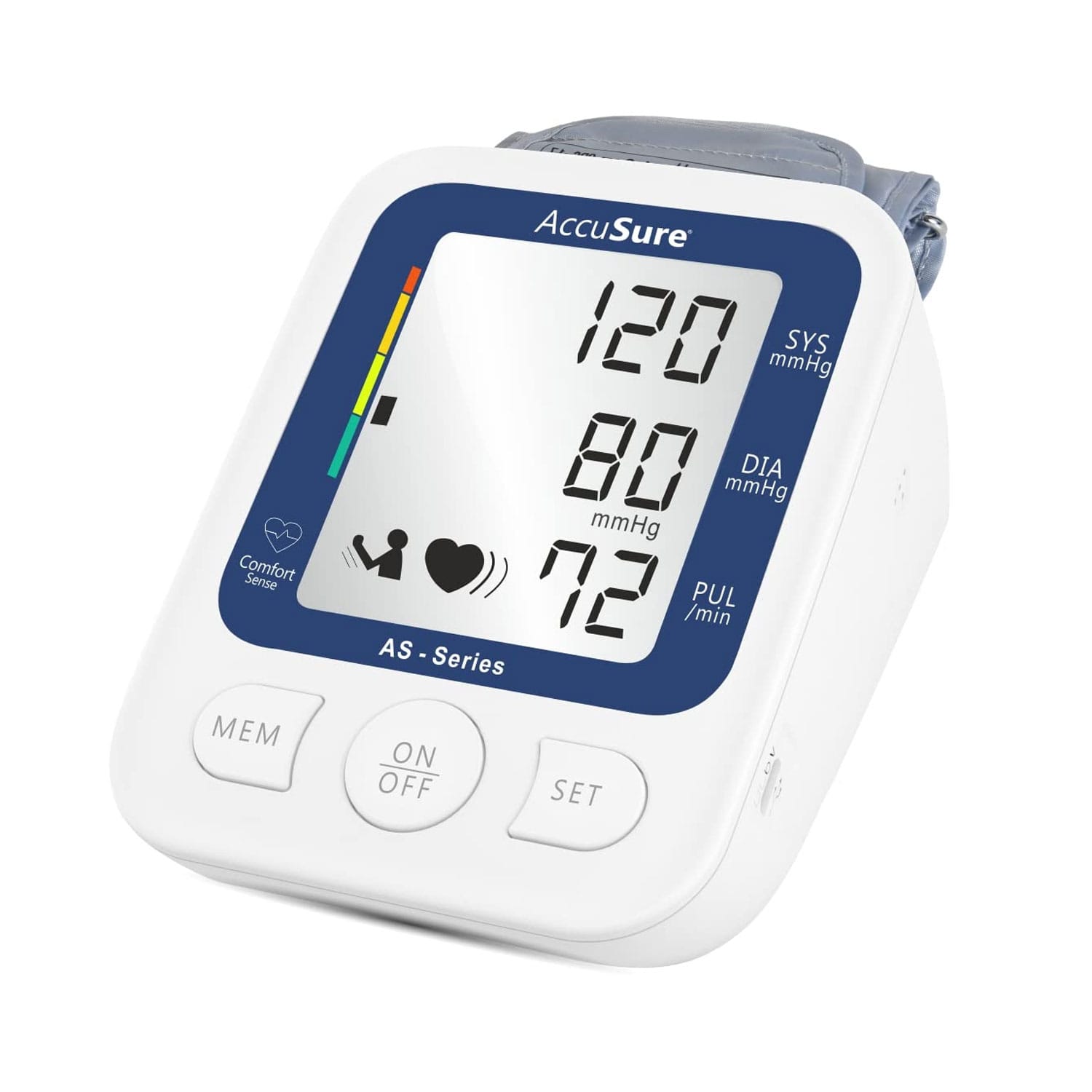
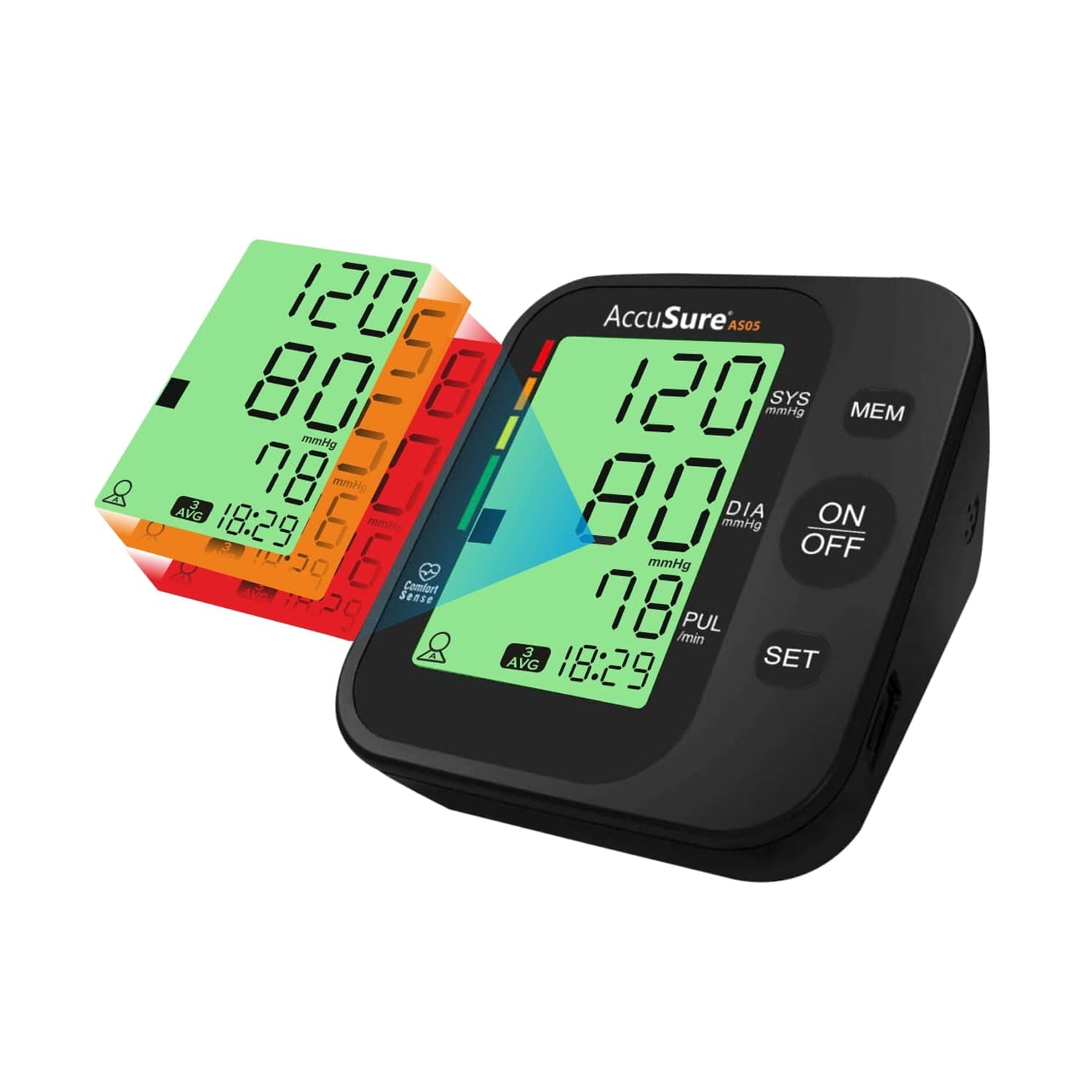
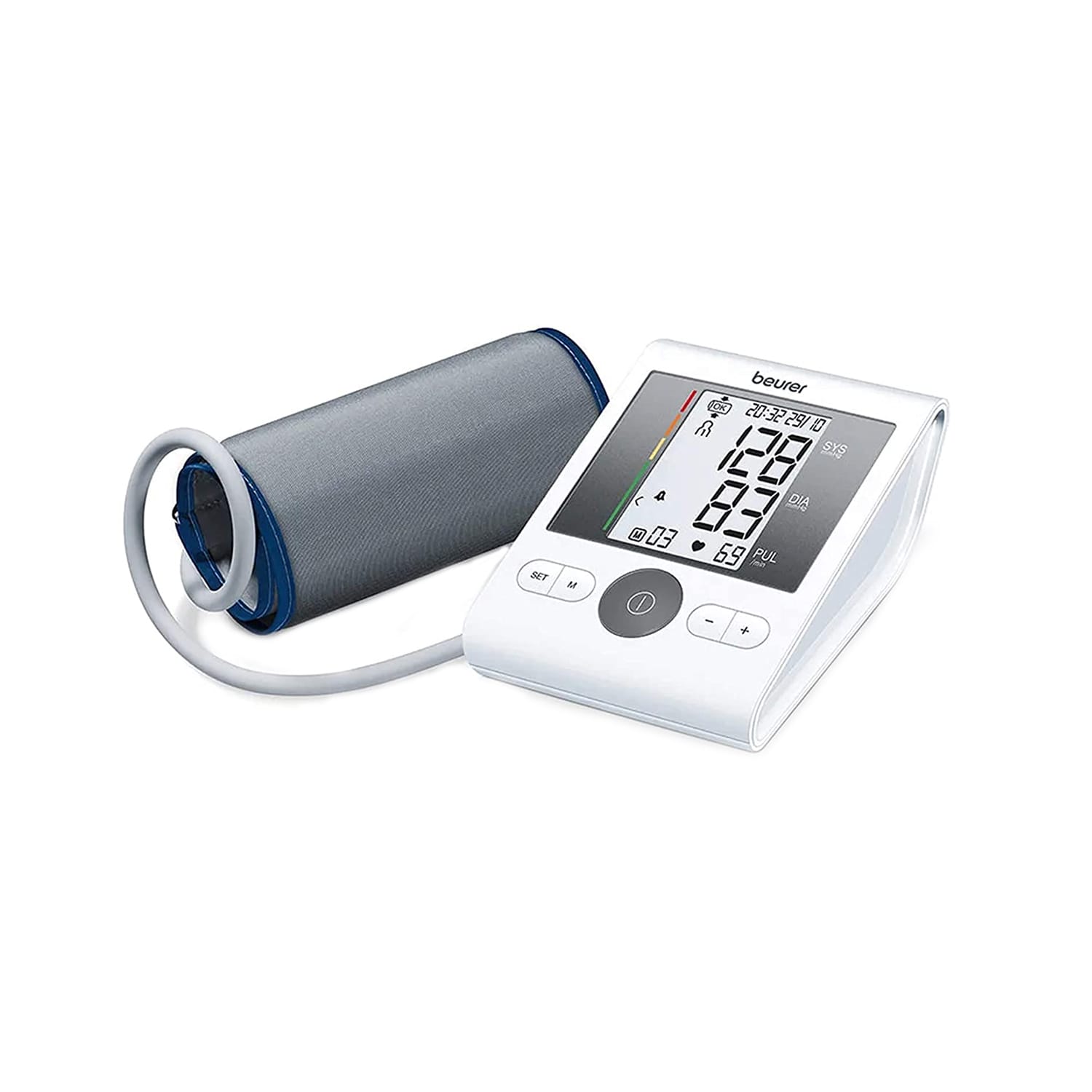
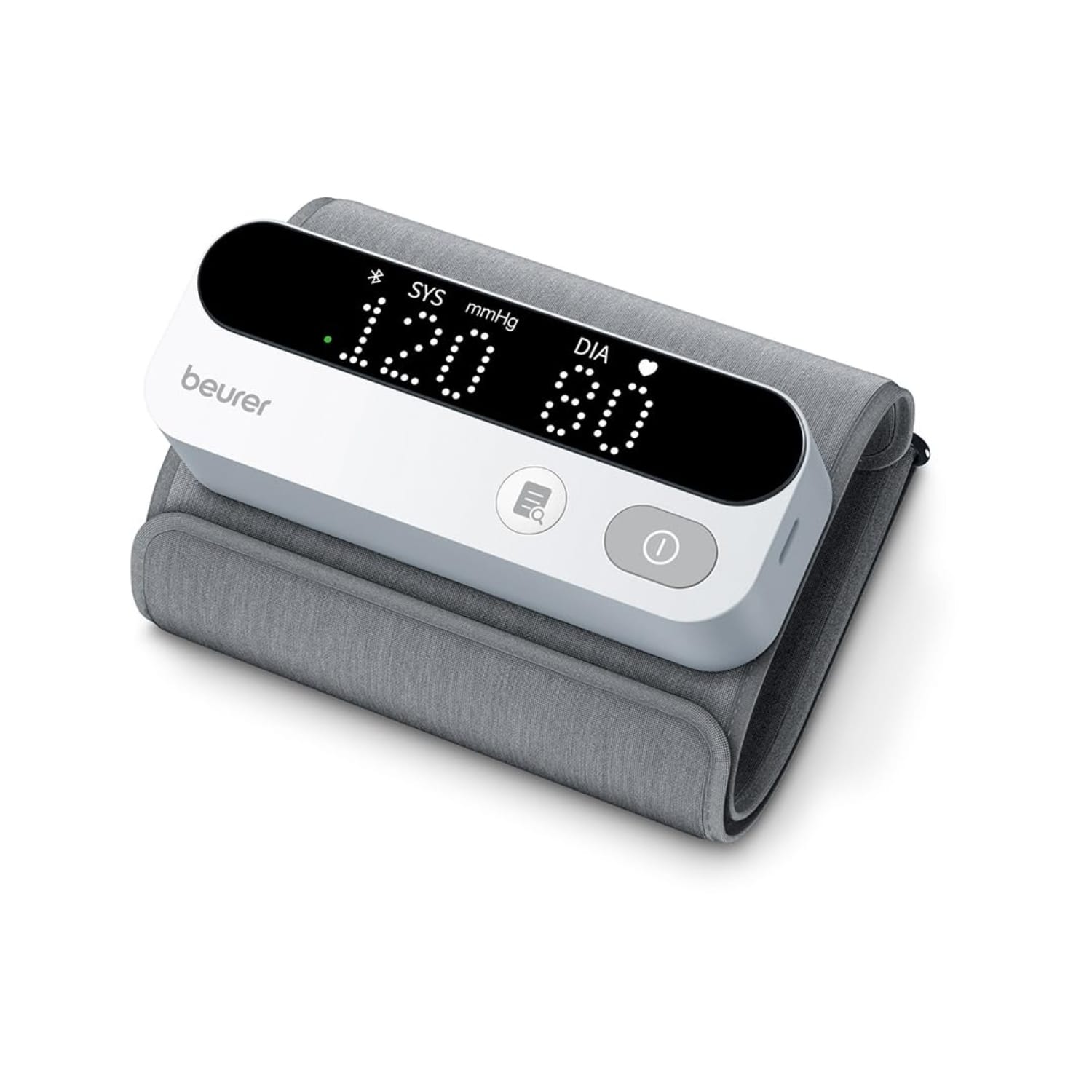
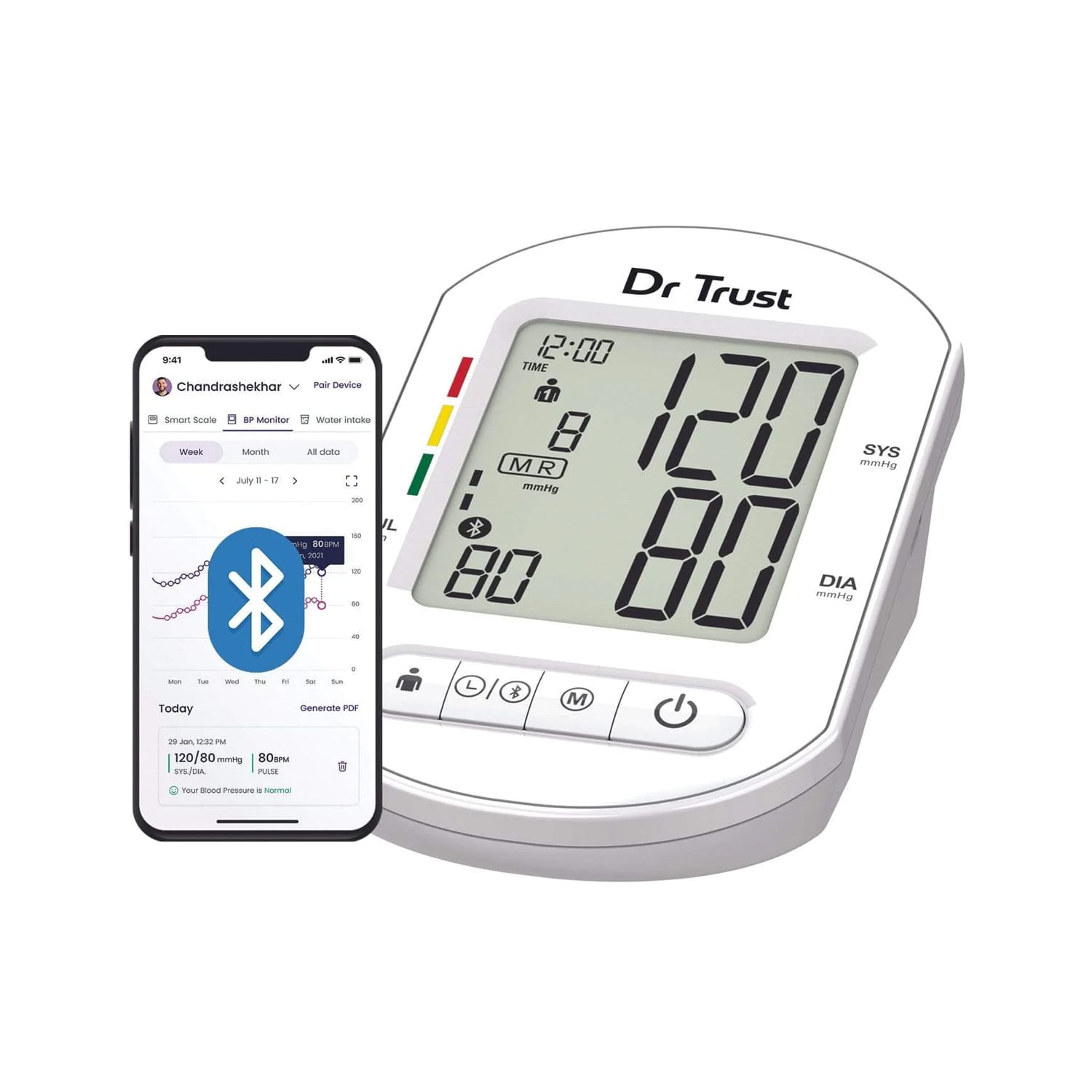
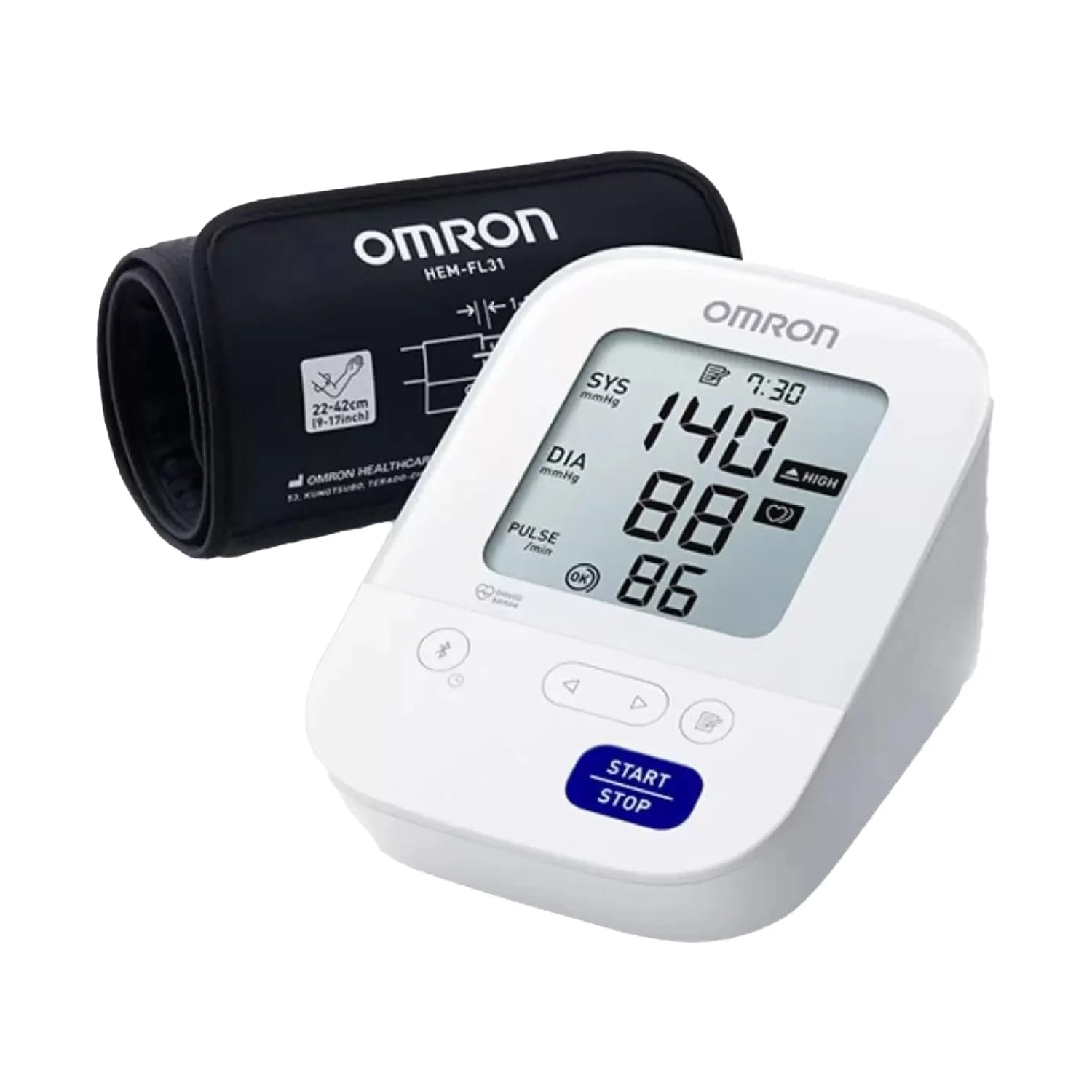
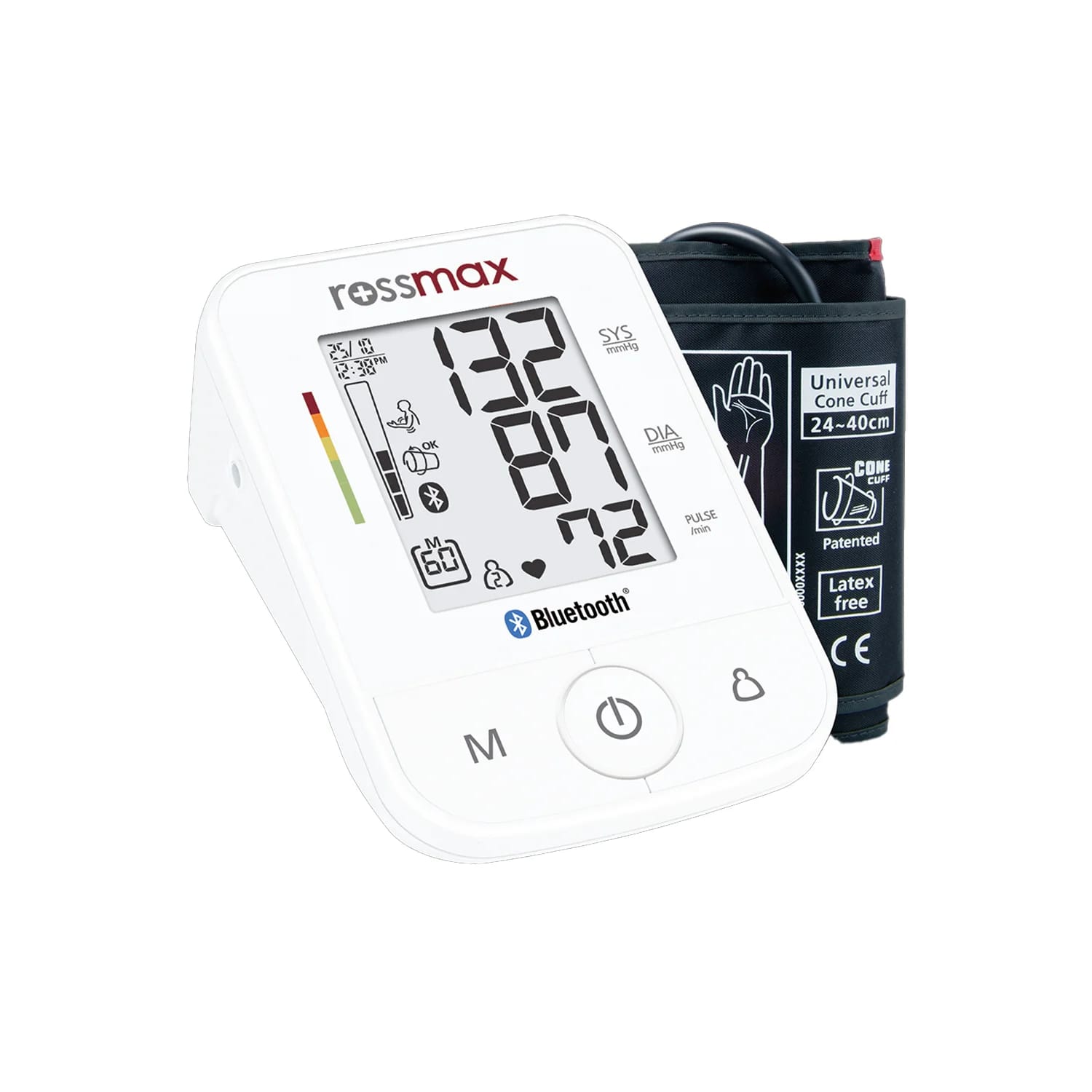
To detect and manage hypertension effectively, especially when it’s silent or variable, experts recommend regular home blood pressure monitoring. HBPM allows for:
Tracking day-to-day or week-to-week BP variability
Identifying masked or white coat hypertension
Reducing anxiety-related reading distortions
Improving hypertension awareness and medication adherence
Helping doctors fine-tune your treatment plan
Unlike clinic readings or one-off checks, HBPM provides a fuller, more accurate picture of your real-world blood pressure trends.
How to Monitor Correctly at Home:
Measure BP twice daily—once in the morning and once in the evening
Take three readings per session, 1 minute apart
Continue for at least 7 days for reliable results
Sit calmly for 5 minutes before measuring
Avoid caffeine, smoking, or exercise 30 minutes before readings
This schedule closely mimics results obtained through Ambulatory Blood Pressure Monitoring (ABPM)—a method using a wearable device that checks BP throughout the day and night.
Why Young Adults Should Pay Attention
It’s a common myth that hypertension is only a concern for older adults. In fact, research shows that young people who develop high BP often have higher levels of risk factors than older age group. (3). Some of the risk factors including:
Cigarette smoking
Poor diet and excessive salt intake
Obesity and high cholesterol
Physical inactivity
Alcohol use
These individuals also tend to have lower awareness and are less likely to get screened regularly. That’s why silent hypertension in young adults is often underrecognized and underdiagnosed.
National programs like India’s NPCDCS (National Programme for Prevention and Control of Cancer, Diabetes, Cardiovascular Diseases, and Stroke) aim to address this issue. But meaningful change starts with personal responsibility: monitor your health, even if you’re not showing symptoms.
What Causes BP Variability?
While some variability is expected, excessive swings may be driven by:
Stress and anxiety
Poor sleep or sleep apnea
Fluctuations in medication levels
Short-acting antihypertensive drugs
Alcohol or stimulant use
Irregular diet or fasting
Lack of exercise or overexertion
Even the type of antihypertensive medication can affect BP variability. Drugs with longer half-lives may provide more stable control compared to short-acting ones. Newer studies are exploring whether certain medications reduce BP fluctuations better—and whether that correlates with greater cardiovascular protection.
When to Seek Medical Help
If your HBPM readings frequently exceed 140/90 mmHg, or if you notice significant day-to-day swings—even without symptoms—it’s time to talk to a healthcare professional. While lifestyle changes are crucial, you may still need medication to control and stabilize your BP.
Be especially cautious if you also have:
A family history of hypertension or heart disease
Diabetes or prediabetes
High cholesterol
Obesity
Chronic stress or poor sleep patterns
These compounding factors raise your cardiovascular risk significantly, making BP monitoring even more essential.
To Conclude, Prevention Begins at Home with Cureka
Silent hypertension and BP fluctuations are real—and dangerous. Just because you don’t “feel” sick doesn’t mean your blood pressure is under control. The smartest thing you can do for your long-term heart and brain health is to take BP monitoring into your own hands.
Start by getting a reliable, validated home blood pressure monitor. Order now at Cureka. Follow a consistent measurement routine. Share your readings with your doctor. Most importantly, don’t wait for symptoms to act—because by the time symptoms appear, damage may already be underway.
In the battle against hypertension, awareness and consistency are your best allies. And that battle begins, quite literally, at home.
References:
The Clinical Spectrum of Labile Hypertension: A Management Dilemma- 2009 Jul – https://pmc.ncbi.nlm.nih.gov/articles/PMC8673041/#:~:text=Despite%20this%2C%20labile%20BP%20elevation,managing%20this%20common%20clinical%20dilemma.
Blood Pressure Variability as a Risk Factor for Cardiovascular Disease: Which Antihypertensive Agents Are More Effective? – 2023 Sep – https://pmc.ncbi.nlm.nih.gov/articles/PMC10573370/#sec7-jcm-12-06167
Risk Factors Associated With Hypertension in Young Adults: A Systematic Review – 2023 Apr- https://pmc.ncbi.nlm.nih.gov/articles/PMC10181897/#sec3