


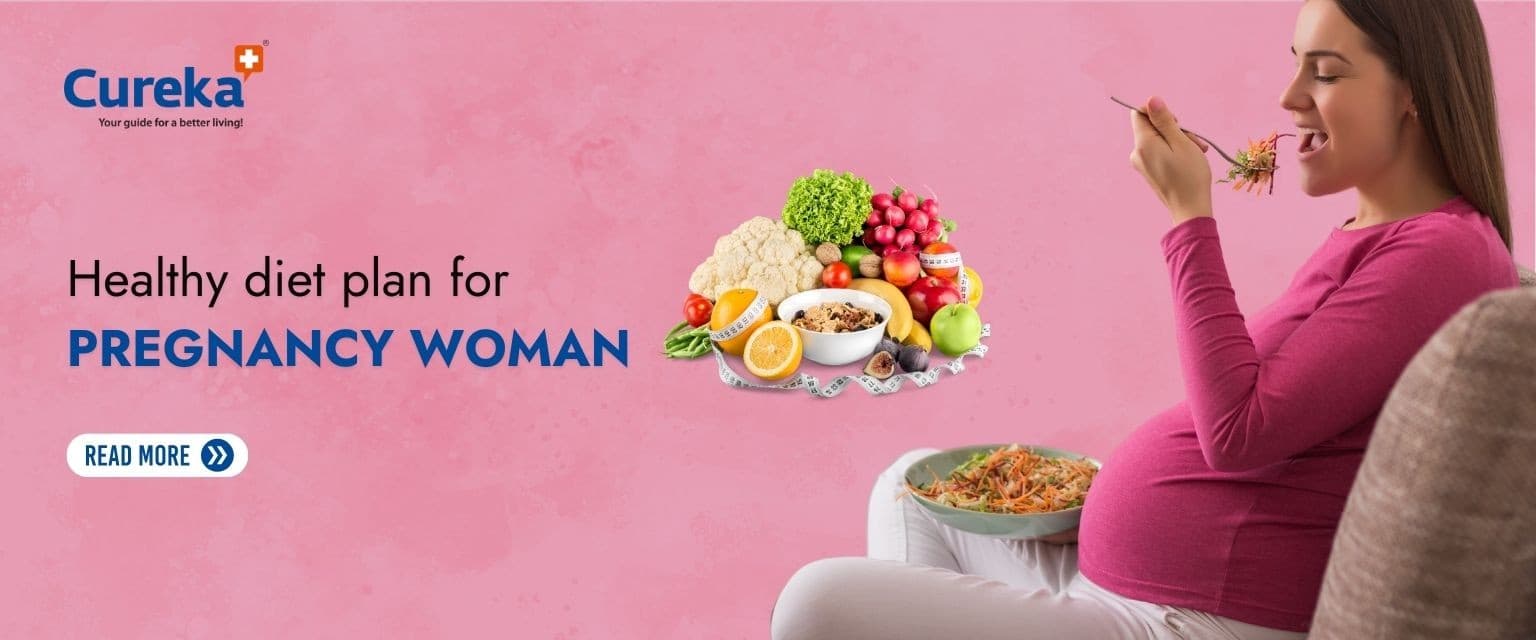
A balanced and nutritious diet during pregnancy is crucial for the well-being of both the mother and her developing baby. In India, where diverse food cultures offer a rich variety of nutrient-dense options, a pregnancy diet can be both healthy and delicious. Let’s explore how to ensure the intake of essential nutrients through commonly available Indian foods to support a healthy pregnancy.
Key Nutrients for Pregnancy
Protein: Essential for the growth and repair of body tissues, protein supports the baby's development and helps in maintaining the mother's muscle mass.
Sources: Lentils (dal), chickpeas, paneer (cottage cheese), lean meats like chicken and fish, and eggs.
Iron
Sources: Spinach (palak, moringa), fenugreek (methi), jaggery (gur), lentils, fruits, fortified cereals, red meat, goat spleen, organ meat like liver, shellfish (like clams and oysters), and sardines.
Calcium
Sources: Milk, curd, paneer, eggs, ragi (finger millet), almonds, sesame seeds (til), green leafy vegetables, sardines, tofu, and fortified plant-based milk.
Folic Acid: Vital for preventing neural tube defects in the baby, folic acid is one of the most critical nutrients in the first trimester.
Sources: Oranges, spinach, legumes, and fortified grains like atta (whole wheat flour).
Omega-3 Fatty Acids: Essential for brain and eye development of the baby.
Sources: Flaxseeds, chia seeds, walnuts, and fish like salmon.
Fiber: Helps manage constipation, a common issue during pregnancy.
Sources*: Whole grains like brown rice, bajra (pearl millet), jowar (sorghum), oats, and fruits like guava and apple.
Vitamins: Vitamins like Vitamin A, C, D, and B-complex play various roles, from supporting the immune system to enhancing iron absorption.
Sources: Carrots, amla (Indian gooseberry), mango, citrus fruits, and fortified dairy products.
Essential Foods for Pregnant Women
Fruits and Vegetables
Why: Rich in vitamins, minerals, and antioxidants, fruits and vegetables should be a staple in every pregnancy diet.
Examples: Bananas, apples, oranges, pomegranates, and green leafy vegetables like spinach and kale. Carrots and beets are also excellent for boosting iron levels.
Whole Grains
Why: Provide long-lasting energy and are packed with fiber, B-vitamins, and important minerals like magnesium.
Examples: Whole wheat (atta), brown rice, oats, and quinoa. Millet varieties like bajra and jowar are also beneficial for their high nutrient content.
Dairy Products
Why: Dairy is an excellent source of calcium, protein, and vitamin D, which support bone health for both the mother and the baby.
Examples: Milk, curd (yogurt), paneer, and ghee (in moderation) provide a good mix of nutrients.
Legumes
Why: Legumes are plant-based powerhouses that provide protein, fiber, iron, folate, and calcium, all essential during pregnancy.
Examples: Lentils (dal), chickpeas (chana), black-eyed peas (lobia), and kidney beans (rajma).
Nuts and Seeds
Why: These are great for snacking and are loaded with omega-3 fatty acids, protein, and fiber.
Examples: Almonds, walnuts, flaxseeds, chia seeds, and sunflower seeds.
Lean Proteins
Why: Protein is essential for the baby’s development, particularly in building tissues and muscles.
Examples: Chicken, fish (low in mercury), eggs, and tofu for vegetarians.
Sample Balanced Diet Chart for Pregnant Women
Here's a balanced diet chart for pregnant ladies that can guide daily food intake:
Meal
Food Group
Breakfast
Whole Grains, Fruits
Mid-Morning Dairy, Fruits
Lunch
Lean Protein, Vegetables
Snack
Healthy Fats, Fruits
Dinner Lean Protein, Whole Grains
Evening Snack Dairy, Healthy Fats
Foods to Avoid During Pregnancy
While nutrient-rich diet is important, there are certain foods that pregnant women should avoid:
Raw or Undercooked Meat, Fish, and Eggs
These foods can carry harmful bacteria like Salmonella or Listeria, which can cause food poisoning.
Unpasteurized Dairy Products
These may contain harmful bacteria that can lead to infections, so it’s best to opt for pasteurized versions of milk and cheese.
Caffeine
Excessive caffeine intake has been linked to complications such as low birth weight. Limit intake to less than 200 mg per day (about one cup of coffee).
Processed and Junk Foods
These foods are high in unhealthy fats and sugars and provide little nutritional value. They can also contribute to unnecessary weight gain during pregnancy.
Alcohol
There is no safe level of alcohol consumption during pregnancy, as it can lead to fetal alcohol syndrome and other developmental issues.
Staying Hydrated
Hydration is critical during pregnancy to support blood flow, amniotic fluid levels, and digestion. Pregnant women should aim to drink at least 8-10 glasses of water daily. In addition, including hydrating foods like cucumber, watermelon, and citrus fruits can also help maintain fluid balance.
Prenatal Supplements
While a balanced diet is the foundation of good health during pregnancy, supplements may also be necessary to ensure adequate intake of key nutrients like folic acid, iron, and calcium. Pregnant women should consult with their healthcare provider to determine the appropriate supplements based on their individual needs.
The Role of Protein Powder
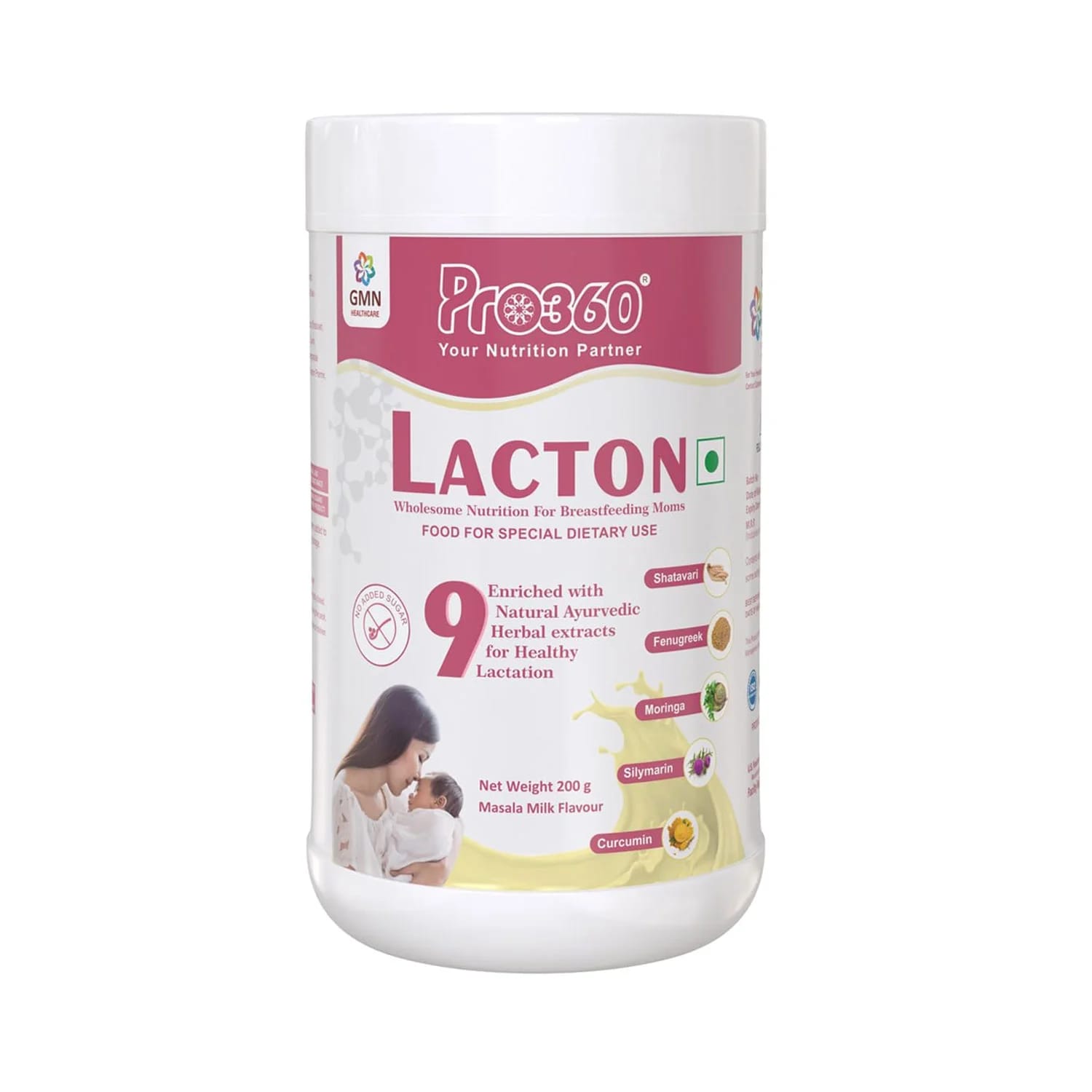
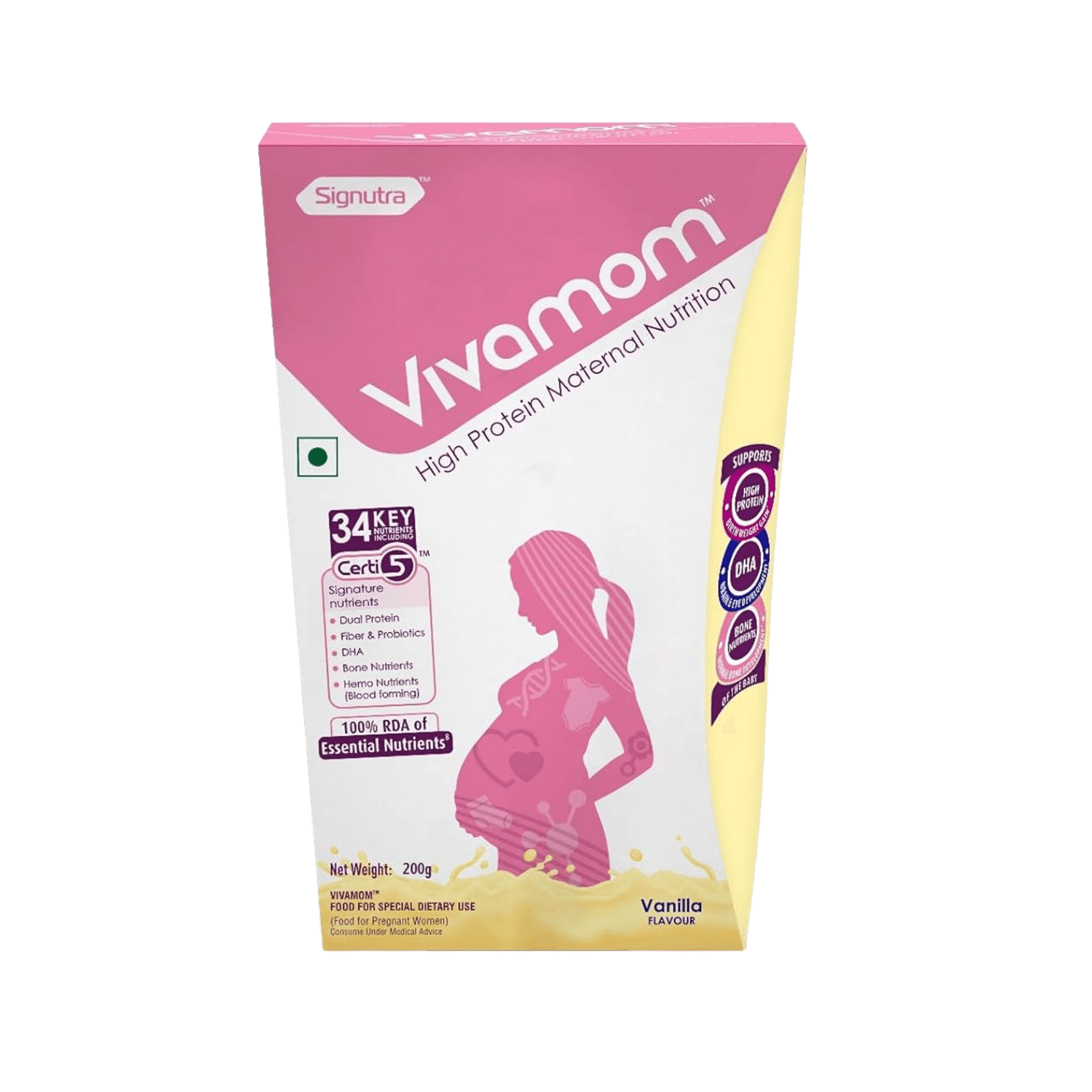
In addition to essential vitamins and minerals, protein powders can be a valuable supplement for pregnant women, especially those struggling to meet their daily protein needs through food alone. Protein is critical for the baby’s growth, particularly in the second and third trimesters, when development accelerates. Opting for high-quality, pregnancy-safe protein powders—such as those made from whey, pea, or soy protein—can help ensure adequate intake without excess sugars or artificial additives.
Conclusion
A healthy diet during pregnancy doesn’t have to be complicated or restrictive. By focusing on a variety of nutrient-dense, traditional Indian foods like whole grains, lentils, fruits, vegetables, and dairy, pregnant women can ensure that both they and their babies receive the nutrition they need. Maintaining a well-balanced diet, staying hydrated, and avoiding certain foods will help promote a healthy pregnancy and a thriving baby. Always consult with your healthcare provider to tailor your diet to your specific needs.
References:
Diet in pregnancy—more than food - 2017 Nov - https://www.ncbi.nlm.nih.gov/pmc/articles/PMC5682869/
Nutrient Requirements during Pregnancy and Lactation - 2021 Feb - https://www.ncbi.nlm.nih.gov/pmc/articles/PMC7926714/