


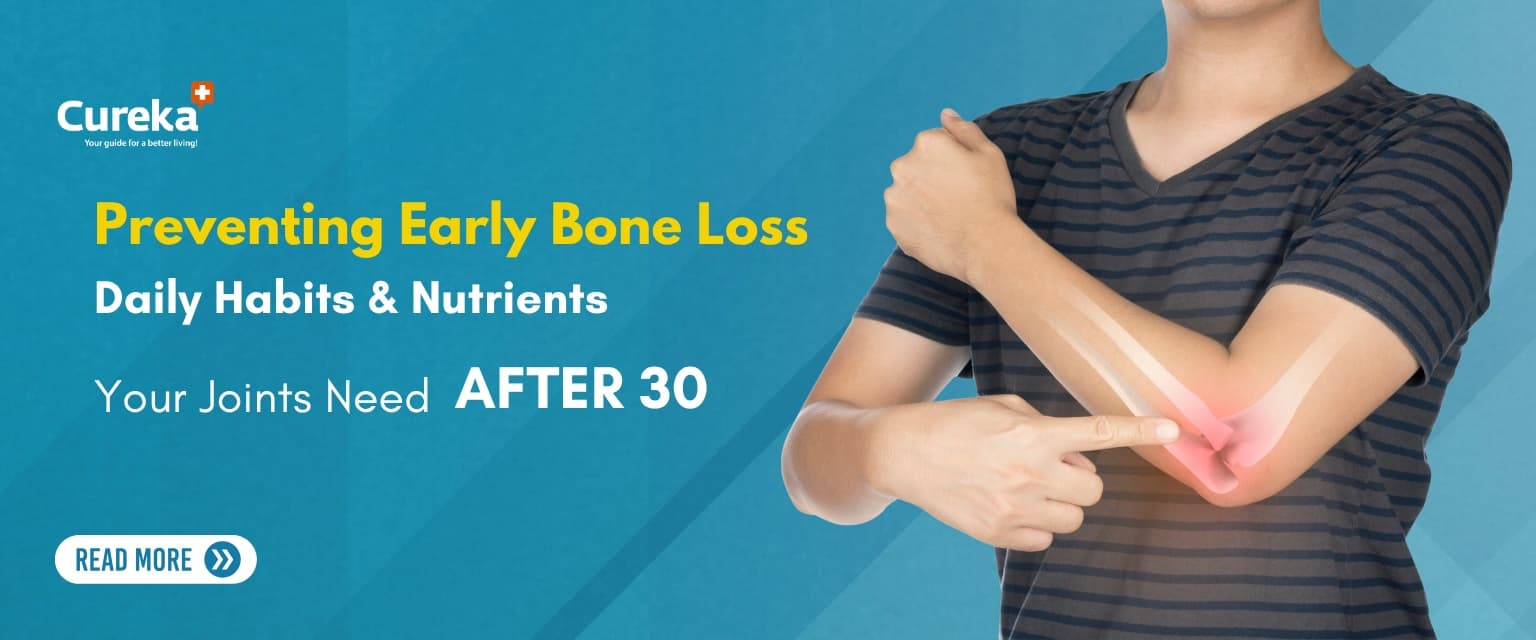
Your 30s might feel too early to worry about bones; but it's the most crucial time to prevent bone loss. After peak bone mass is reached around age 30, a gradual decline begins, often without symptoms. This can lead to bone density issues like osteopenia or osteoporosis later in life.
The good news? Daily habits combined with key bone health supplements can make a long-term difference.
Why Bone Health After 30 Matters?
Bone health after 30 isn’t just about preventing fractures; it's about maintaining strength, mobility, and independence. As you age, bone remodeling slows due to declining hormones, particularly estrogen and testosterone. Without proper nutrition and activity, this leads to bone density reduction.
Adding bone health supplements and joint health supplements to your routine, along with dietary and lifestyle changes, can support both your skeletal structure and overall joint function.
Essential Daily Habits to Support Bone and Joint Health
Stay Active with Bone-Stimulating Workouts
Weight-bearing exercises like strength training, walking, and yoga stimulate bones to retain bone density [1]. These also enhance joint mobility and muscle strength, reducing injury risks.
Get Regular Sun Exposure
Sunlight triggers vitamin D production, which helps in calcium absorption. Just 15 minutes daily helps, but if that’s not feasible, opt for bone health supplements that include vitamin D.
Prioritize Sleep
Quality sleep (7–8 hours) supports hormonal balance and tissue repair - both critical for bone density improvement [2].
Limit Alcohol and Quit Smoking
Both habits are linked to lower bone density and higher fracture risk. Reducing these improves overall bone health after 30.
Nutrients That Help Prevent Bone Loss
Calcium Tablets
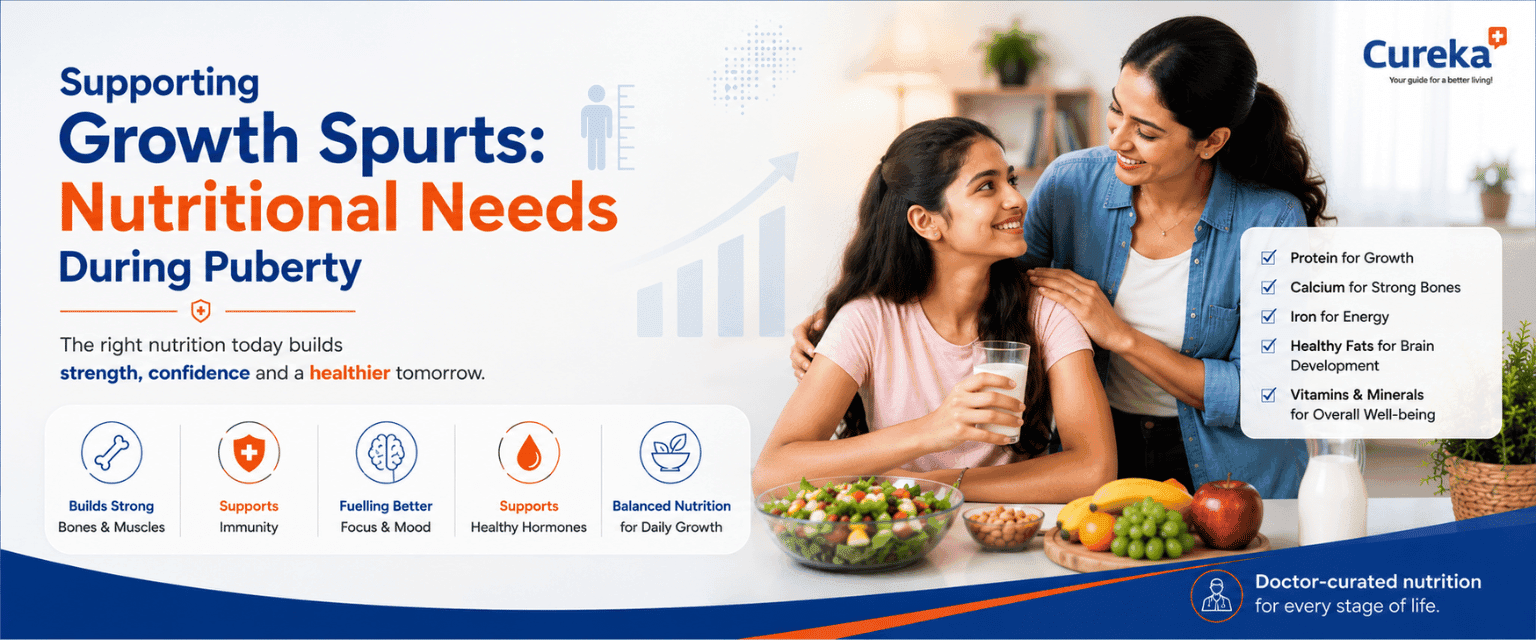
Calcium is the most vital mineral for bone structure [3]. If your diet lacks dairy or greens, calcium tablets can fill the gap. They’re often the foundation of many bone health supplements.
Vitamin D
It helps your body absorb calcium effectively. Most bone health supplements combine vitamin D with calcium tablets to ensure better results.
Magnesium & Zinc
Magnesium supports calcium metabolism, while zinc helps stimulate bone-building cells. Both are common in bone health supplements for a reason.
Vitamin B6
B6 plays a role in collagen formation and supports calcium absorption.
Collagen & Glucosamine
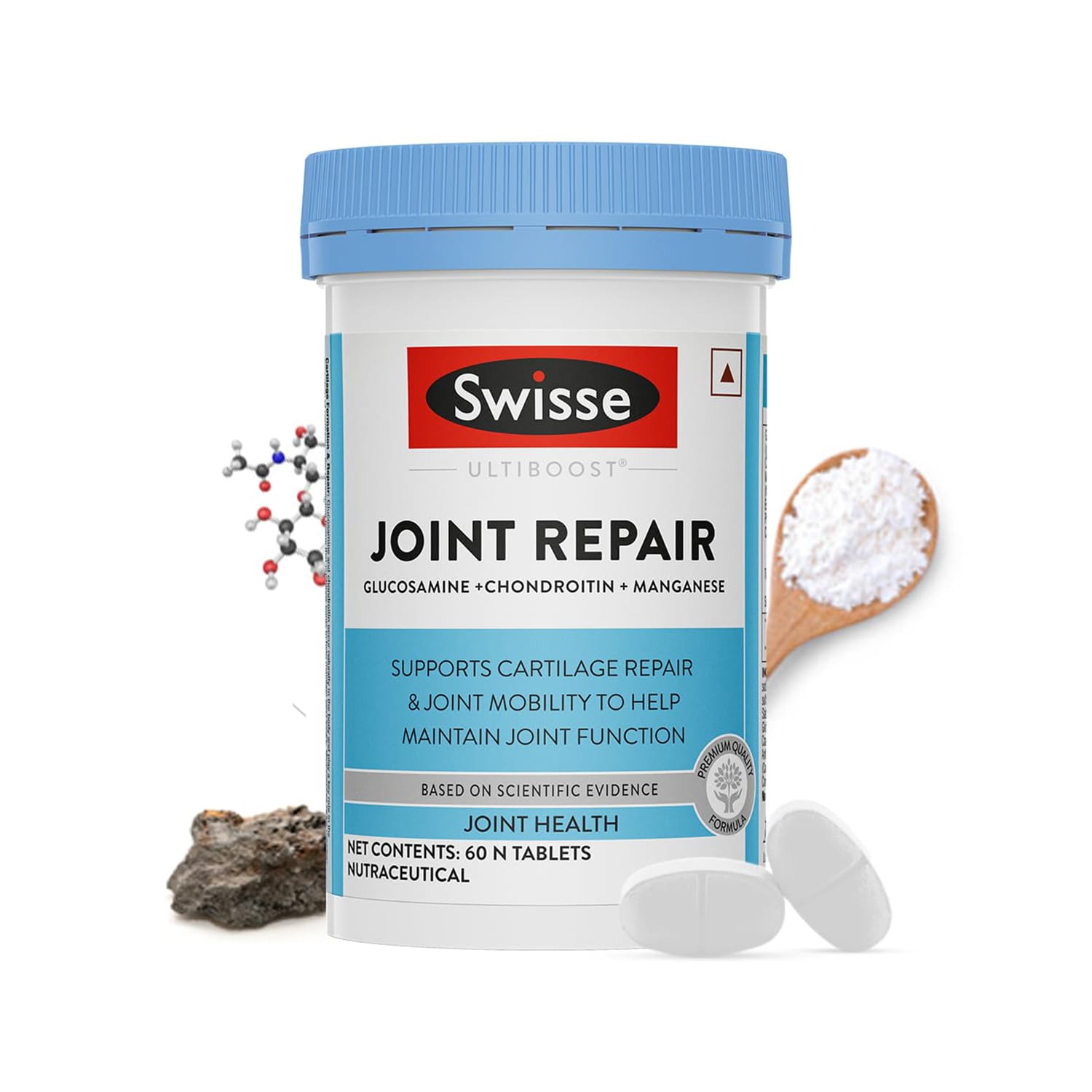
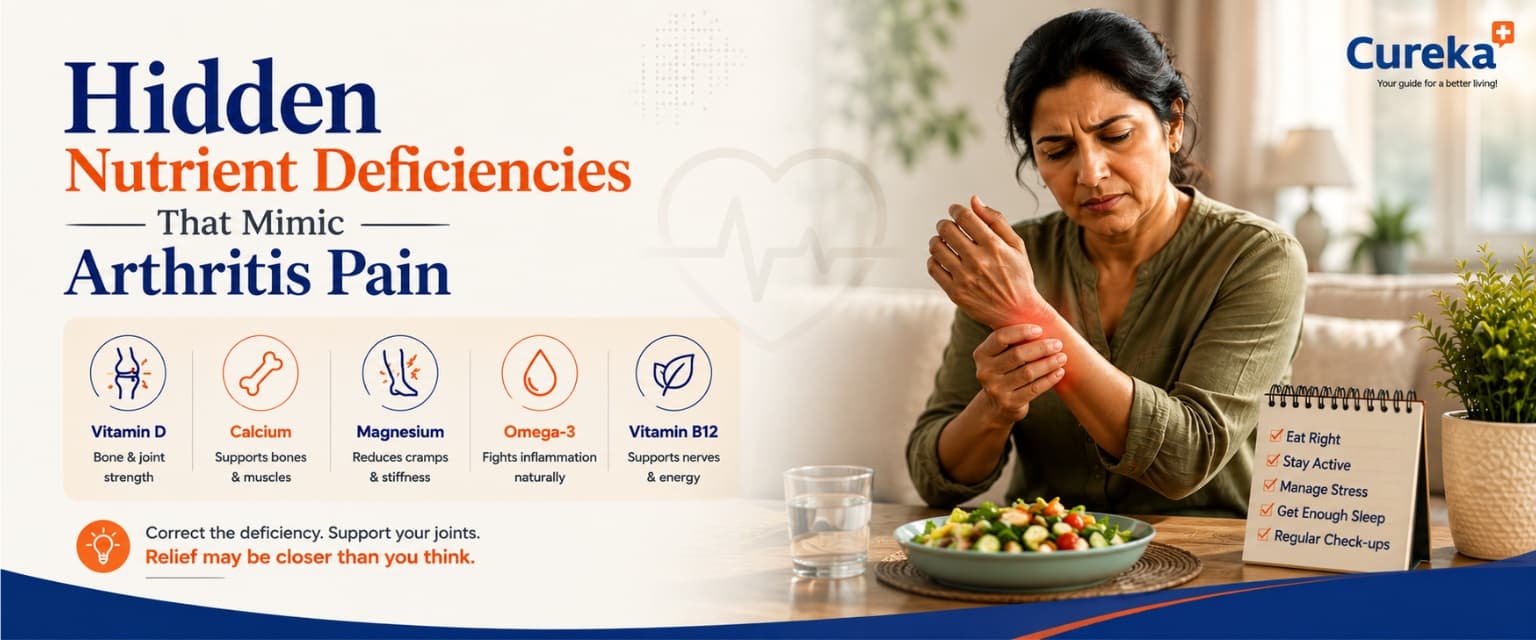
These are often included in joint health supplements. Collagen supports bone matrix strength, and glucosamine aids in cartilage health, especially beneficial for those with joint stiffness or pain [4].
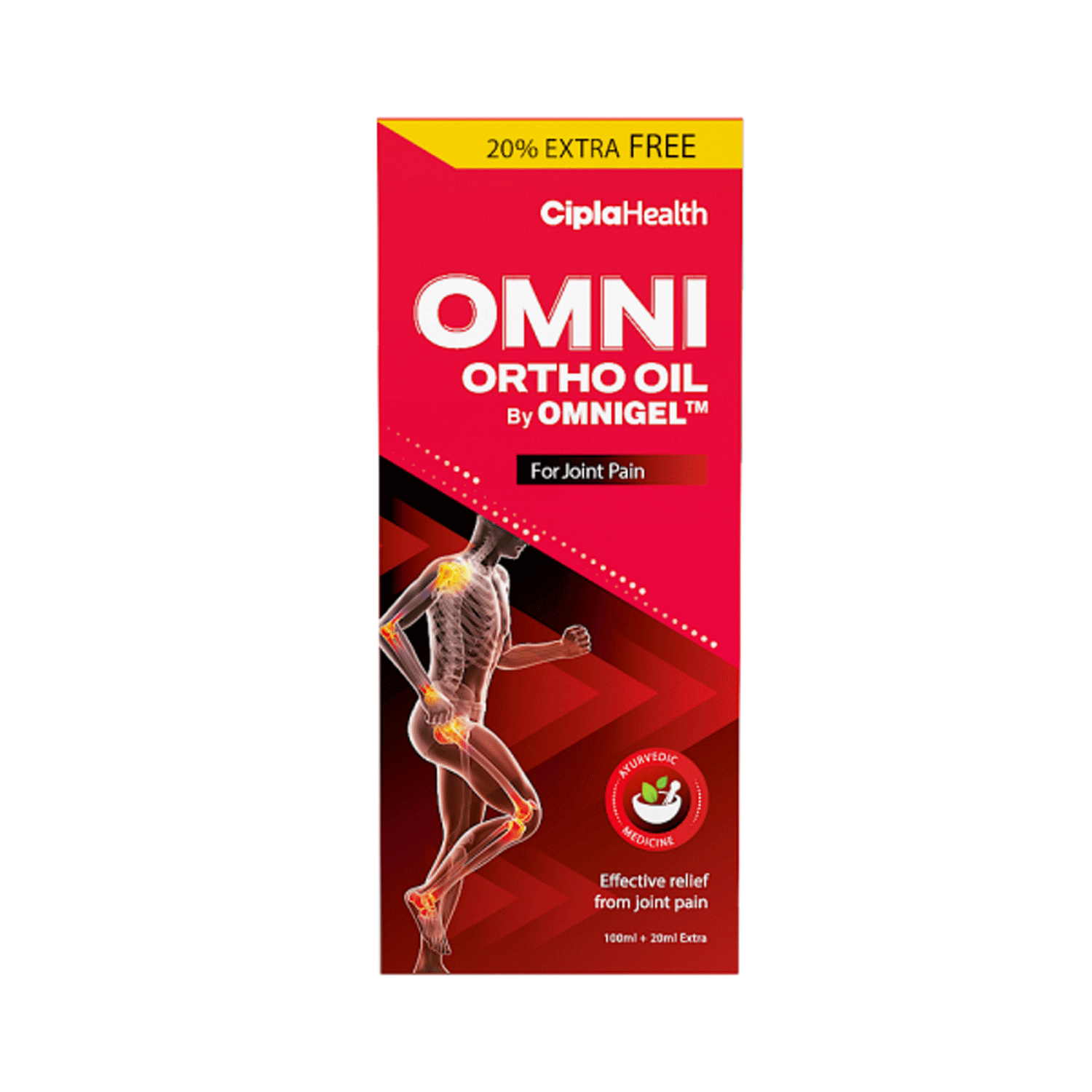
Chondroitin Sulphate & Methylsulfonylmethane (MSM)
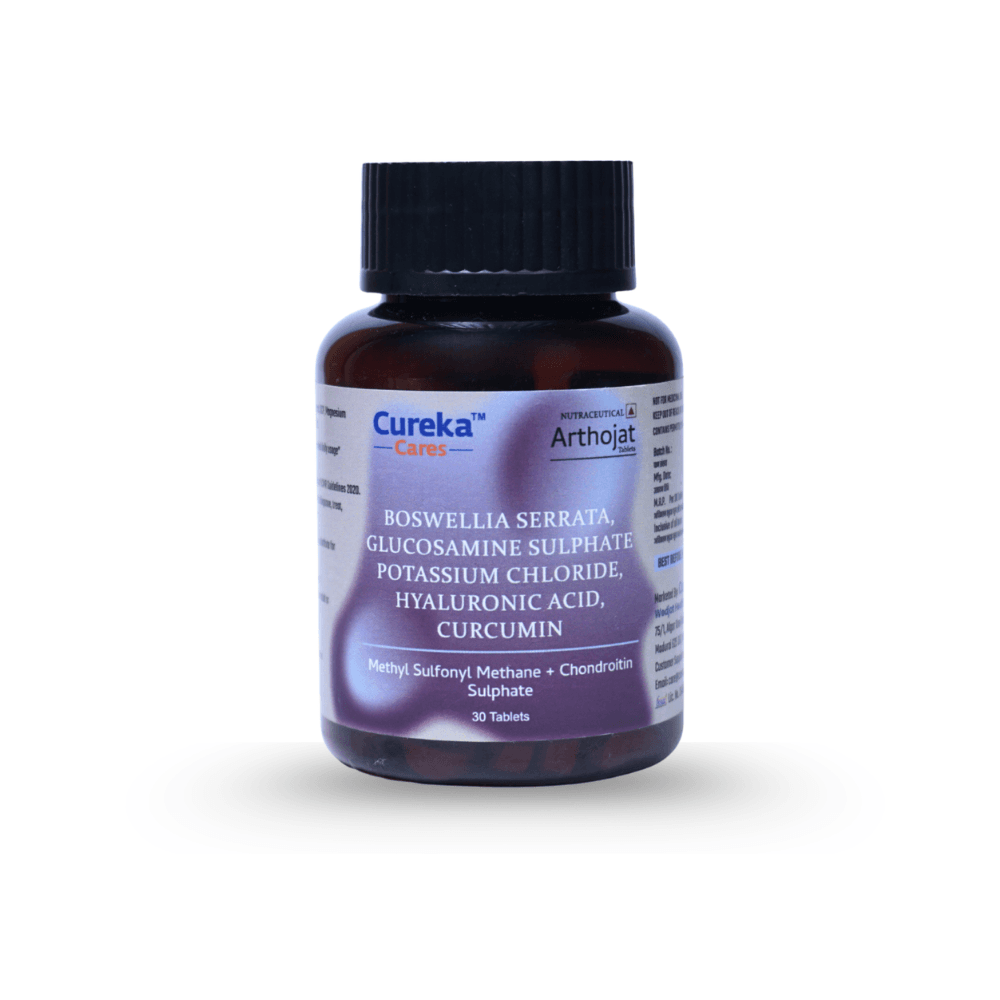
These are known for promoting cartilage health and reducing joint inflammation which is the key for healthy movement.
Boswellia Serrata & Curcumin
Powerful anti-inflammatory plant extracts. Curcumin (from turmeric) helps relieve joint pain, while Boswellia supports connective tissue [5].
L-Arginine & L-Lysine
These amino acids support bone and collagen synthesis and are often used in bone health supplements for structural support.
Calcium Citrate
A bioavailable form of calcium, ideal for those with lower stomach acid or absorption issues.
Should You Take Supplements for Bone and Joint Health?
Yes, if you're over 30 and not meeting your daily nutritional requirements, taking bone health supplements and joint health supplements can be a proactive step.
Look for products that combine:
Calcium tablets (preferably calcium citrate)
Vitamin D and magnesium
Collagen, glucosamine, and chondroitin
Anti-inflammatory ingredients like Boswellia and curcumin
Zinc, vitamin B6, and amino acids like L-arginine and L-lysine
These formulations support both bone density improvement and joint comfort, especially for individuals with active lifestyles or early signs of stiffness.
Conclusion
Start Early to Stay Strong
When it comes to bone health after 30, prevention is truly the best medicine. Whether you're exploring calcium tablets, choosing bone health supplements, or adding a joint health supplement to support mobility, Cureka is here to support you - small choices today lead to stronger bones and better quality of life tomorrow.
A proactive approach now will help you stay active, agile, and pain-free well into your 40s, 50s, and beyond.
References
1.The Effectiveness of Physical Exercise on Bone Density in Osteoporotic Patients
https://pubmed.ncbi.nlm.nih.gov/30671455/
2.Sleep Disruption and Bone Health
https://pubmed.ncbi.nlm.nih.gov/35488985/
3.Calcium and protein in bone health
https://pubmed.ncbi.nlm.nih.gov/14506898/
4.Effects of glucosamine, chondroitin, or placebo in patients with osteoarthritis of hip or knee: network meta-analysis
https://pubmed.ncbi.nlm.nih.gov/20847017/
5.Natural Products for Promoting Joint Health and Managing Osteoarthritis