


Many serious health conditions can develop without noticeable symptoms, making regular monitoring is crucial for early detection and prevention. Silent health risks often refer to conditions that may not present obvious symptoms, potentially leading to delayed diagnosis and treatment. Asymptomatic health conditions can pose significant health risks if left undetected. Regular health check-ups play a crucial role in identifying these conditions early on, allowing for timely interventions and better health outcomes.
In reality, your genetics, lifestyle, biomarkers, and personal risk factors may demand earlier, more frequent, or more customized monitoring than standard screening timelines allow.
Silent Health Risks are:
Hypertension: High blood pressure can lead to heart disease, stroke, and kidney damage without showing symptoms.
High Cholesterol: Elevated cholesterol levels can increase the risk of heart disease and stroke without visible signs. (3)
Diabetes: Type 2 diabetes can develop gradually, with few symptoms in the early stages.
Kidney Disease: Kidney damage can progress silently, leading to severe complications if left undetected.
What is Asymptomatic Health Conditions?
An asymptomatic health condition is when someone has a disease or illness, but doesn't experience any symptoms. This means they are infected or have the condition, but don't feel sick or notice any signs of it.
Many diseases and infections can be asymptomatic, including those that may be potentially fatal in some people. These include (but are not limited to): tuberculosis, breast cancer, endometriosis, HIV/AIDS, herpes, hepatitis, chlamydia, hypertension, common colds/flu, and type-2 diabetes mellitus. Many of these conditions remain largely asymptomatic until very advanced disease stages when they suddenly become symptomatic. Others can remain more or less asymptomatic throughout their disease course.
Asymptomatic Diseases
There are many diseases that can be asymptomatic, from certain cancers to ones that affect the bones and eyes. In addition to the conditions noted above, other conditions that can be present without symptoms include:
Hypertension
High Cholesterol
Diabetes
Kidney Disease
Tuberculosis
Health Risks without Monitoring:
Being asymptomatic is concerning because it means the individual won't get the treatment need at a time when a disease or condition may be most treatable and least likely to cause complications.
For example, if a person has high blood pressure, but no symptoms, he/she still needs treatment to avoid potential issues such as a stroke, kidney damage, and a heart attack. To identify asymptomatic diseases, regular health check-ups, screenings, and awareness of risk factors are crucial.
Hypertension:
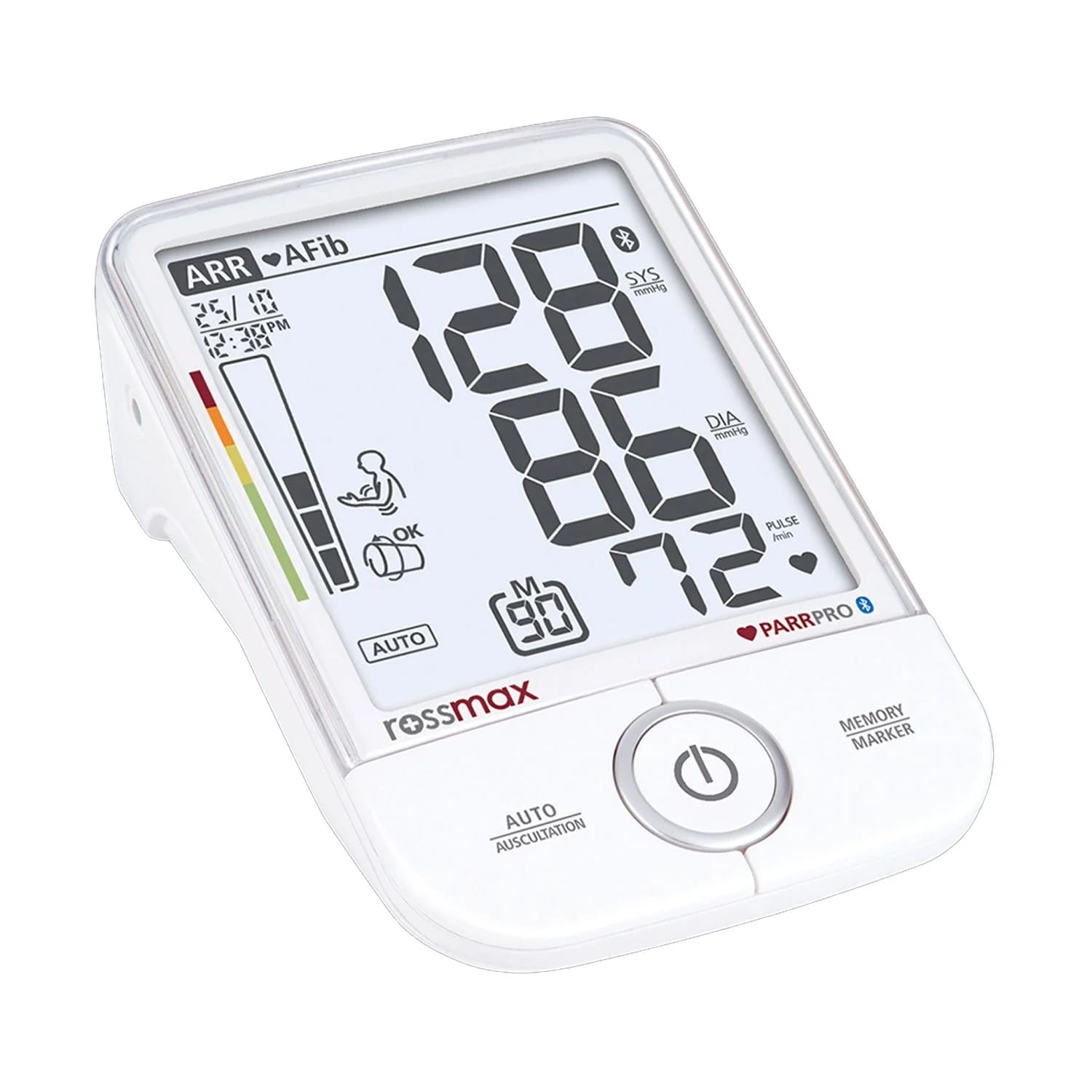
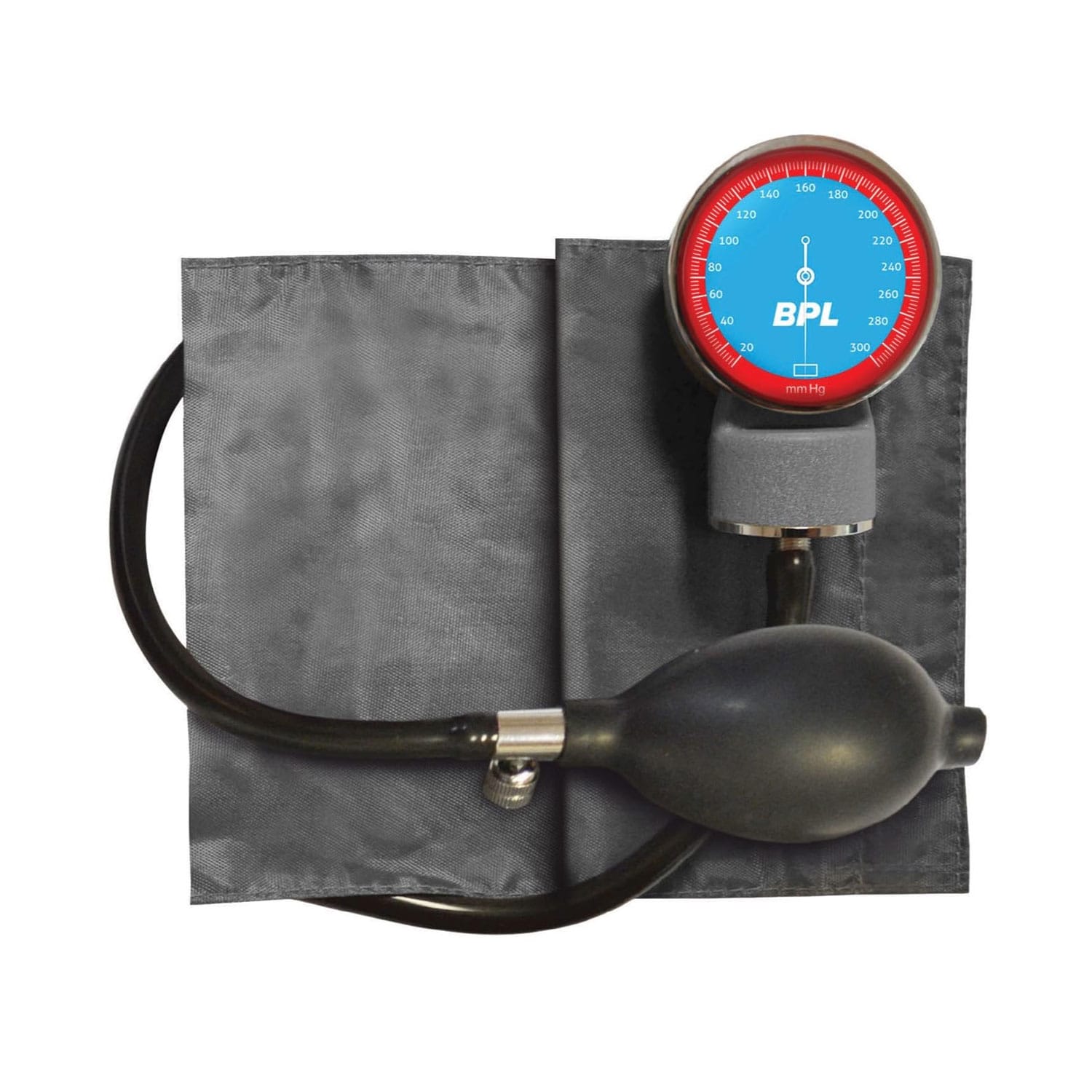
Asymptomatic hypertension refers to high blood pressure that develops without any noticeable symptoms. Many individuals may feel healthy and unaware that their blood pressure is elevated, allowing silent damage to occur in the heart, blood vessels, kidneys, and eyes over time. Because there are no warning signs, the condition often goes undiagnosed until complications such as heart disease or stroke arise. Regular blood pressure checks are the only reliable way to detect it early. Timely diagnosis and management through lifestyle changes and medication can prevent serious long-term health consequences.
High Cholesterol:
Asymptomatic high cholesterol occurs when cholesterol levels in the blood are elevated but cause no visible signs or symptoms. Despite the absence of discomfort, excess cholesterol can silently build up in the arteries, leading to plaque formation and narrowing of blood vessels. Over time, this increases the risk of heart disease, stroke, and other cardiovascular complications. Because it develops quietly, many individuals remain unaware of the condition until serious complications arise.
Type 2 diabetes:
Asymptomatic diabetes is often associated with type 2 diabetes, which can develop gradually over time.
Asymptomatic diabetes is also linked to an increased risk of cardiovascular disease, even before overt diabetes is diagnosed. It can damage blood vessels, nerves, and other vital organs, thereby increasing the risk of cardiovascular diseases, kidney problems, eye damage, and other related complications. It's important to find asymptomatic diabetes early to prevent the related health consequences.
Cancer:
If, unfortunately, one is developing lung cancer, it may take years before any symptoms are observed. A person can remain asymptomatic even as the cancer grows and spreads rapidly within the body. Often, the disease is not detected until its later stages — which is usually the case — even though it is most treatable when diagnosed early, such as in stage 1.
This silent progression is not unique to lung cancer. Cervical cancer, colon cancer, and several other types can also develop without obvious signs in their early phases. Regular screening and preventive health check-ups are therefore crucial, as they allow for early detection when treatment outcomes are most favourable. Ultimately, awareness, timely diagnosis, and proactive healthcare can make a life-saving difference.
How often should one go for a Full Body Check-up?
The frequency of health check-ups depends on various factors, including age, gender, family medical history, and existing health conditions. Here is a general guideline:
Young Adults (18-30 years): An annual check-up is typically sufficient for individuals in good health.
Adults (30-50 years): Consider an annual or biennial check-up to monitor changes as you age and manage emerging risk factors.
Seniors (50+ years): Annual check-ups become increasingly important to detect age-related conditions and diseases.
Individuals with specific health concerns or chronic conditions may require more frequent check-ups as advised by their healthcare providers.
Conclusion:
Regular health check-ups are crucial for maintaining overall well-being by enabling early detection of potential health issues, allowing for timely intervention and potentially preventing the development of serious conditions. They also offer valuable opportunities for preventive care, including vaccinations and lifestyle advice, which can significantly reduce the risk of future health problems.
Health check-up involves various tests to assess the function of your organs, blood counts, blood chemistry, hormone levels, and more. This proactive approach can help detect diseases or risk factors early, allowing for timely intervention and management.
References:
Alpha-Lipoic Acid: Taking ALA supplements in diabetes treatment help decrease fasting blood sugar and A1C – 2023 Dec - https://pubmed.ncbi.nlm.nih.gov/34939534/
Cinnamon: Cinnamons can help your body better respond to insulin, which in turn may help lower blood sugar and improve diabetes control – 2010 May - https://pmc.ncbi.nlm.nih.gov/articles/PMC2901047/
High Cholesterol: Elevated cholesterol levels can increase the risk of heart disease and stroke without visible signs – 2021 July - https://pmc.ncbi.nlm.nih.gov/articles/PMC8363437/