


In a world where health issues are often silent and sneaky, staying one step ahead isn’t a luxury - it’s a necessity. From seemingly fit individuals discovering hypertension to young professionals facing prediabetes due to poor sleep and stress, the signs are rarely loud until it’s too late.
The good news? With a few simple home health monitoring devices and 5 minutes a day, you can monitor vital health signs that speak volumes about your body’s inner workings. This is not about over-checking, it's about smarter living.
Let’s discuss the top 7 health metrics you should be tracking regularly, even if you’re not diagnosed with any condition yet.
1. Blood Pressure: The Silent Pressure You Don’t Feel
We often associate blood pressure monitoring with age or illness. But stress, poor sleep, overuse of caffeine, and even long hours at your desk can push numbers up without symptoms.
Why monitor it?
Fluctuations can be early warning signs for heart disease or kidney issues—even if you “feel fine.”
Track it with: A digital upper-arm blood pressure monitor. Measure at rest, same time daily.
Healthy range: < 120/80 mmHg
2. Blood Sugar: The Unexpected Spike from Modern Diets
You don’t need to be diabetic to benefit from glucose tracking. High refined carbs, lack of sleep, or skipped meals can cause unhealthy sugar spikes
But, if you are diagnosed with diabetes, glucose monitoring at home is a must-do practice.
Why monitor it?
Unstable sugar levels = fatigue, mood swings, weight issues, and future diabetes risk.
Track it with: Glucose monitoring at home is easy with a glucometer. Monitor fasting and post-meal occasionally, especially if you’ve family history.
Ideal (non-diabetic):
Fasting: 70–99 mg/dL | Post-meal: < 140 mg/dL
3. Body Temperature: Not Just for Fever Anymore
Temperature tells more than infection stories. It also reflects inflammation, immune response, and hormonal rhythms, especially in women tracking ovulation or chronic fatigue issues [2].
Why monitor it?
Small shifts could help you catch illnesses early or spot stress-related immune changes.
Track it with: A digital or infrared thermometer.
Normal: 97°F – 99°F (36.1°C – 37.2°C)
4. Heart Rate: Your Internal Speedometer
Your resting heart rate is a mirror of your lifestyle. Elevated rates could mean stress overload, poor fitness, or even early thyroid issues.
Why monitor it?
Changes can indicate burnout, illness, or cardiovascular strain—before symptoms show.
Track it with: A fitness tracker or pulse check at rest.
Resting range: 60–100 bpm (lower in athletes or regular exercisers)
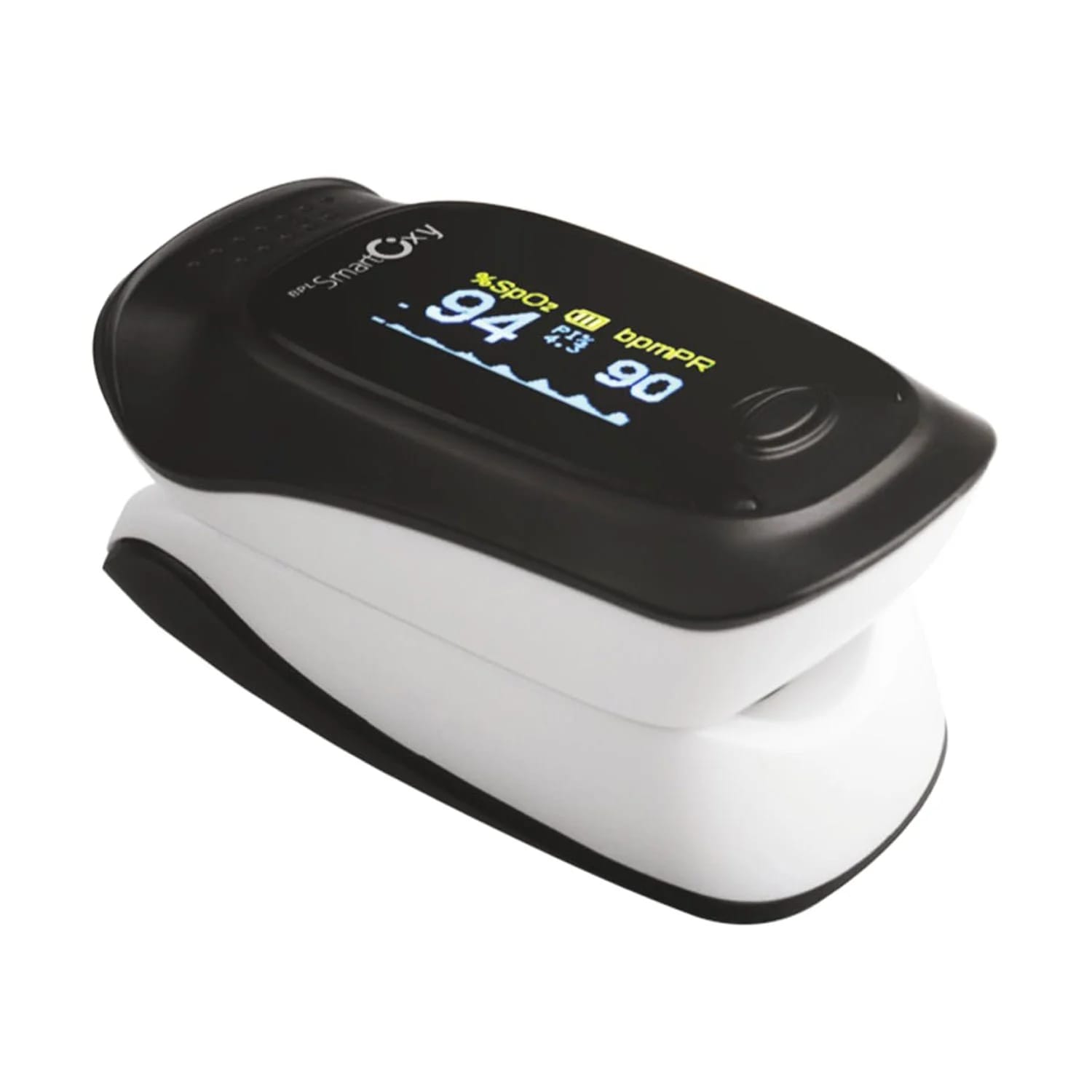
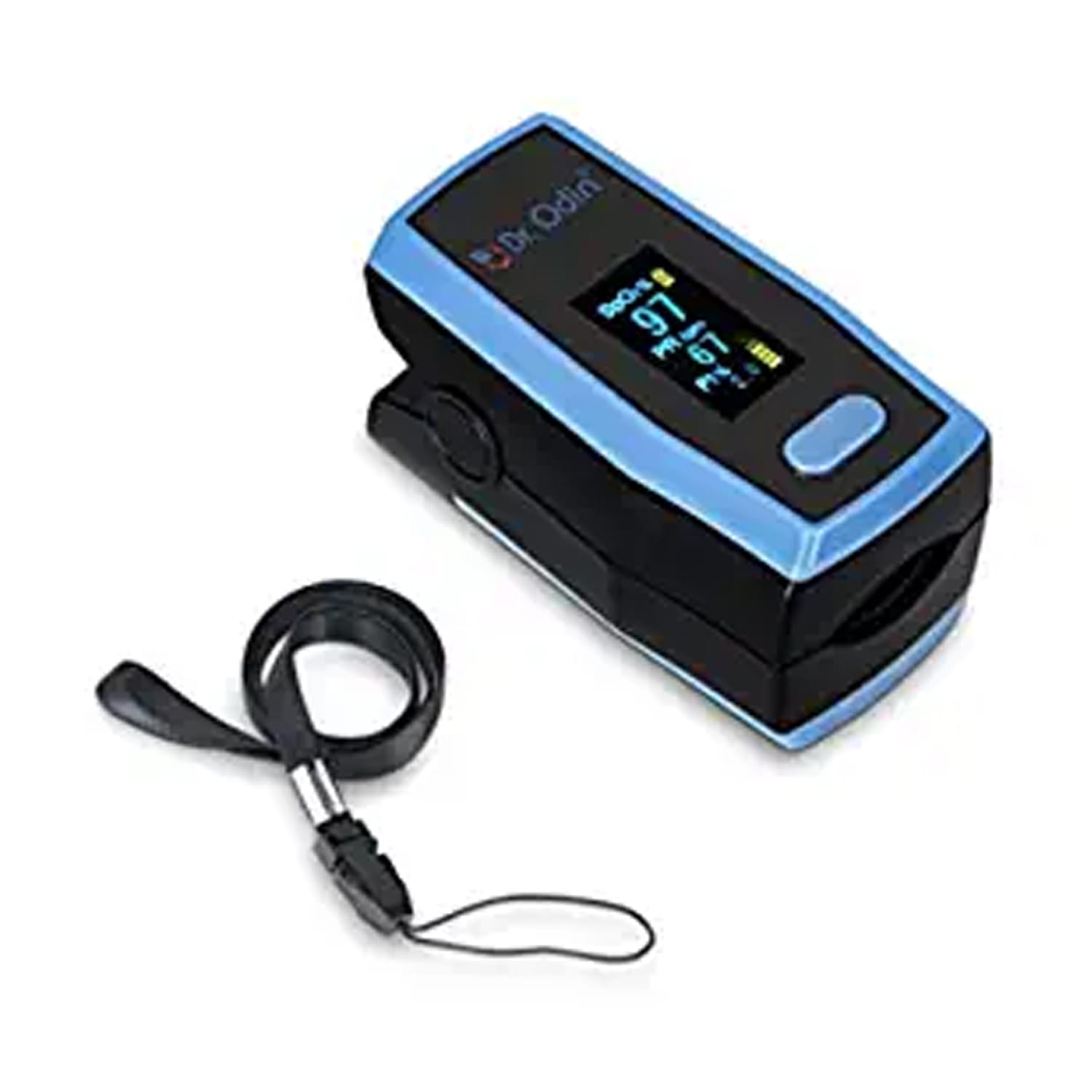
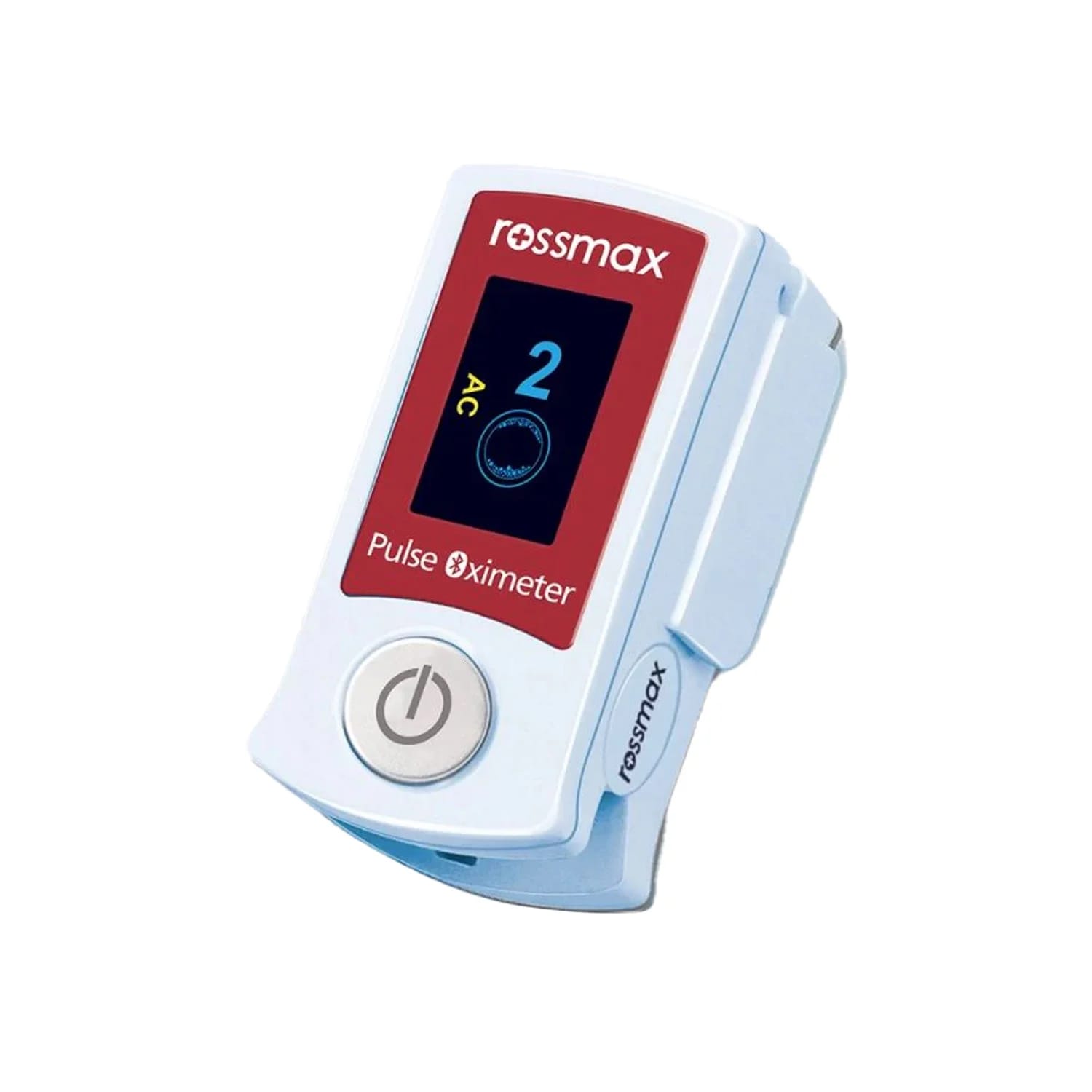
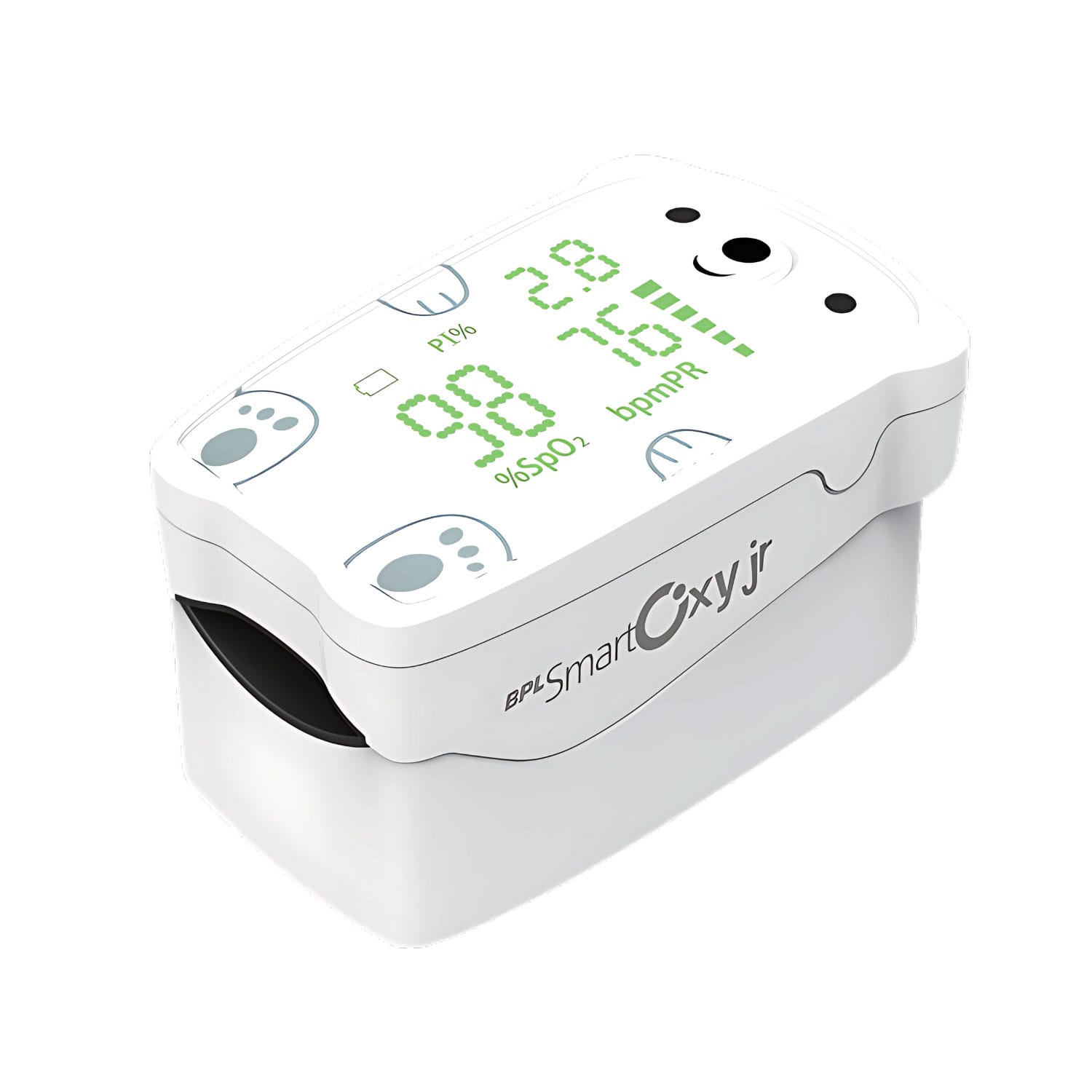
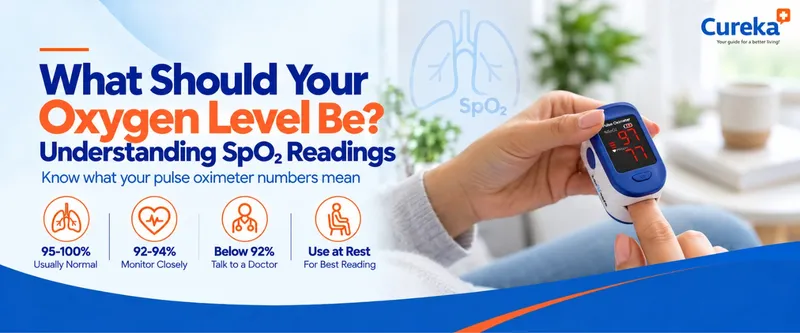
5. Oxygen Saturation (SpO₂): The Underrated Respiratory Marker
Whether you’re recovering from an illness, dealing with allergies, or feeling unexplained fatigue, checking oxygen levels can give quick clarity.
Why monitor it?
Low oxygen can affect energy, cognition, and even sleep quality—especially post-COVID.
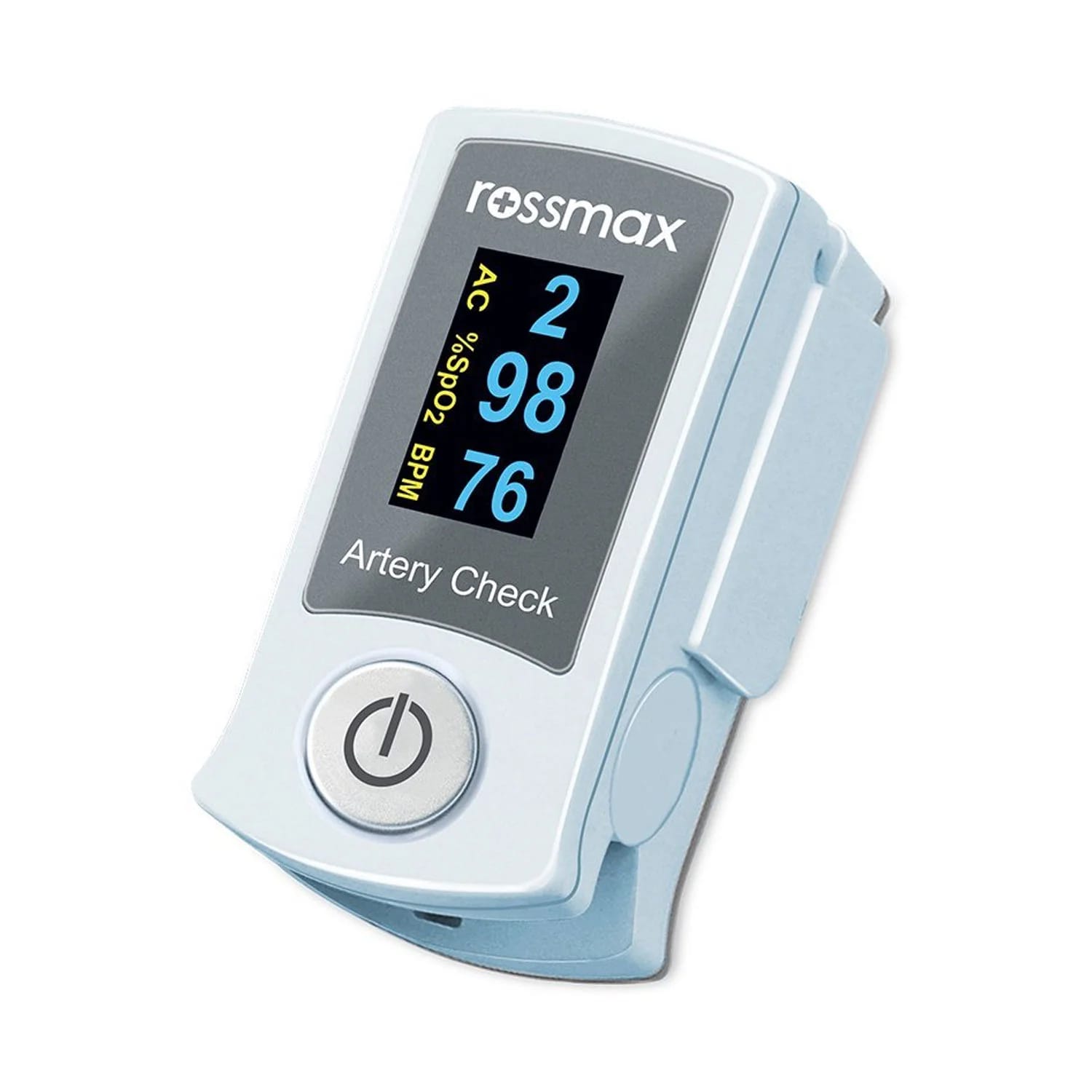
Track it with: A fingertip pulse oximeter.
Ideal: 95%–100% | Below 92%? Consult a doctor.
6. Weight & Waist: Not Just a Scale Number
Weight tracking isn’t about obsession - it’s about patterns. Gradual gain or loss often reflects hormonal changes, inflammation, gut health, or fluid retention.
Why monitor it?
Unexplained changes = early red flags for thyroid, PCOS, or heart health.
Track it with: A digital scale. Also, track waist circumference for better metabolic insights.
Pro tip: Daily weighing is unnecessary, weekly under similar conditions works best.
7. Sleep Quality: Your Daily Health Recharge
Your sleep data reflects everything; stress, diet, screen use, mental health, and even inflammation.
Why monitor it?
Chronic sleep deficits are linked to diabetes, memory decline, weight gain, and more [3].
Track it with: A smart wearable or sleep app tracking sleep stages.
Healthy sleep: 7–9 hours with good deep sleep percentage
The Real Takeaway: Prevention Beats Cure
Home health monitoring isn't about paranoia - it's about being informed, prepared, and in charge. You don’t need 10 devices or medical training. Just a few smart home health monitoring devices and the willingness to check in with your body regularly.
When something feels off, your data can guide your doctor better. When everything feels fine, it keeps you there longer.
Ready to Take Charge?
Explore a wide range of doctor-trusted, easy-to-use home monitoring devices at [Cureka.com] — from blood pressure monitors and glucometers to sleep trackers and oximeters. Invest once, and gain lifelong insights into your health.
Your body gives you signs. It’s time to start listening.
References
Examining Daily Associations Among Sleep, Stress, and Blood Pressure Across Adulthood
https://pubmed.ncbi.nlm.nih.gov/36680526/
Temperature and adaptive immunity
https://pubmed.ncbi.nlm.nih.gov/30454603/
Type 1 Diabetes, Sleep, and Hypoglycemia